Office profile
Nintendo Headquarters & offices · Kyoto, Japan
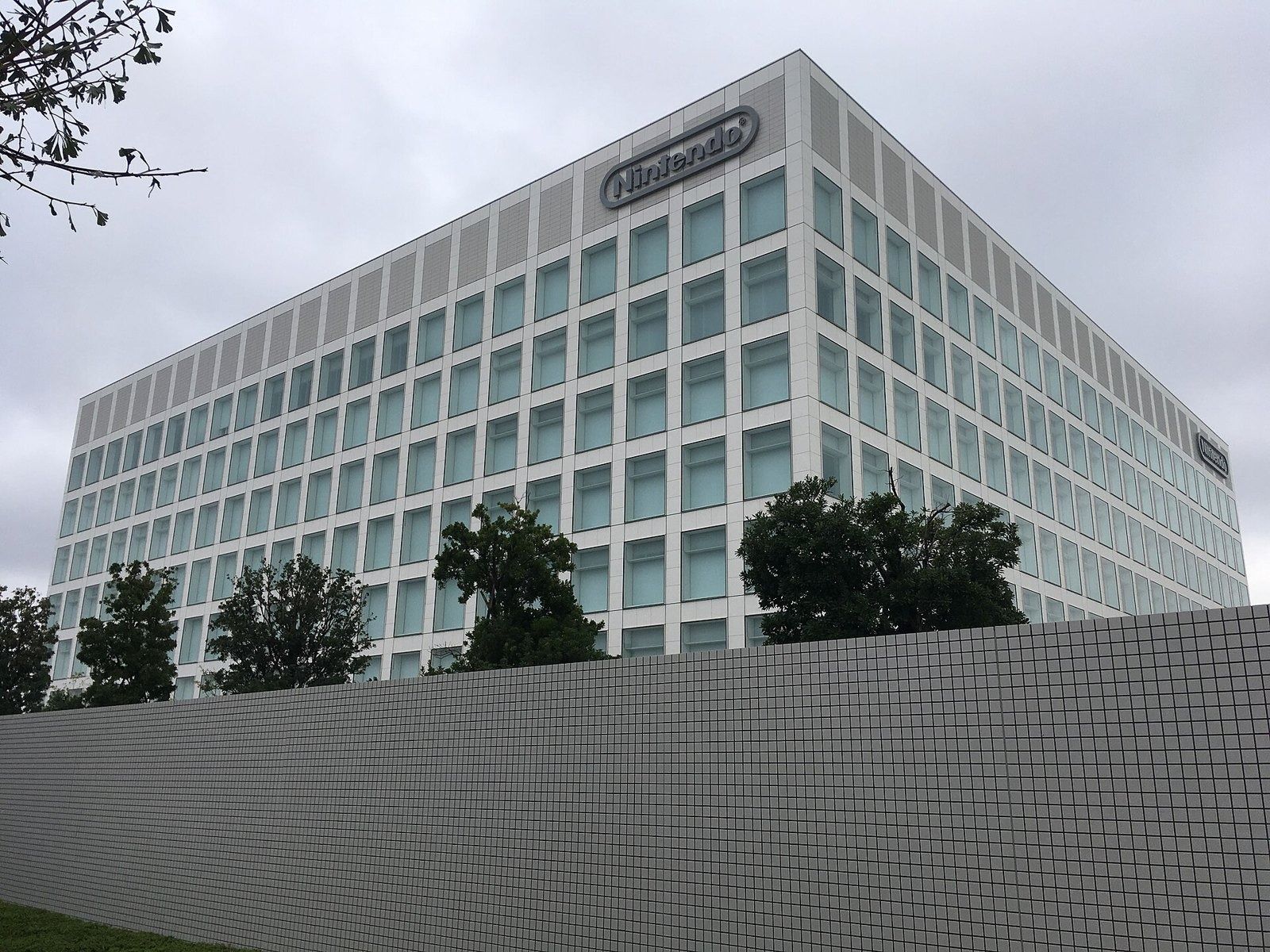
Nintendo · Kyoto, Japan
137 years in Kyoto, and people stay: in Japan only 2.3% of Nintendo's staff left last year, after 14.6 years on average.
From a hanafuda card shop in 1889 to the Kamitoba headquarters, a new development center and the Nintendo Museum — then the work rules, the people and the business. Every number from Nintendo's own annual report, sustainability data and corporate pages.
- 2.3%turnover, Nintendo Co., Ltd., FY ended Mar 2026
- 14.6 yrsaverage length of service
- 10:00–15:00flextime core hours in Japan
- 8,666people worldwide (March 2026)
Sources: Nintendo ESG data sheet (FY ended Mar 2026) · Sustainability report, Employees · Company Profile (nintendo.co.jp) · Annual Report 2026
Companies / Japan / Video games & entertainment / Nintendo
THE HEADQUARTERS · KAMITOBA, MINAMI-KU · 2000
A Kyoto headquarters for 2,743 people — with a ¥121 billion development center on the way
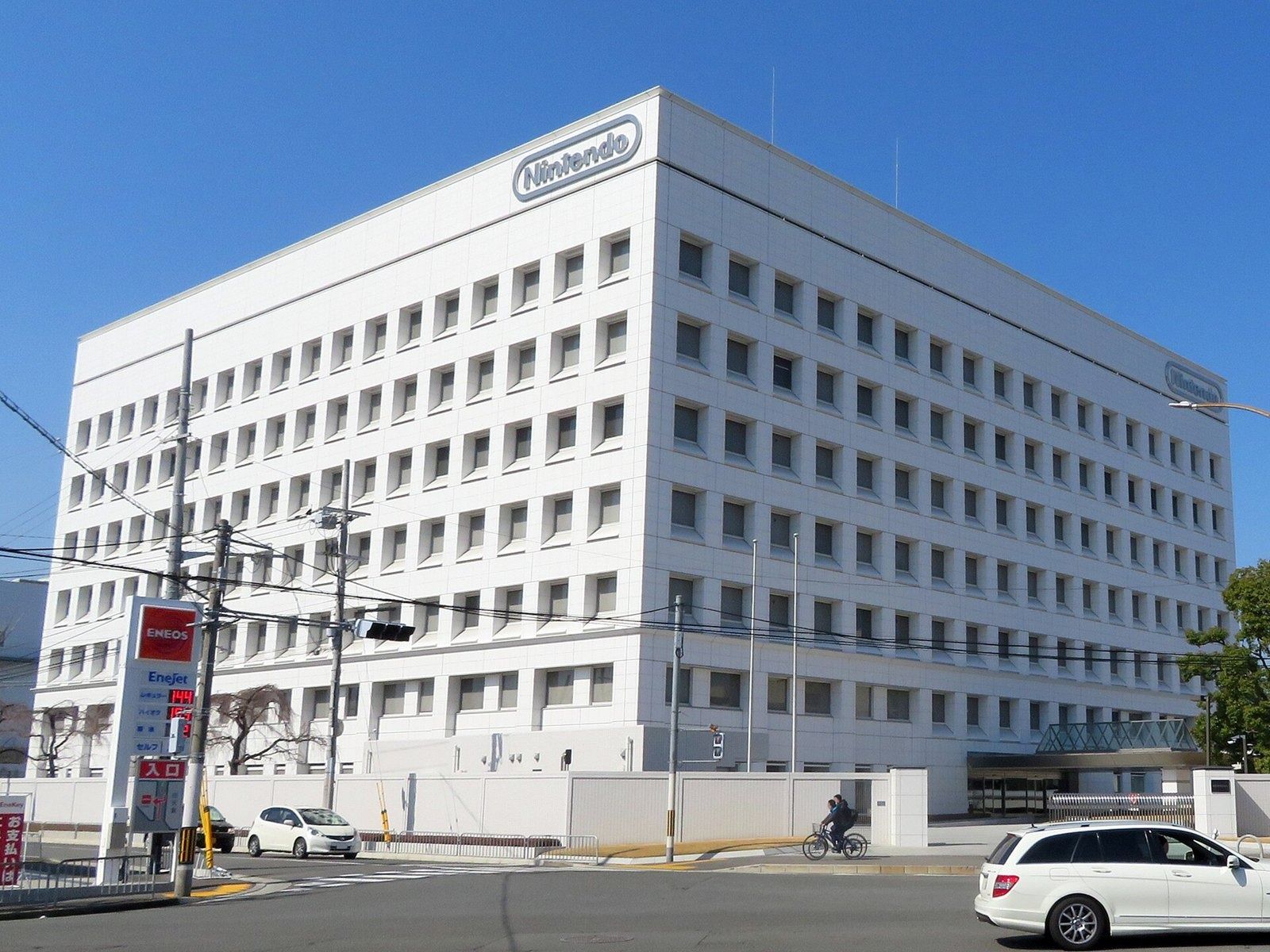
Nintendo moved its headquarters to Kamitoba in Kyoto's Minami-ku in November 2000. The site covers about 67,000 m² of land, and 2,743 people work there. A Development Center stands just to the north, and Nintendo is now building a Technology Development Center (December 2025 – March 2029) plus new R&D facilities. In Japan, the working day runs on flextime around core hours of 10:00–15:00.
- Since November 2000
- ≈ 67,000 m² site (≈ 721,000 sq ft)
- 2,743 people at HQ
- Development Center next door
- New tech center: ¥121B, to 2029
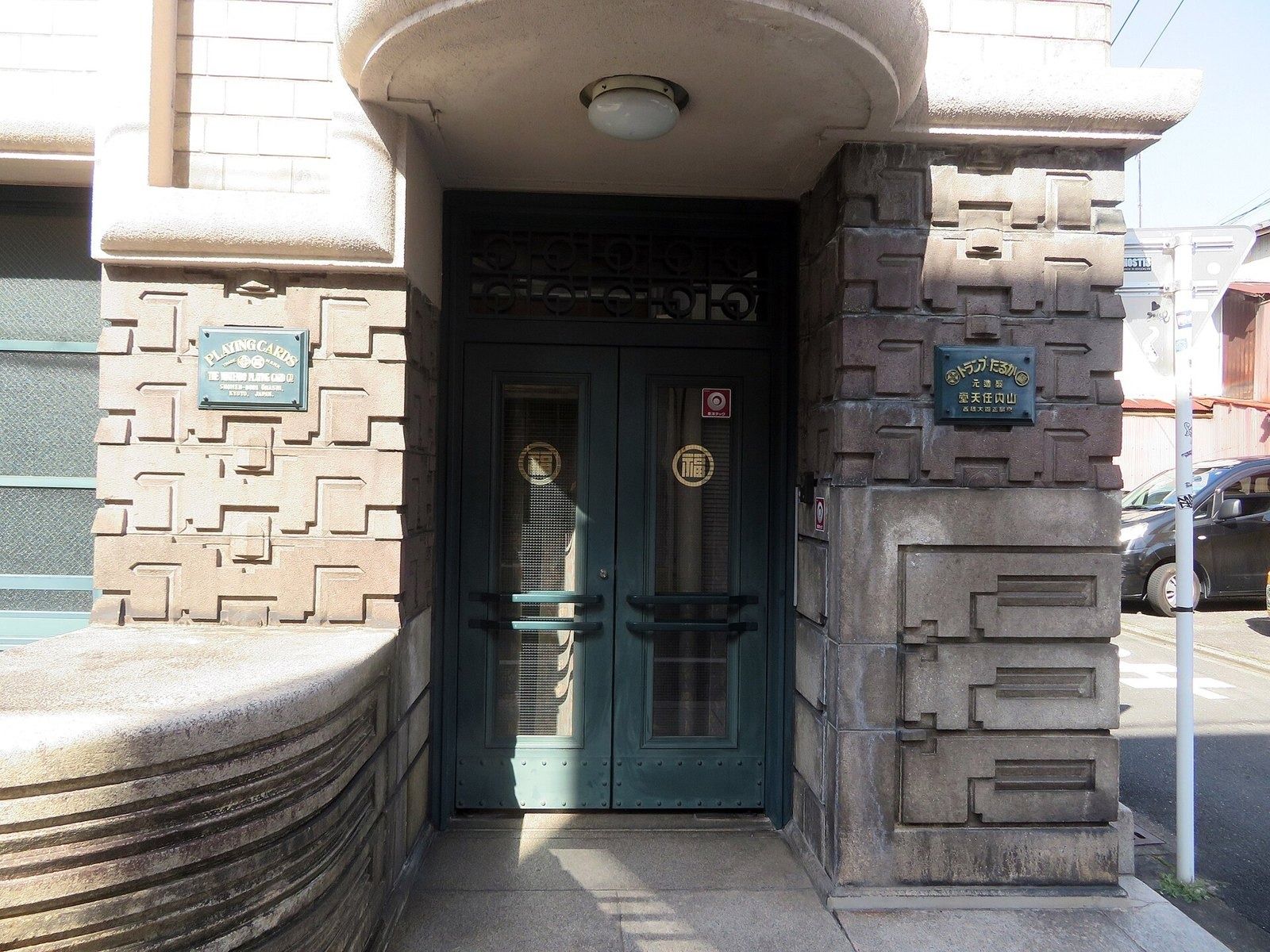
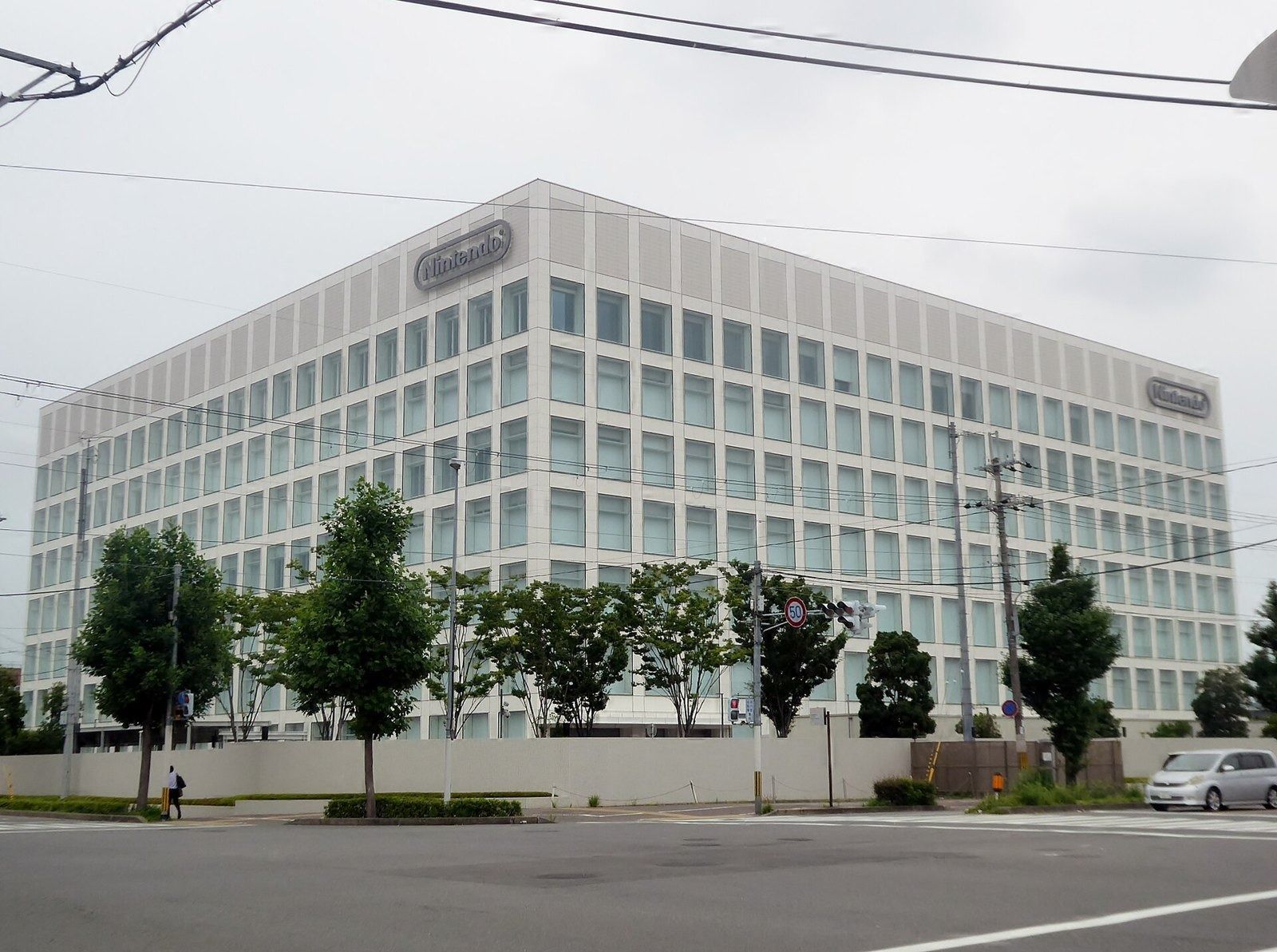
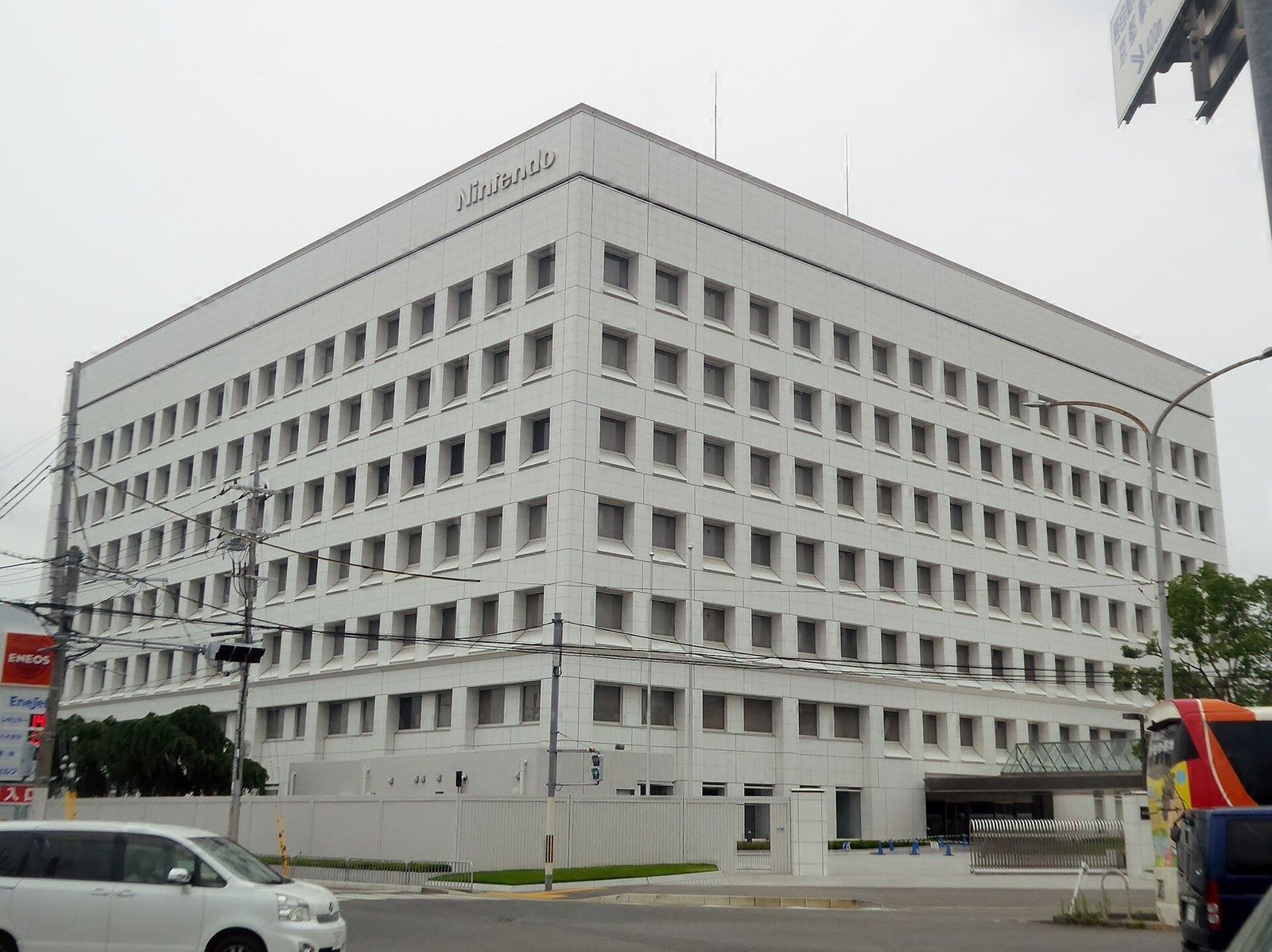
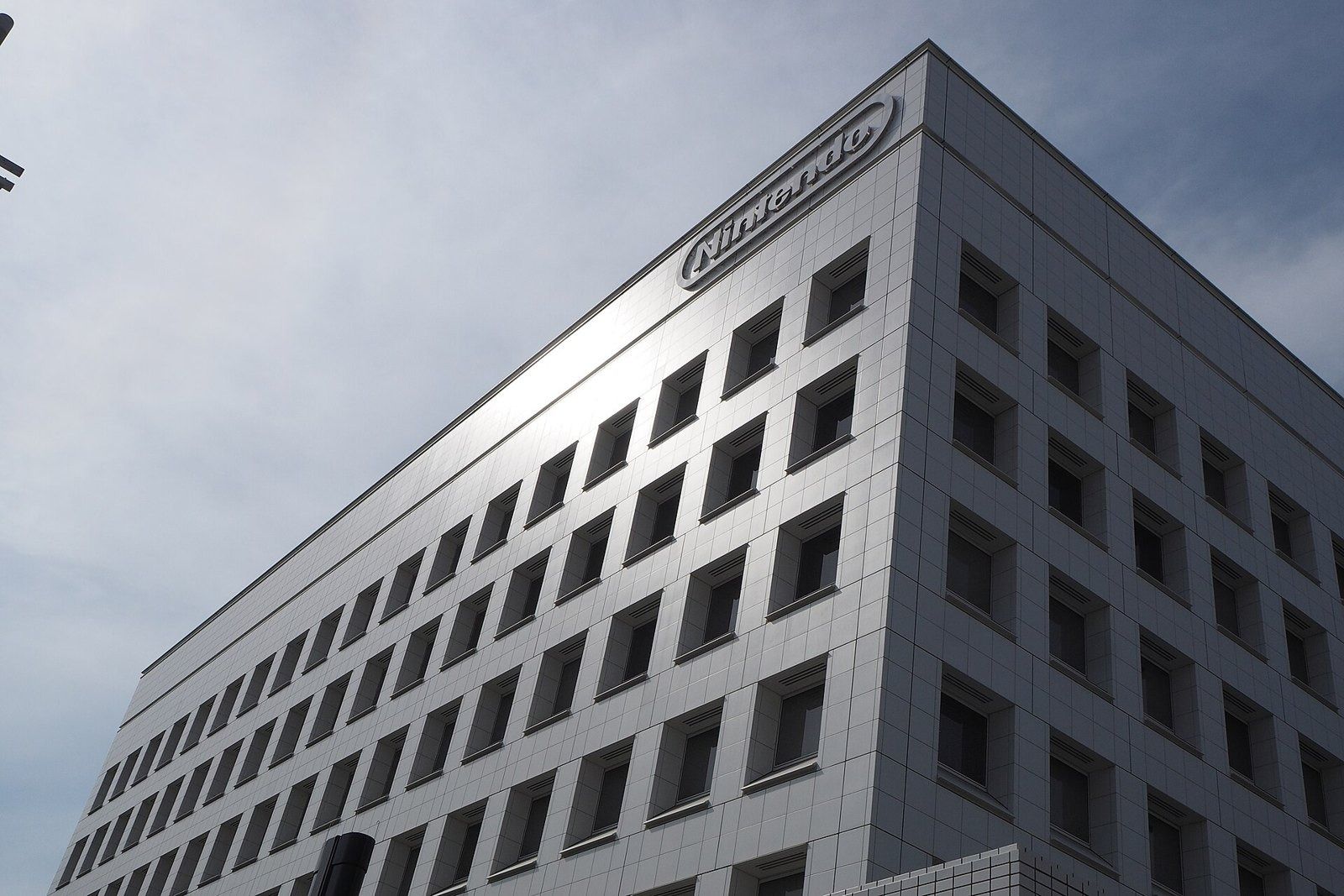
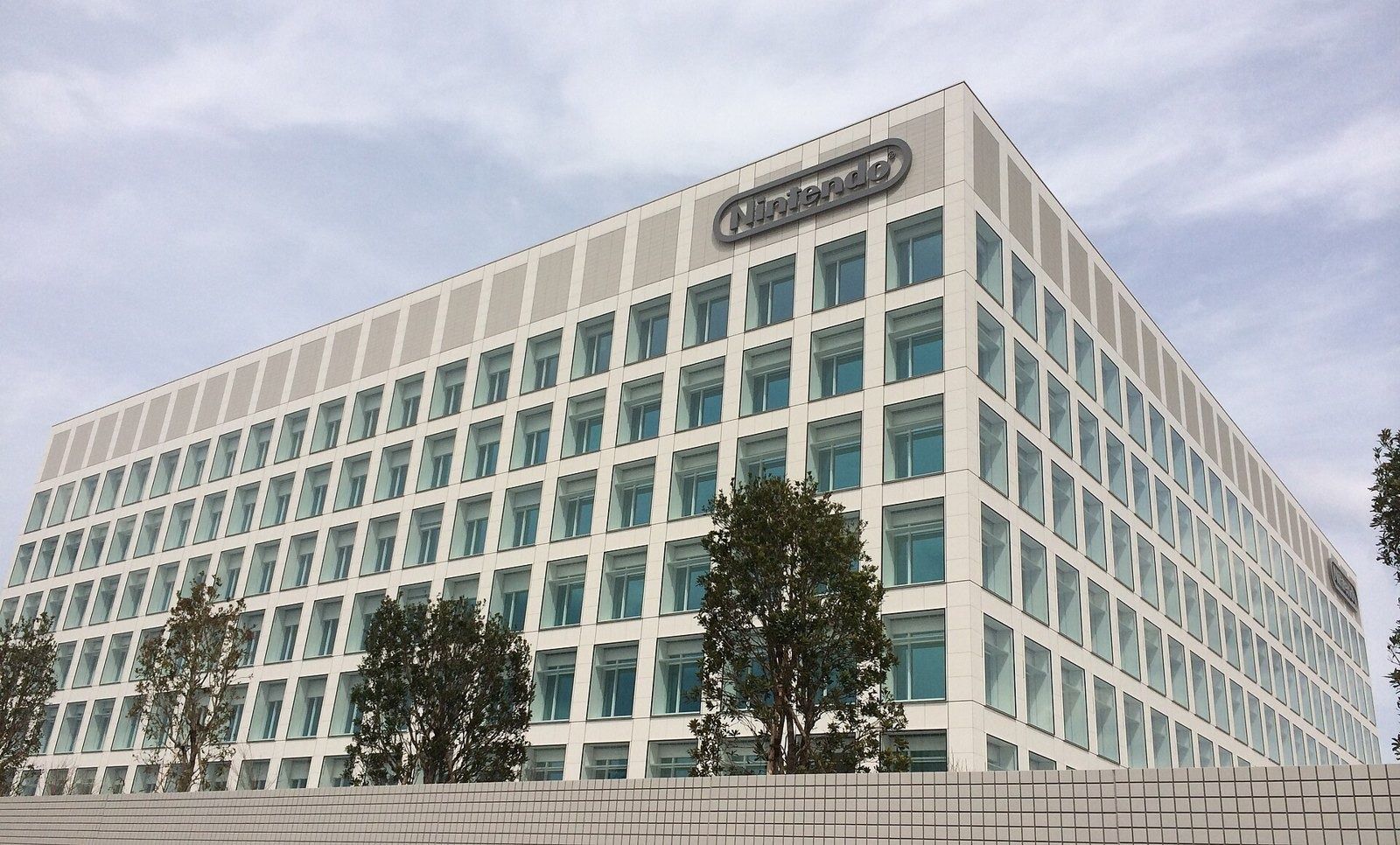
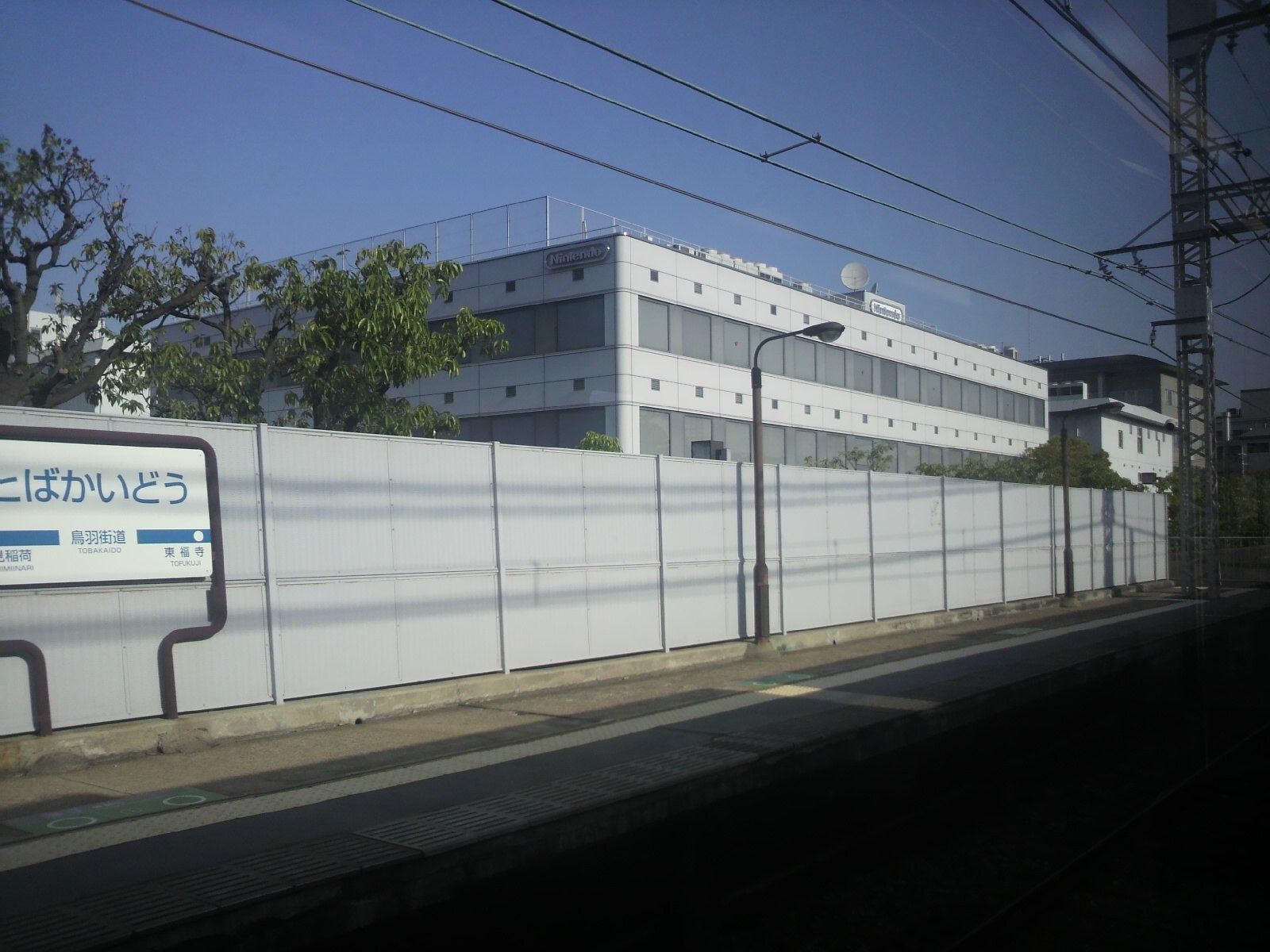
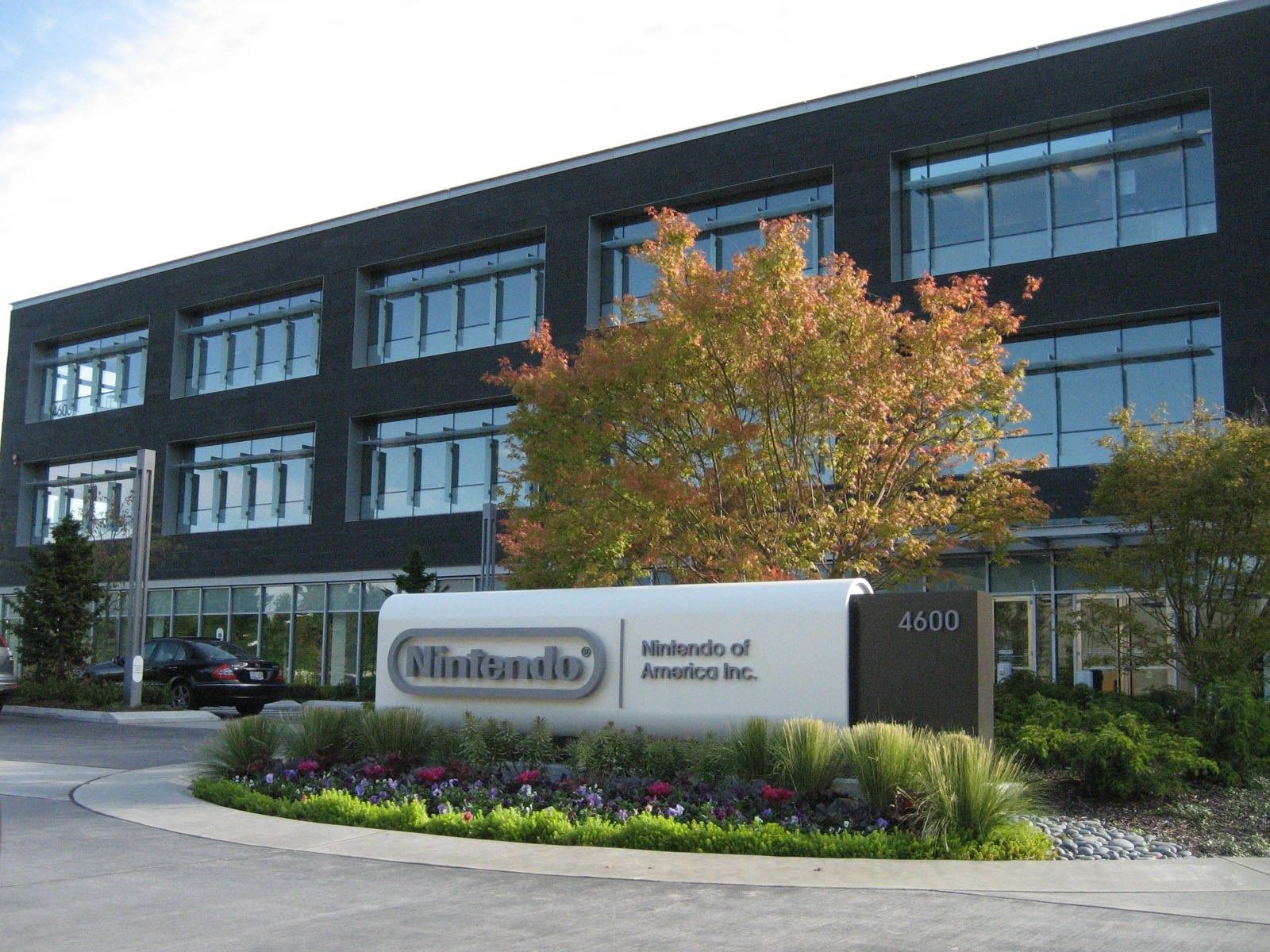
Facts: Annual Report 2026, III. Equipment and Facilities · Company History · Principal Offices and Facilities (nintendo.co.jp) · Sustainability report, Employees. Nintendo does not publish an architect or floor area for the headquarters.
Kyoto, Uji and Tokyo
| Building | Address |
|---|---|
| Corporate Headquarters | 11-1 Hokotate-cho, Kamitoba, Minami-ku, Kyoto 601-8501 |
| Development Center | 2-1 Minamimatsuda-cho, Higashikujo, Minami-ku, Kyoto 601-8502 |
| Uji Plant | 92-15 Emba, Makishima-cho, Uji City, Kyoto 611-0041 |
| Nintendo Museum | Uji City, Kyoto Prefecture |
| Tokyo Branch Office | KANDA SQUARE 5F, 2-2-1 Kanda-Nishikicho, Chiyoda-ku, Tokyo 101-0054 |
Source: Principal Offices and Facilities (nintendo.co.jp) · Annual Report 2026, Major facilities (Nintendo Museum) · See them on the map ↓
Source: Annual Report 2026, III. Equipment and Facilities (land areas, headcount, planned investment) · Company History. Building floor areas and architects are not published.
Benefits (Japan, plus the U.S.)
Employees in Japan set their own start and end times around the core hours — used for calls with overseas offices or school pick-ups.
Almost all regular employees aged 50 and over can choose a four-day week or shorter days.
At least 9 hours must pass between the end of one workday and the start of the next.
Share of paid leave days actually taken in Japan, FY ended Mar 2026.
Take-up rate in Japan, FY ended Mar 2026; the target from now on is 80% or more for men and effectively 100% for women.
Industrial physicians and public health nurses, open to all employees in Japan; plus disability insurance (GLTD) to age 65.
Nintendo of America subsidizes up to 15 days a year when regular child care falls through, and pays for a sitter-finding service.
Free in-person or online counseling for all Nintendo of America employees, plus a health center.
Source: Nintendo Sustainability report, Employees (topics) · ESG data sheet, FY ended Mar 2026
Why so few people leave: what Nintendo itself reports
About 2 in every 100 regular employees of Nintendo Co., Ltd. left in the year to March 2026 (men 2.4%, women 2.2%).
Men 15.4 years, women 12.3 years, at Nintendo Co., Ltd.
Share of employees in Japan who stayed on after returning from childcare leave; returners get a career interview with their manager.
Almost all regular employees aged 50 and over can choose a four-day week or shorter daily hours.
Each year employees can submit proposals during reviews; the president reads every one, and some have been adopted. He also posts a message on the intranet about once a month.
In the U.S., Europe and Australia, open jobs are posted internally first so employees can apply.
Source: Nintendo ESG data sheet (FY ended Mar 2026) · Sustainability report, Employees (topics)
Who works here
average age in Japan (March 2025)
new hires in Japan, FY ended Mar 2026
of managers are women (March 2025)
people at the Kyoto headquarters
Source: Company Profile · ESG data sheet (FY ended Mar 2026) · Annual Report 2026 and 2025. “Other group companies” calculated by eciffo.
Pay at Nintendo
An average, not a median: Japanese companies report average pay in their annual securities report. About $64,874 at the rate Nintendo itself states. Average age 40.2, average service 14.4 years.
Source: Annual Report 2025 (fiscal year ended March 31, 2025), Employees
Nintendo publishes the average age and the average salary, but not pay by age.
Compare Nintendo with: Sony Group
Office history: 137 years without leaving Kyoto
- 1889 A hanafuda card shop in Shimogyo-ku
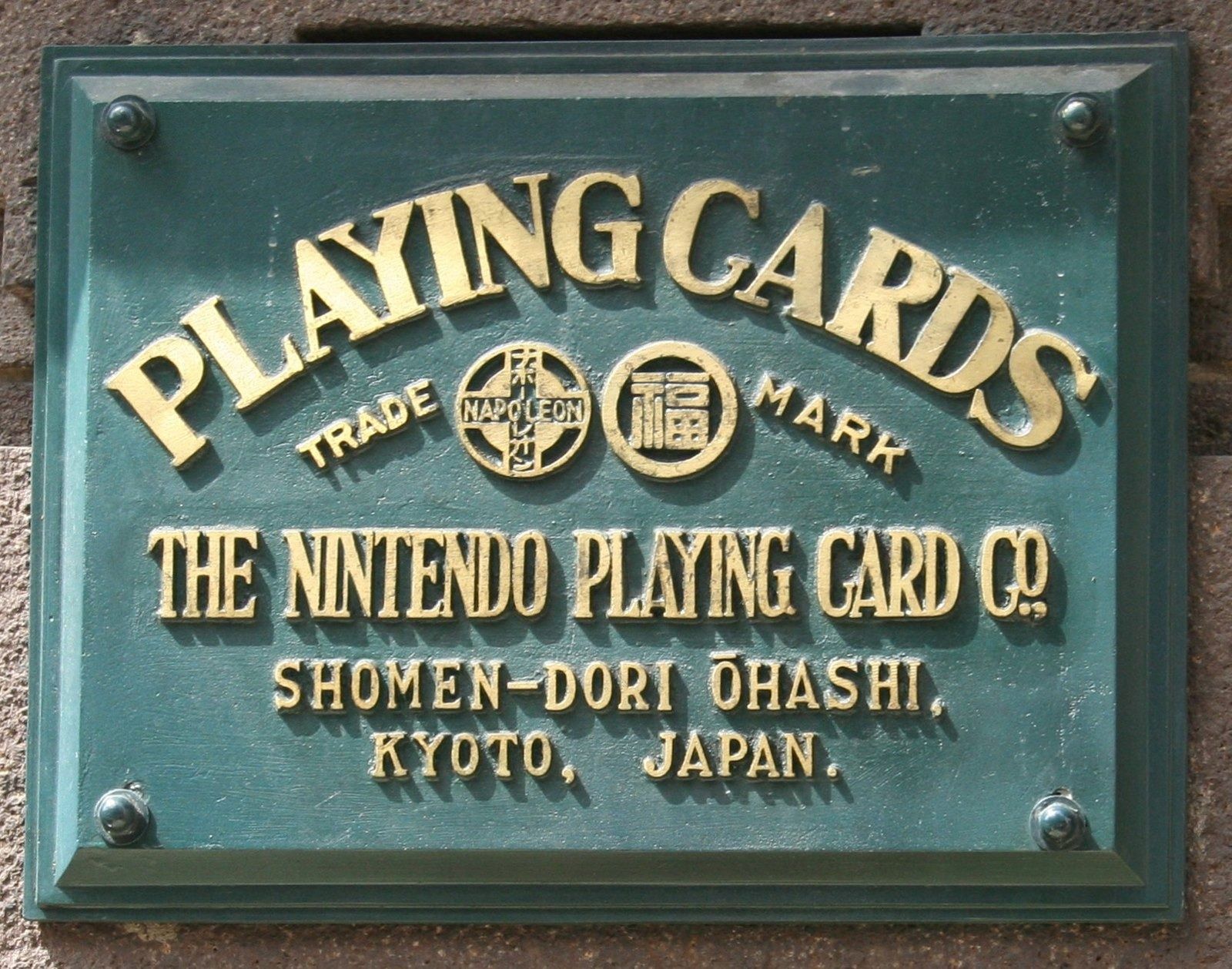
Fusajiro Yamauchi began making hanafuda (flower cards) in Shimogyo-ku, Kyoto, in September 1889. From 1902 the company also made Western-style playing cards.
Source: Nintendo Company History and Company Profile (nintendo.co.jp)
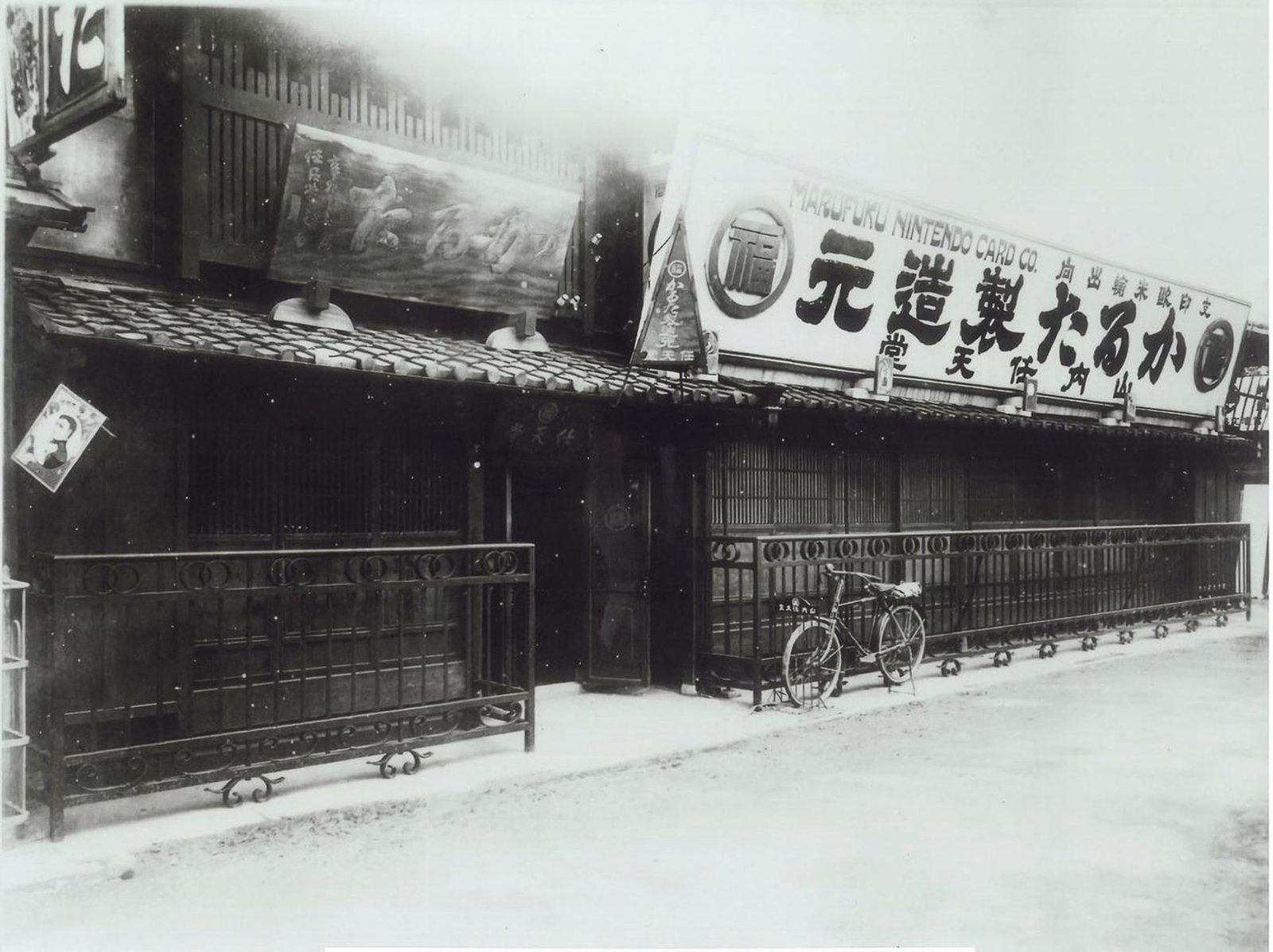
The first shop, 1889 · Haiko Honten Co., Ltd. License / Public domain · Wikimedia Commons - 1933 Yamauchi Nintendo & Co. and a new building
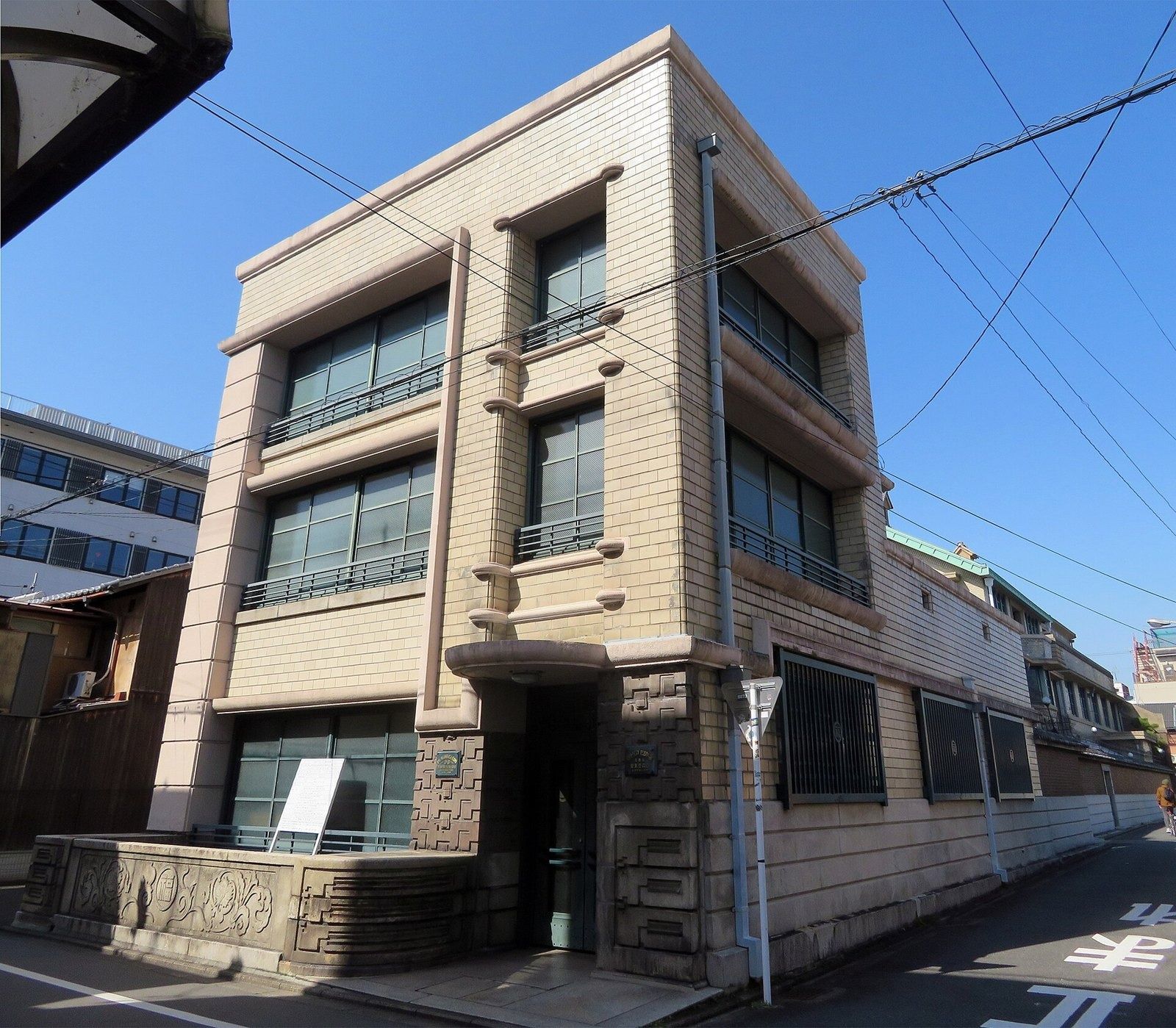
The business became an unlimited partnership, Yamauchi Nintendo & Co., and built a new headquarters next to the original shop, still in Shimogyo-ku. It served as the head office until 1959.
Source: Nintendo of Europe, Nintendo History · building and years confirmed on Wikipedia (“Nintendo”)
The 1933 building · Tokumeigakarinoaoshima / CC BY-SA 4.0 · Wikimedia Commons - 1952–59 Fukuine, Higashiyama-ku
Marufuku Co., Ltd., Nintendo's predecessor, was set up in Higashiyama-ku in 1947. In 1952 Nintendo gathered its scattered Kyoto factories in Kamitakamatsu-cho, Fukuine, and in September 1959 moved the headquarters to 60 Kamitakamatsu-cho.
Source: Nintendo Company History · Annual Report 2026, History
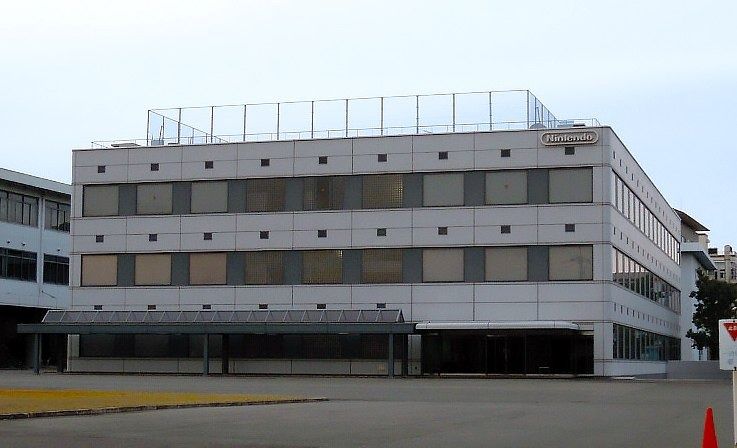
Nintendo's former headquarters in Higashiyama, now the Kyoto Research Center · DVMG / CC BY 3.0 · Wikimedia Commons - 1983 A new plant in Uji
Nintendo opened a new plant in Makishima-cho, Uji City, south of Kyoto — today's Uji Plant, with about 25,000 m² of land and 145 employees.
Source: Nintendo Company History · Annual Report 2026
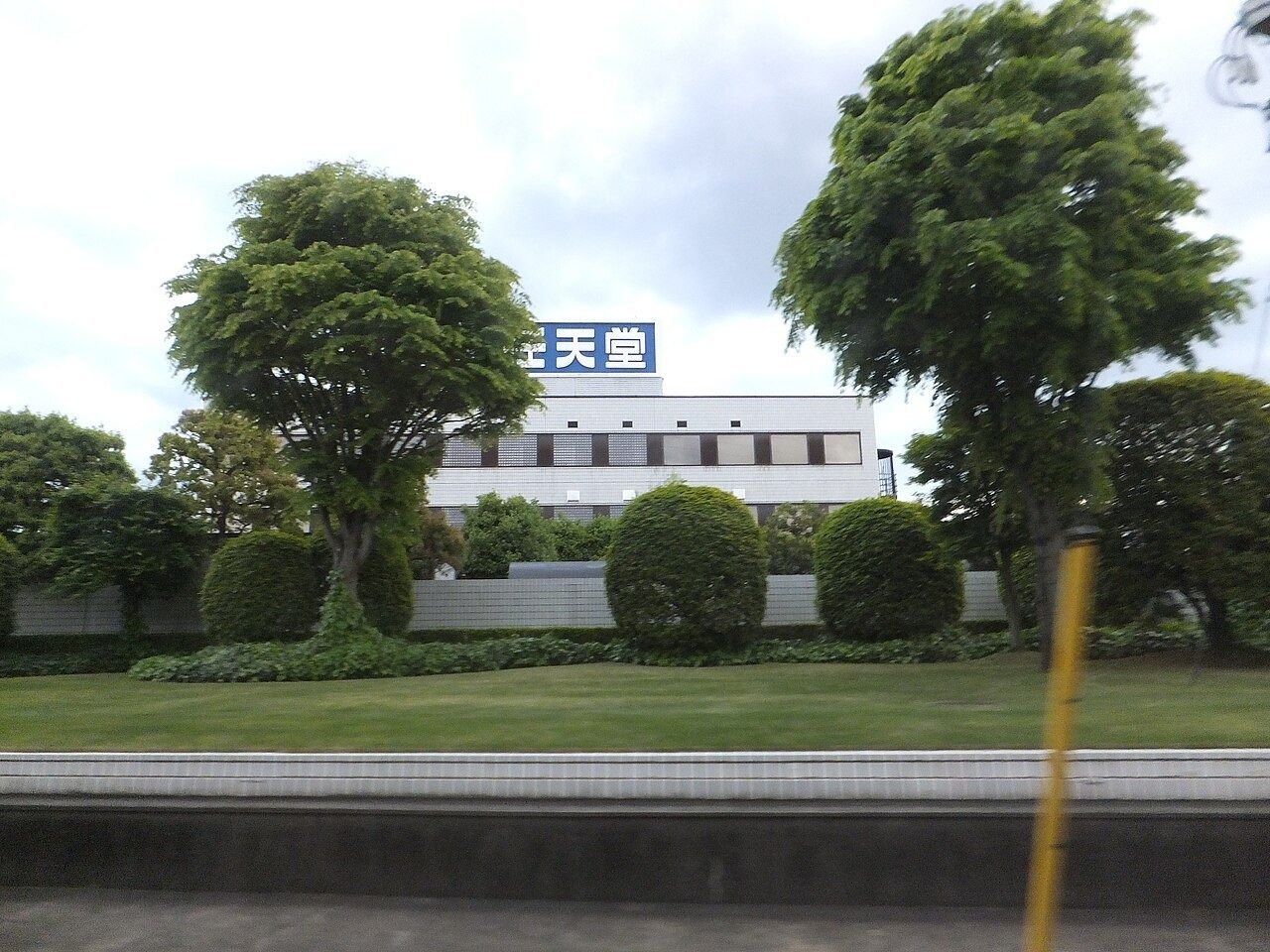
Nintendo's Uji plant, 2013 · Mti / CC BY-SA 3.0 · Wikimedia Commons - 2000 Kamitoba, Minami-ku — today's headquarters
In November 2000 the headquarters moved to 11-1 Hokotate-cho, Kamitoba, Minami-ku, Kyoto. The site covers about 67,000 m² and 2,743 people work there.
Source: Nintendo Company History · Annual Report 2026
Kamitoba headquarters · Tokumeigakarinoaoshima / CC BY-SA 4.0 · Wikimedia Commons - 2014 The Development Center
A Development Center was completed just north of the headquarters, at 2-1 Minamimatsuda-cho, Higashikujo, bringing game developers together in one building.
Source: Address: Principal Offices and Facilities (nintendo.co.jp) · year confirmed on Wikipedia (“Nintendo”)
Development Center · Christophe95 / CC BY-SA 4.0 · Wikimedia Commons - 2024 The Nintendo Museum in Uji
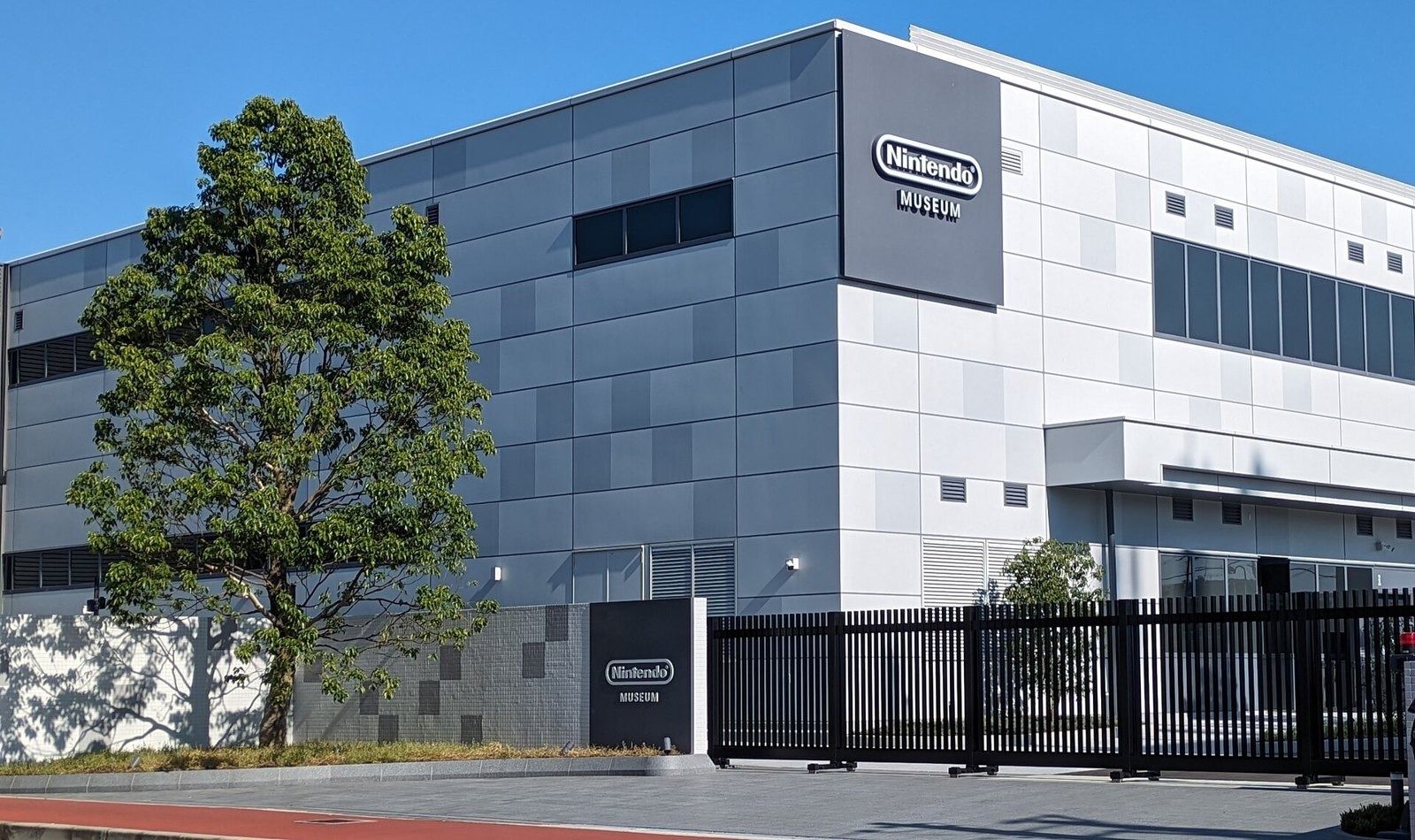
The Nintendo Museum opened in Uji City in October 2024, on the site of the former Uji Ogura plant where Nintendo made playing cards and hanafuda. The site covers about 14,000 m².
Source: Nintendo Company History · Annual Report 2026 · former plant site confirmed on Wikipedia (“Nintendo”)
Nintendo Museum · Nagomijirap / CC BY-SA 4.0 · Wikimedia Commons - 2025–29 A Technology Development Center
Nintendo plans to spend ¥121 billion on a Technology Development Center (December 2025 – March 2029) and ¥58 billion on R&D facilities (April 2025 – March 2028).
Source: Annual Report 2026, III. Plans for new installation of facilities
No free-to-use photo found yet.Have one? We’d love to add it.
Map: how the headquarters moved
Nintendo has never left the Kyoto area. Its offices moved from the Kamo River in Shimogyo-ku to Higashiyama-ku, then to Minami-ku — about 3 km in 137 years — with the plant and the museum in Uji to the south.
- 1 · 1889Original hanafuda shop, Shimogyo-ku — Card shop, and from 1933 the new building next to it
- 2 · 195960 Kamitakamatsu-cho, Fukuine, Higashiyama-ku — Headquarters 1959–2000
- 3 · 1983Uji Plant, Makishima-cho, Uji — Production plant
- 4 · 2014Development Center, Higashikujo, Minami-ku — Game development, just north of the HQ
- 5 · 2024Nintendo Museum, Uji — On the former Uji Ogura plant site
- 6 · 2000–todayHeadquarters, 11-1 Hokotate-cho, Kamitoba, Minami-ku — Headquarters since November 2000
Addresses and districts: Nintendo Company History, Principal Offices and Facilities, Annual Report 2026 · Locations approximate (museum and the 1889 shop placed by district, not by a published street address)
What Nintendo does
Nintendo started by making hanafuda cards. Today its business is the “manufacture and sale of home entertainment products”: its own game consoles and games — Nintendo Switch 2 launched in 2025 — plus income from its characters in films, theme parks and licensing.
Sales are reported as dedicated video game platforms (¥2.24T) and IP-related income etc. (¥73.5B), FY ended Mar 2026.
Where the money came from · net sales by region, FY ended Mar 2026
Source: Annual Report 2026 (sales outside Japan ¥1,778.1B; Japan calculated by eciffo from total net sales)
Source: Annual Report 2026 (fiscal year ended March 31, 2026)
Growth: revenue vs. people
¥1.76T → ¥2.31T
6,574 → 8,666
Fiscal years end March 31 (2026 = year ended March 31, 2026). Net sales (¥ trillion) and consolidated employees: Annual Report 2025 and 2026, Key financial data. Multiples calculated by eciffo.
Chief executives
Representative Director and President.
President after Satoru Iwata.
President until his death in July 2015.
Took over the family card business in 1950 and led it into video games.
Founder: Fusajiro Yamauchi (1889). Shigeru Miyamoto is a Representative Director and Executive Fellow.
Source: Directors/Executive Officers and Company Profile (nintendo.co.jp) · Nintendo of Europe, Nintendo History · earlier years in office confirmed on Wikipedia (“Nintendo”)
Nintendo: questions people ask
Where is Nintendo's headquarters?
At 11-1 Hokotate-cho, Kamitoba, Minami-ku, Kyoto, Japan, where Nintendo moved in November 2000. Its Development Center is nearby at 2-1 Minamimatsuda-cho, Higashikujo, Minami-ku.
Source: Company Profile · Principal Offices and Facilities (nintendo.co.jp)
Where did Nintendo start?
As a hanafuda card maker founded by Fusajiro Yamauchi in Shimogyo-ku, Kyoto, in September 1889. The headquarters moved to Higashiyama-ku in 1959 and to Minami-ku in 2000.
Source: Nintendo Company History and Company Profile
How big is Nintendo's headquarters?
Nintendo reports about 67,000 m² (≈ 721,000 sq ft) of land at the headquarters site, where 2,743 people work. It does not publish the building's floor area.
Source: Annual Report 2026, Major facilities
Can you visit Nintendo's headquarters?
Nintendo's corporate pages list the headquarters as an office, not a visitor site. The place open to visitors is the Nintendo Museum in Uji City, Kyoto, which opened in 2024.
Source: Nintendo Company History · Principal Offices and Facilities
How many people work at Nintendo?
8,666 people across the group at the end of March 2026, including 3,084 at Nintendo Co., Ltd. in Japan, 1,603 at Nintendo of America and 1,152 at Nintendo of Europe.
Source: Company Profile · ESG data sheet
What is Nintendo's employee turnover rate?
2.3% at Nintendo Co., Ltd. in the year to March 2026, with an average length of service of 14.6 years. Nintendo of America's turnover was 4.0%.
Source: Nintendo ESG data sheet
Does Nintendo have flexible working hours?
Yes. In Japan, Nintendo uses flextime with core hours of 10:00–15:00, requires at least 9 hours of rest between workdays, and lets almost all regular employees aged 50 and over choose a four-day week.
Source: Sustainability report, Employees
How much do Nintendo employees make?
The average annual salary at Nintendo Co., Ltd. was ¥9,666,256 including bonuses in the year to March 2025, at an average age of 40.2.
Source: Annual Report 2025, Employees
What is the Nintendo Museum?
A museum in Uji City, Kyoto Prefecture, that opened in 2024 on the site of Nintendo's former Uji Ogura plant, where it made playing cards and hanafuda. The site covers about 14,000 m².
Source: Nintendo Company History · Annual Report 2026 · Wikipedia (former plant site)
Who is Nintendo's president?
Shuntaro Furukawa, Representative Director and President since 2018. Shigeru Miyamoto is also a Representative Director, as Executive Fellow.
Source: Directors/Executive Officers (nintendo.co.jp)
Nintendo in our features
- Games · 9 companiesInside 9 Video Game Company Offices
- History · 97 companies97 Companies Founded Before 1900: Where They Started and Where They Work Now
- History · 275 companiesThen and Now: 275 Companies’ Early Offices Next to Today’s Headquarters
- Japan · 46 companiesInside the Offices of 46 Japanese Companies
- Benefits · 319 companiesPerks at 319 Big Companies: What They Offer to Keep People
- History · 130 companiesWhere 130 Famous Companies Started: Garages, Shops and One-Room Offices
You may also like
Also making games
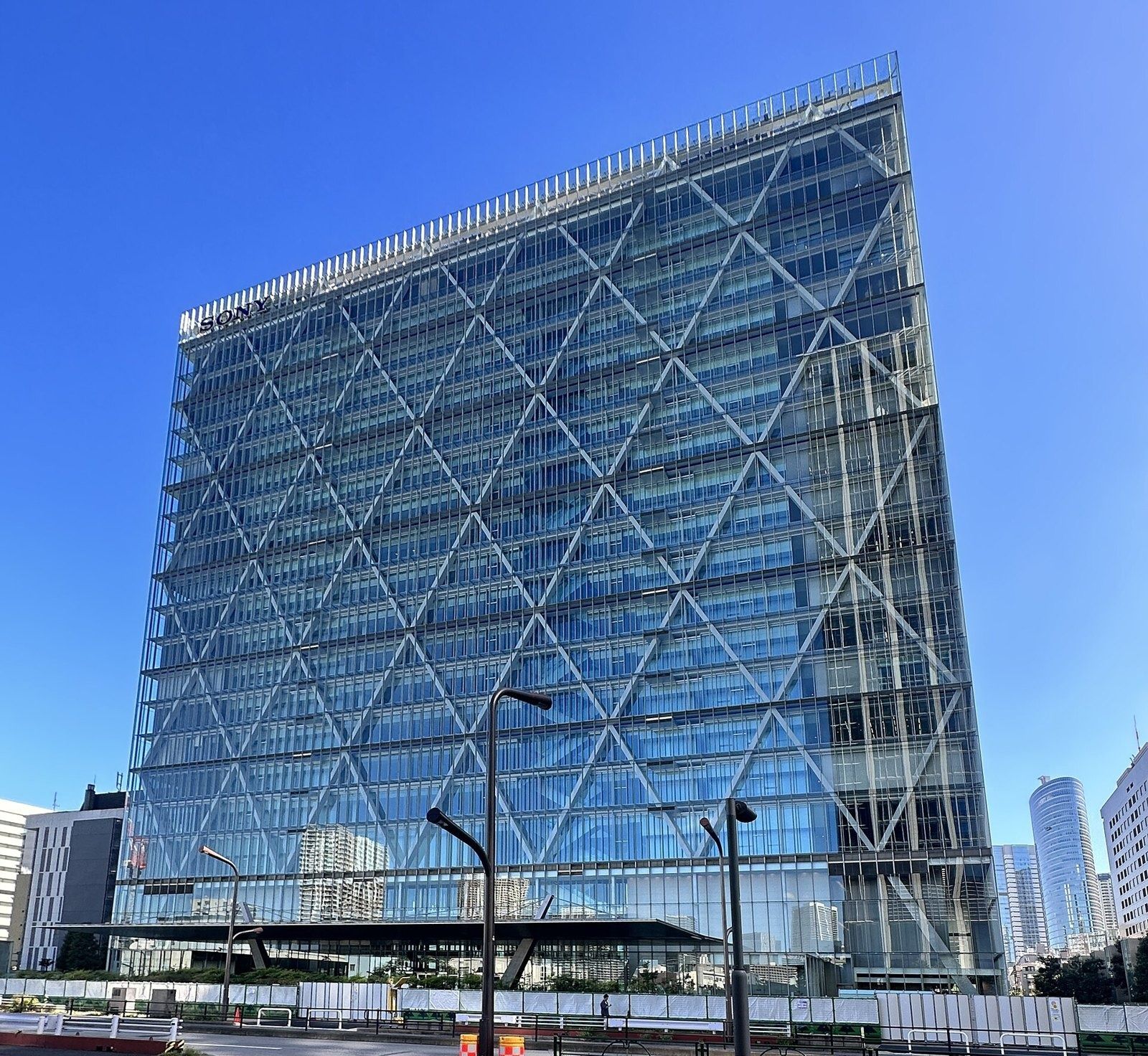
Headquartered in Japan
Characters and family entertainment
More company profiles
 3MMaplewood, MinnesotaOffices, pay & benefits →
  ABN AMROAmsterdam, NetherlandsOffices, pay & benefits →
  AccentureDublin, IrelandOffices, pay & benefits →
  adidasHerzogenaurach, GermanyOffices, pay & benefits →
  AdobeSan Jose, CaliforniaOffices, pay & benefits →
  AdyenAmsterdam, NetherlandsOffices, pay & benefits →
 Photos are credited to their source. If you hold the rights or represent Nintendo and want a photo changed or removed, contact us. Updated 2026-10-10.