Office profile
Sony Group Headquarters & offices · Tokyo, Japan
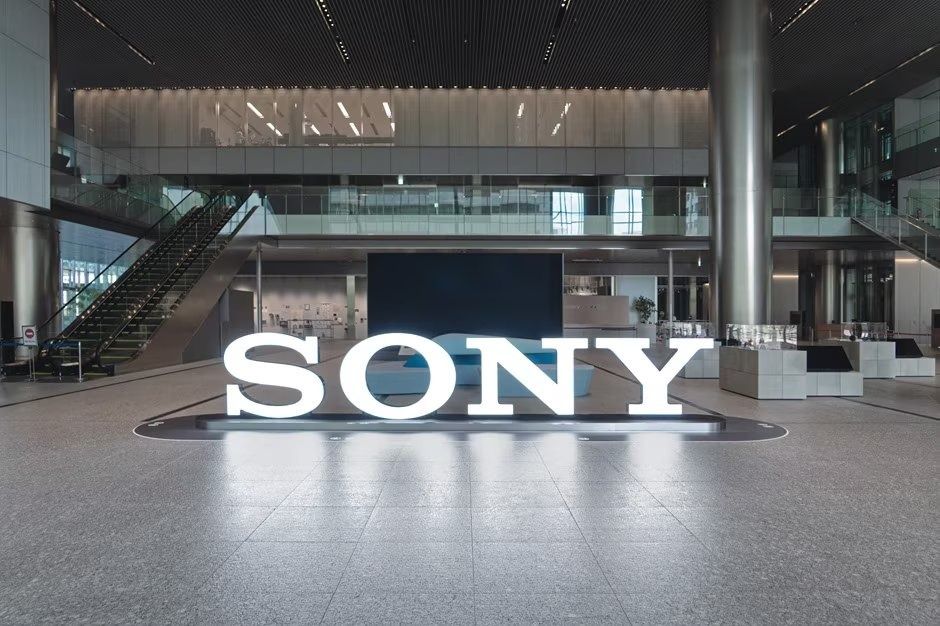
Sony Group · Tokyo, Japan
Sony moved more than 6,000 people from a dozen-plus buildings into one 20-storey tower — and cooled it with treated water from the sewage plant next door.
From a rented room in a Nihonbashi department store in 1945 to Sony City in Shinagawa — then the work rules, the people and the business. Every number from Sony's own reports, careers pages and Form 20-F, the architect's project page and Tokyo's sewerage bureau.
- 6,000+people moved into one building, 2007
- 162,888 m²floor area, 20 floors (≈ 1.75M sq ft)
- 17–24 daysannual paid leave in Japan
- 8,000+job moves via internal posting since 1966
Sources: Sony Time Capsule vol.8 · Plantec project page “Sony City” · Sony careers FAQ (Work-Life Balance) · Sustainability Report 2025, Employees
Companies / Japan / Electronics & Entertainment / Sony Group
SONY CITY · SHINAGAWA · 2006
One 20-storey building for a company that used to fill a dozen
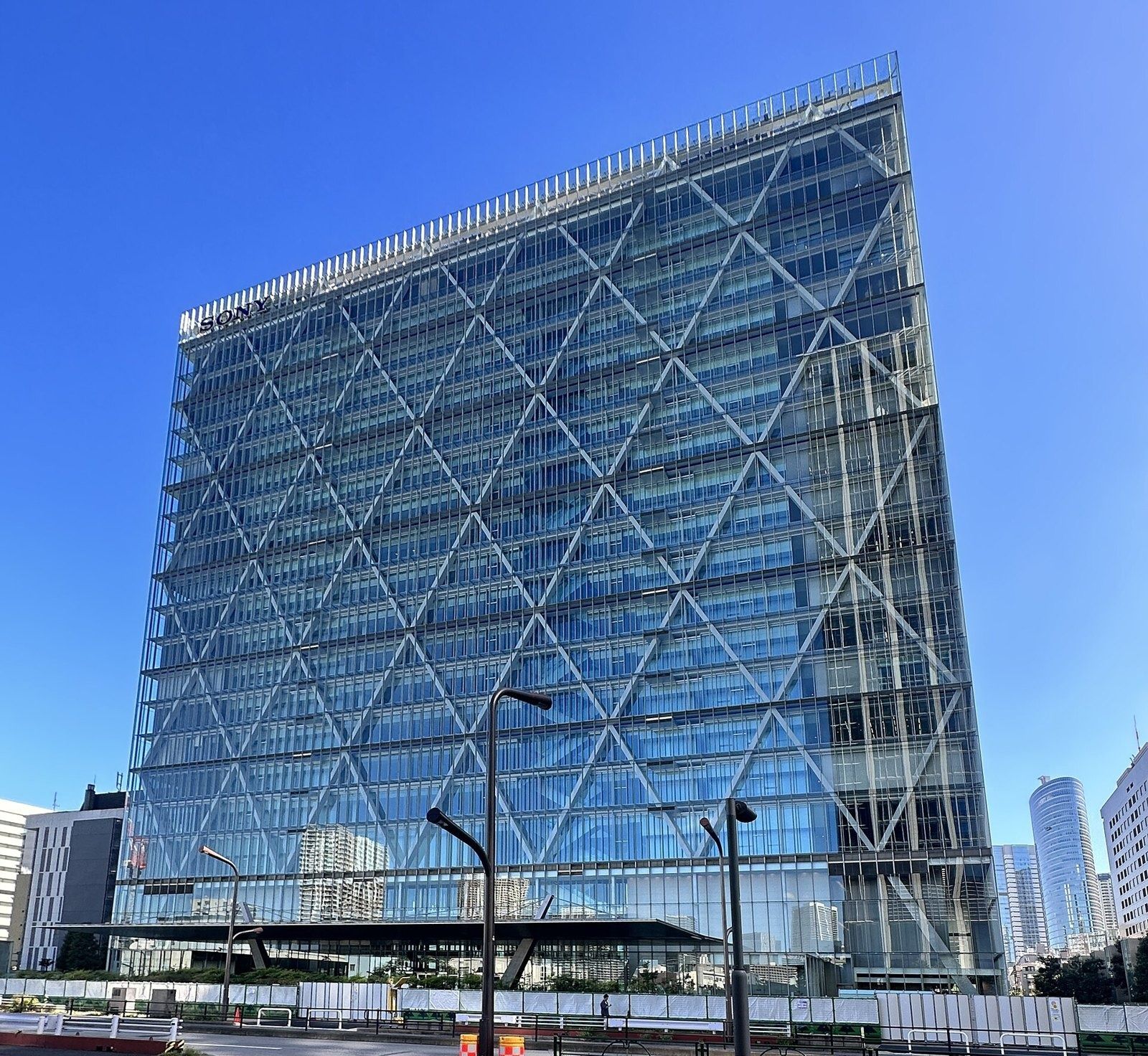
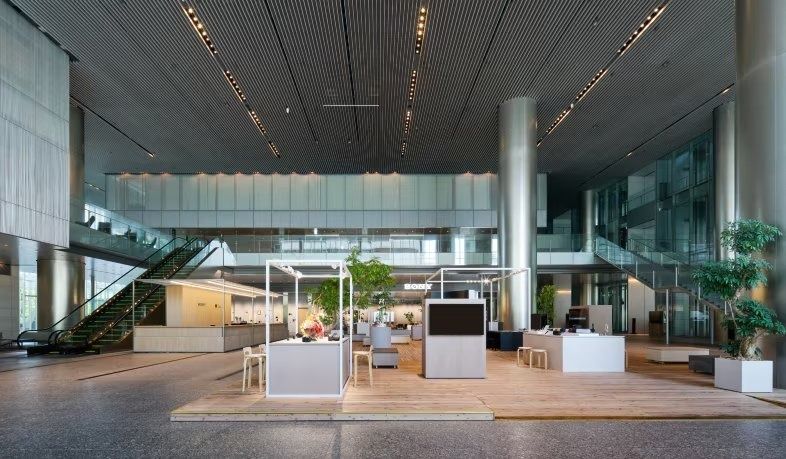
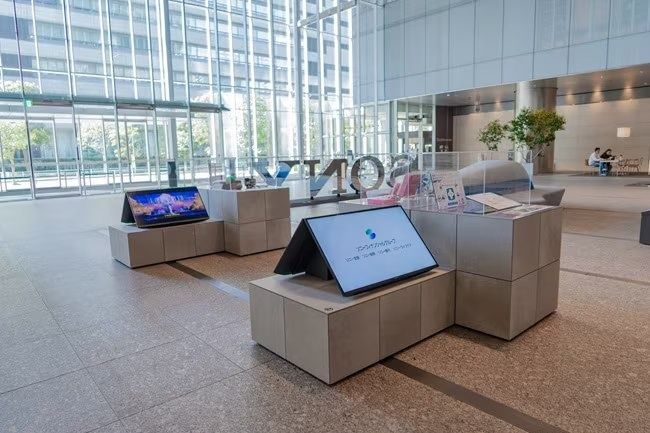
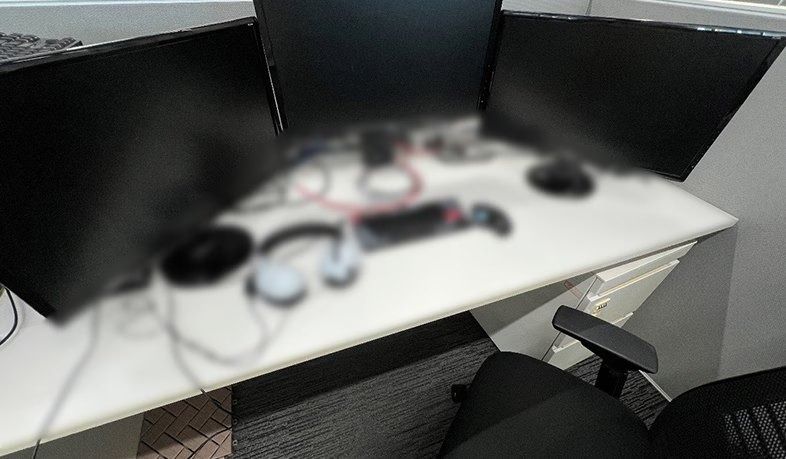
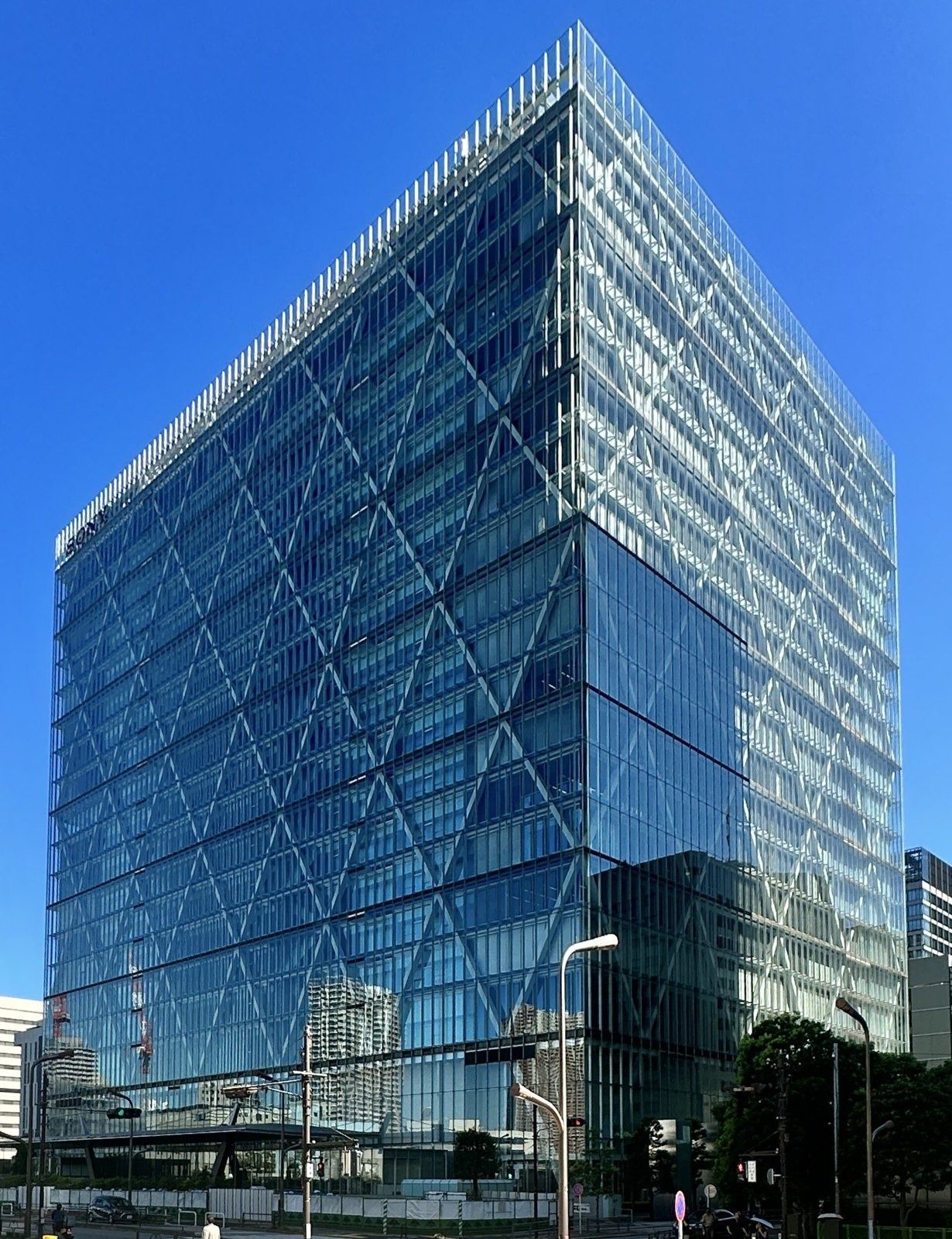
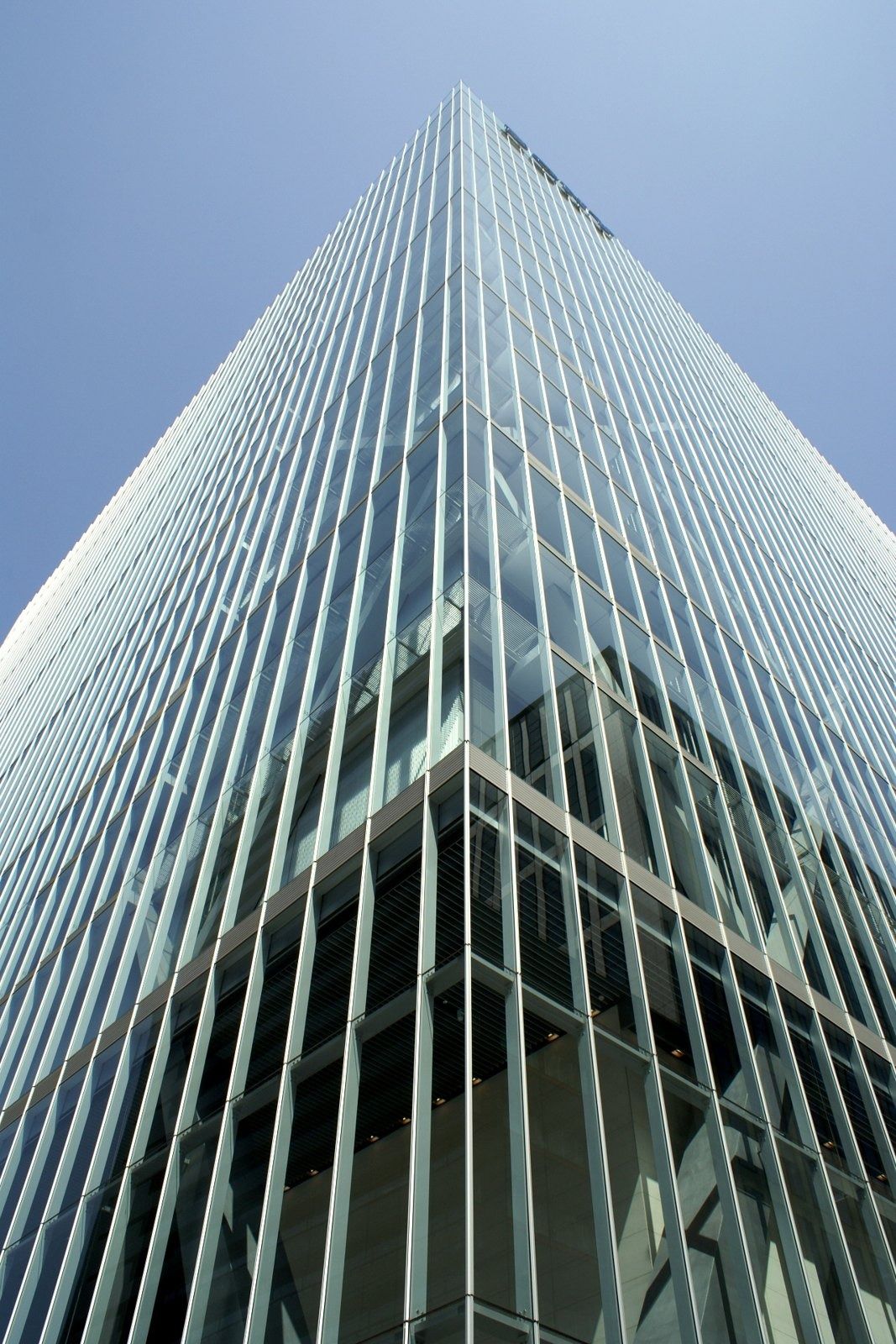
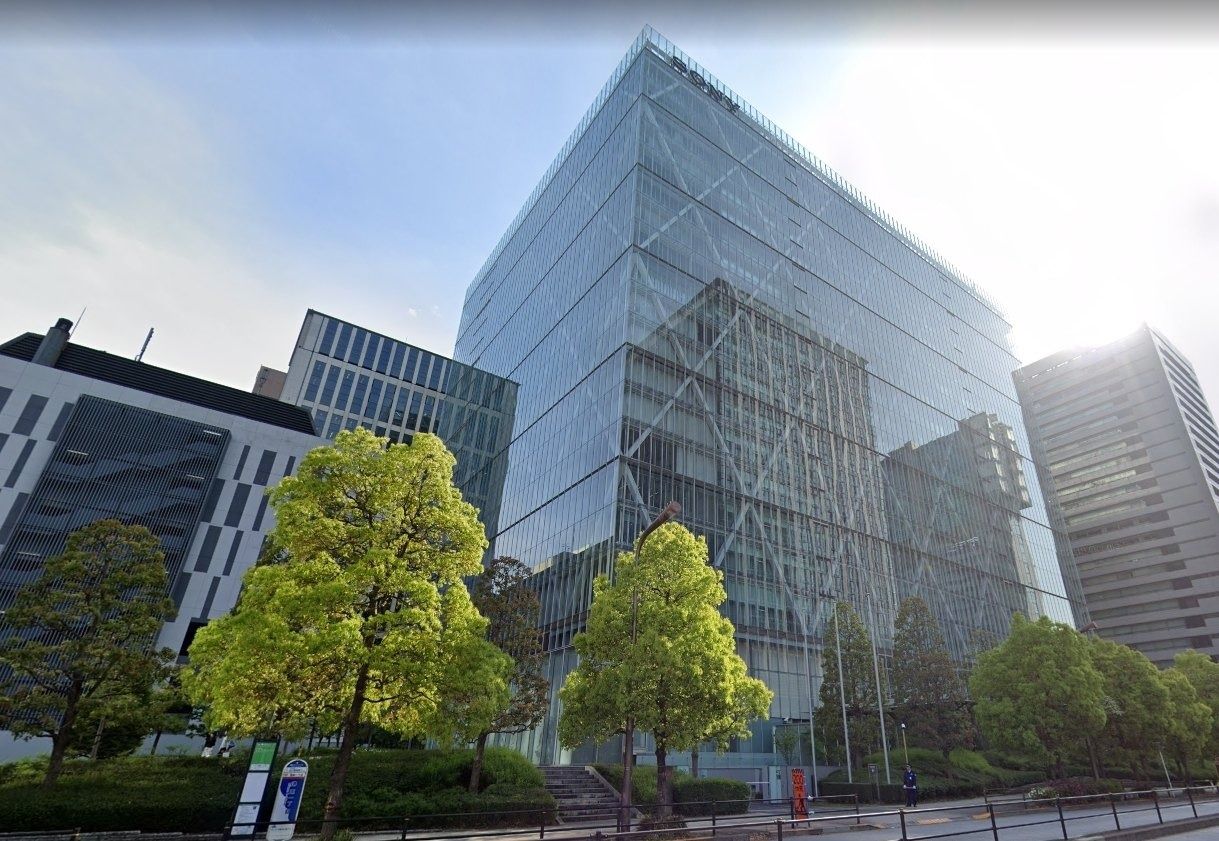
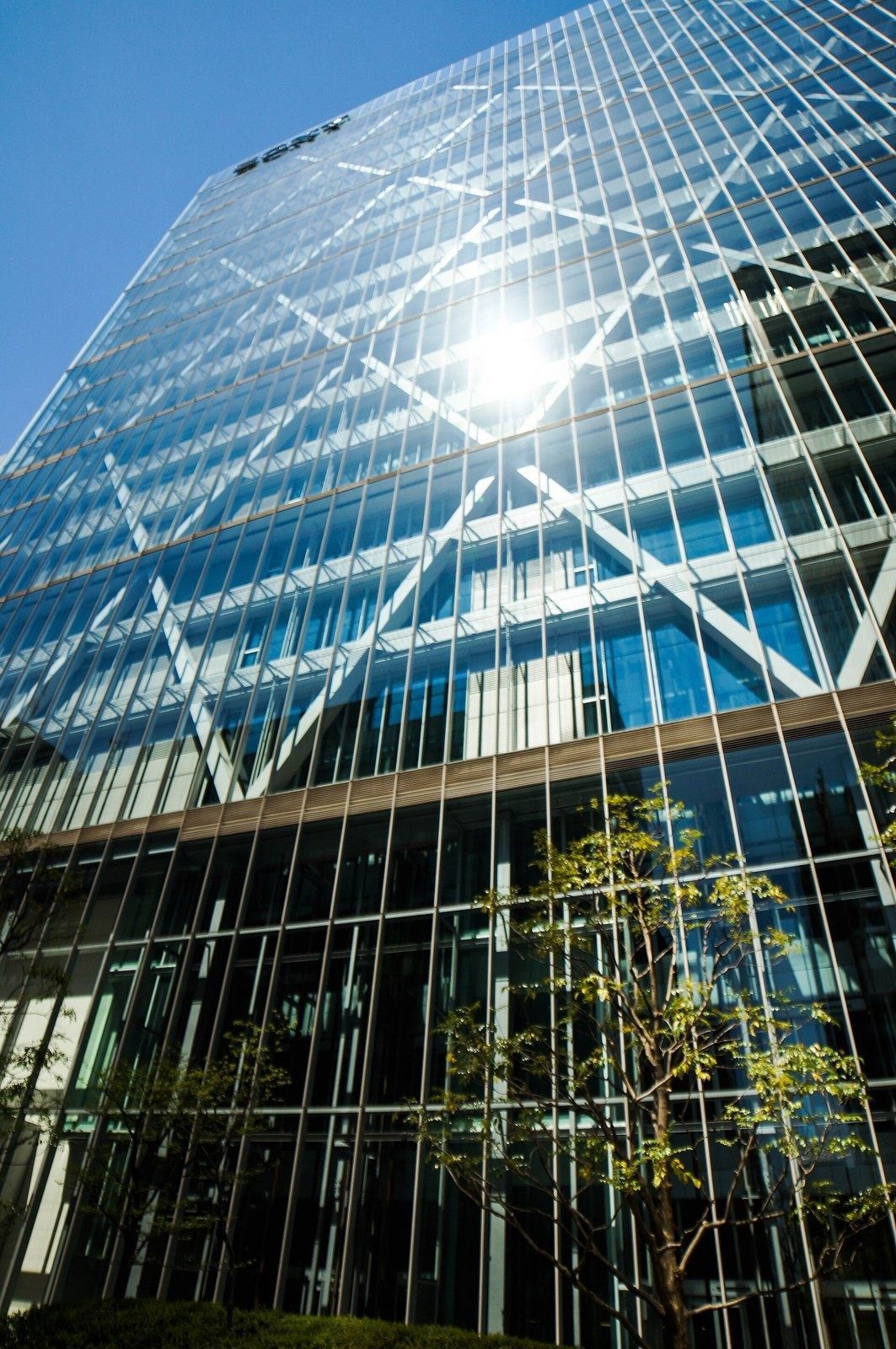
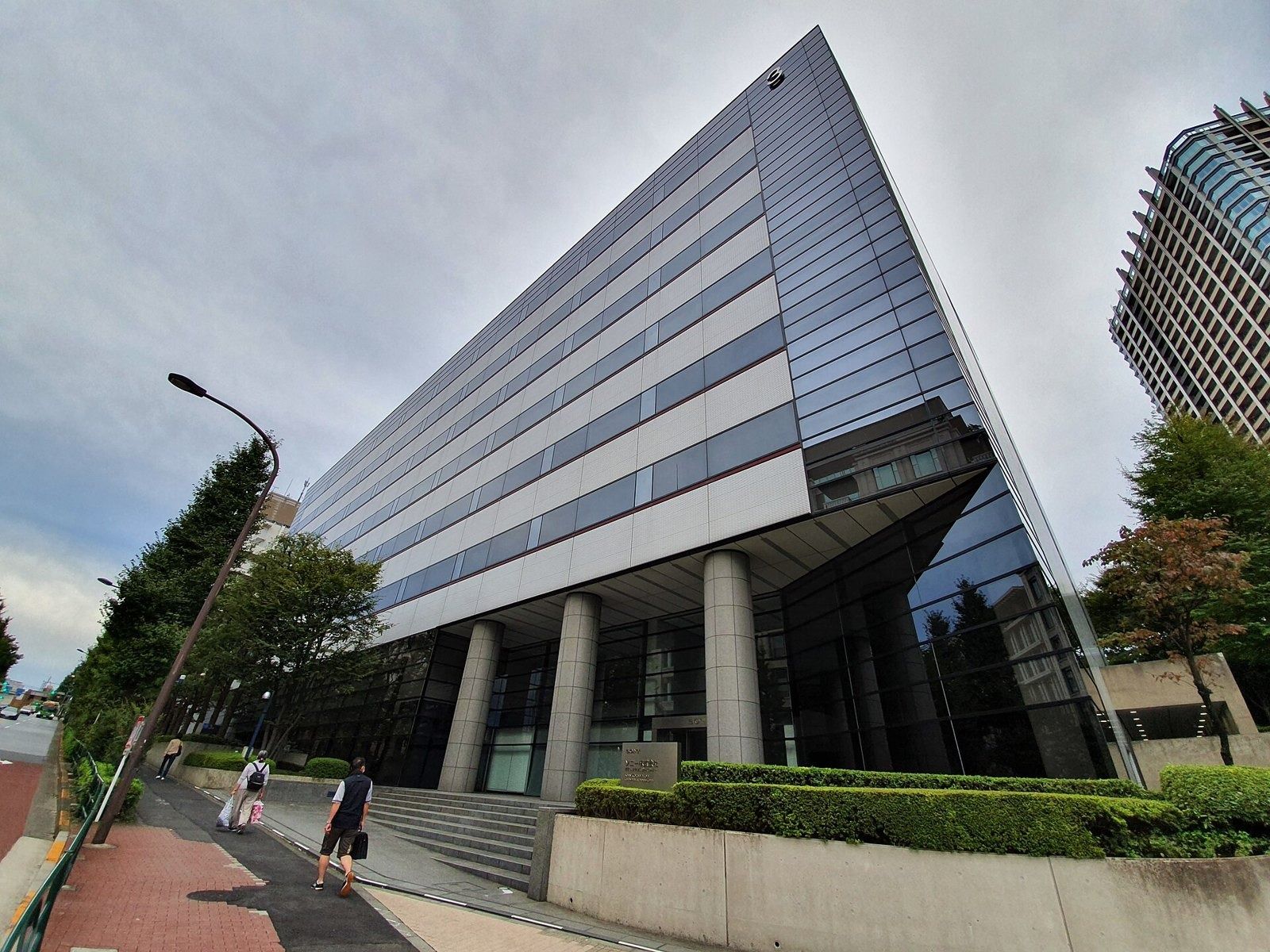
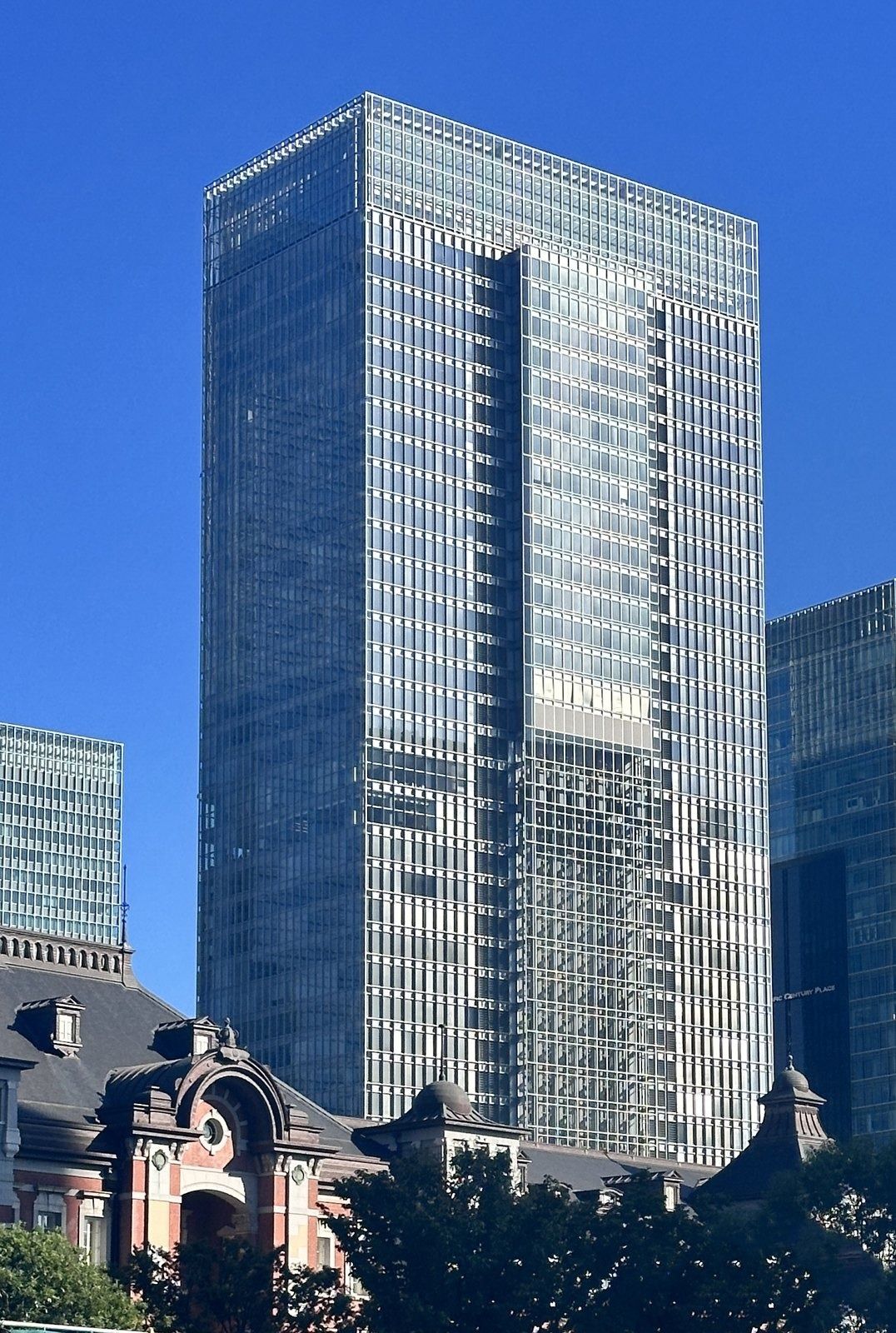
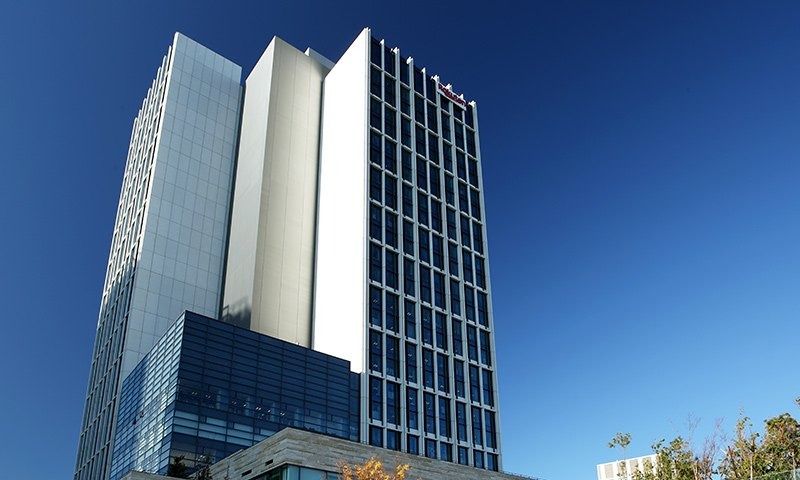
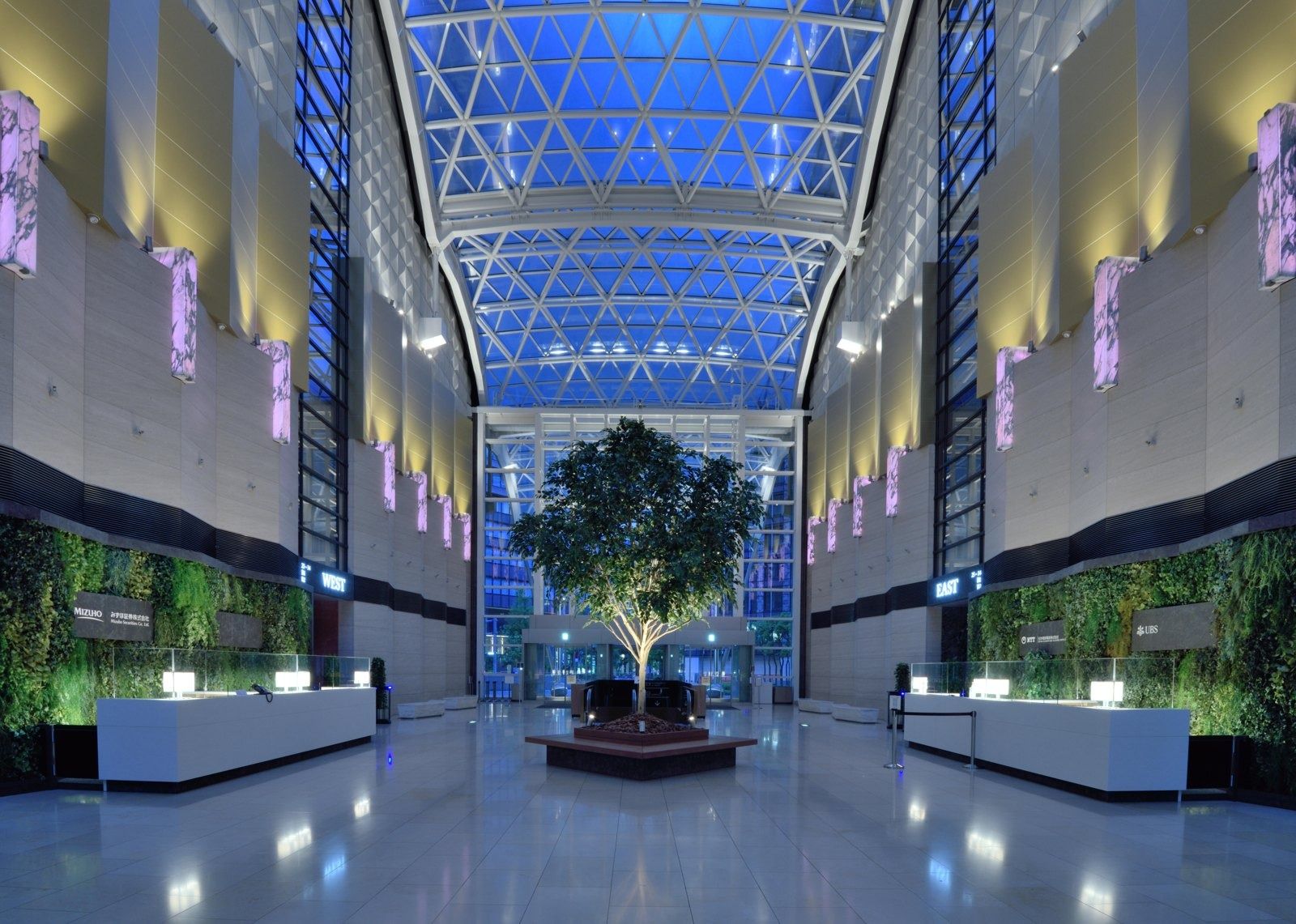
Sony City pulled Sony out of more than a dozen buildings around Shinagawa and into one tower with very wide single floors. Escalators link the office floors, braces and base isolation keep the floors free of columns, and the whole building is wrapped in a double-skin facade. Inside are NEST corners with marquetry-like walls, “family-restaurant” booths all over the building for quick meetings, rooms with whiteboard walls on both sides, the PORT lounge, a Creative Lounge with 3D printers, a staff cafeteria about the size of a football pitch with a café that opens at 8 a.m., a convenience store, and a glass escalator hall looking out at Tokyo Tower and the Rainbow Bridge.
- 20 floors + 2 basements
- 162,888 m² (≈ 1.75M sq ft)
- Column-free floors, base-isolated
- Full double-skin facade
- Cafeteria ≈ one football pitch
- 5 min from Shinagawa Station
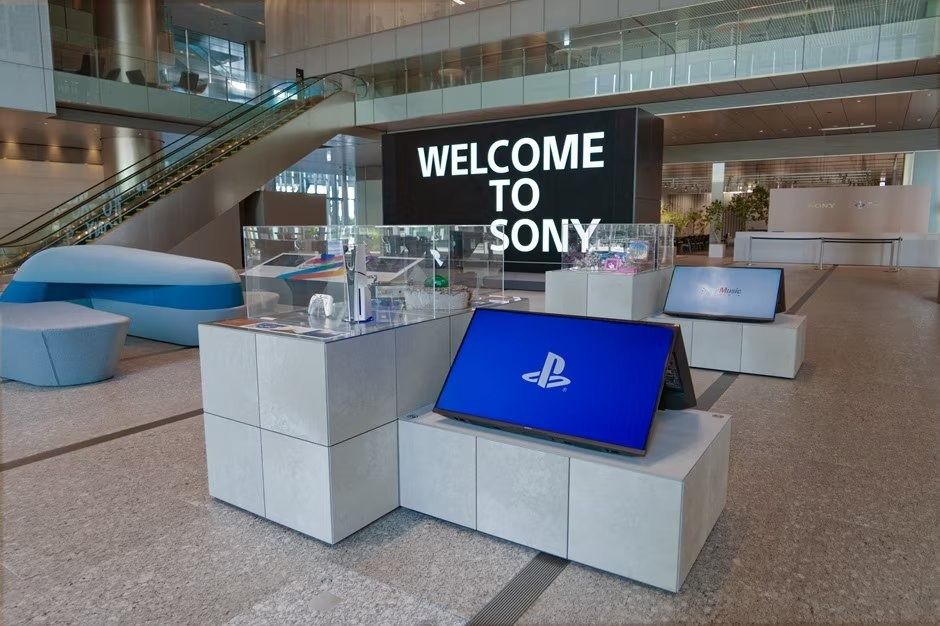
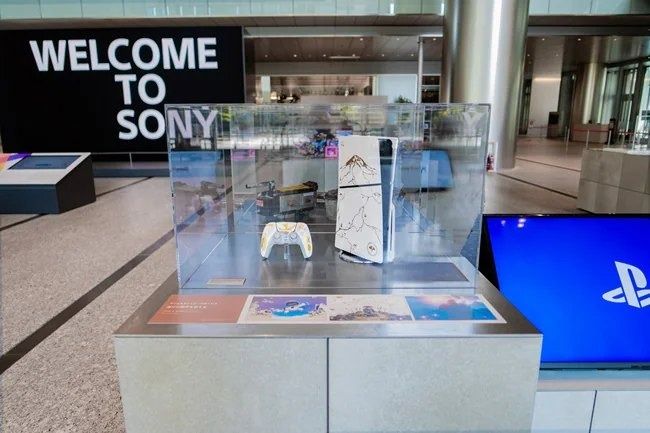
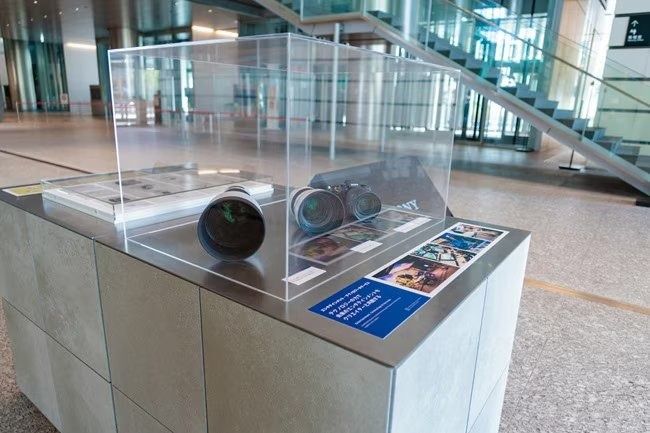
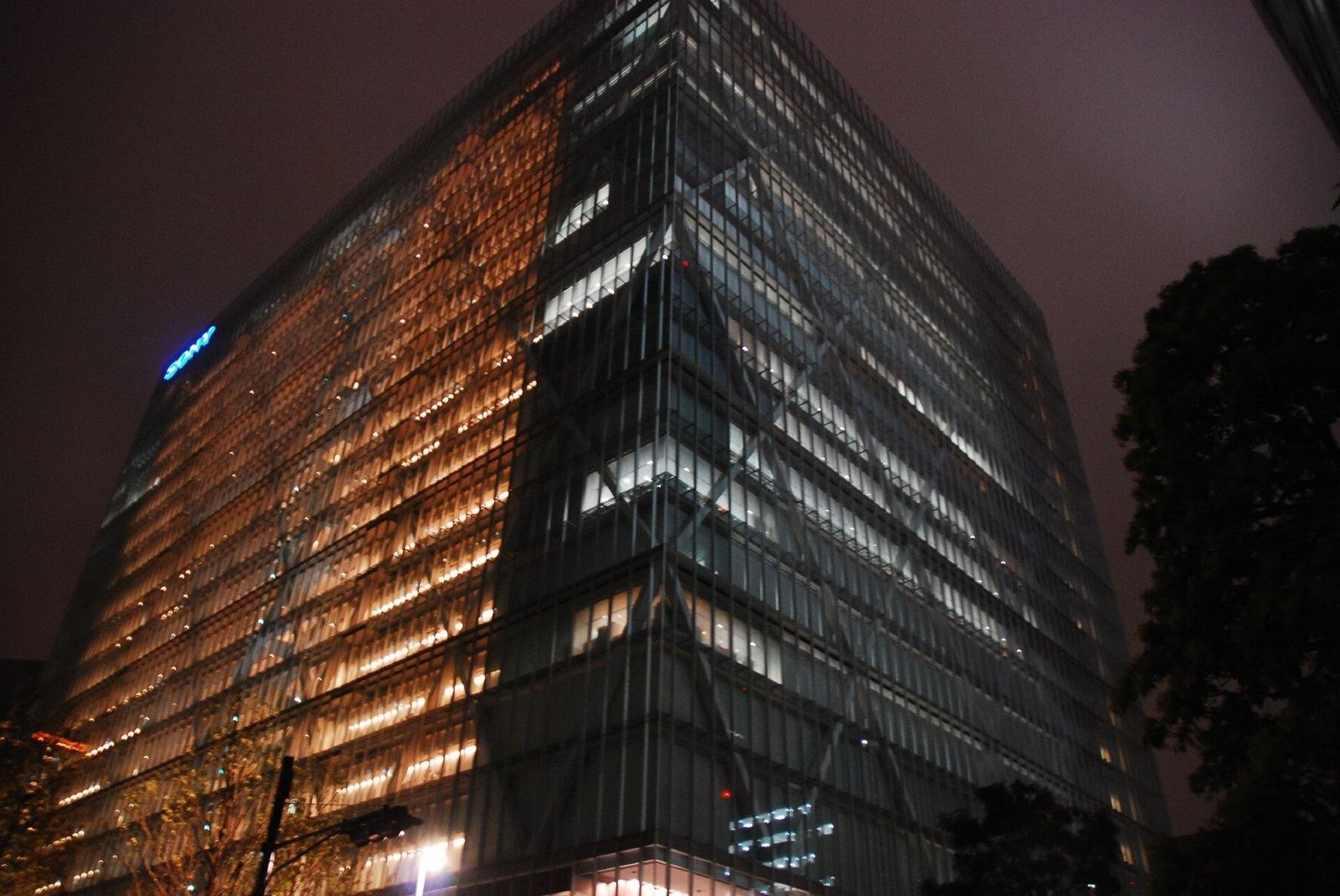
The building
Plantec designed Sony City to gather Sony from a dozen buildings into one: wide column-free floors, escalators between office floors and a full double-skin facade.
Facts: Plantec project page “Sony City” · Sony careers site “Office & Workplace” (some photos there predate 2019) · Discover Sony, Dec 14, 2023 (Sony City day-in-the-life) · Sony Corporate Data
Sony City and the main Tokyo-area sites
| Building | Address |
|---|---|
| Sony City (headquarters) | 1-7-1 Konan, Minato-ku, Tokyo 108-0075 |
| Sony City Osaki | 2-10-1 Osaki, Shinagawa-ku, Tokyo 141-8610 |
| Sony City Minatomirai | 5-1-1 Minato Mirai, Nishi-ku, Yokohama, Kanagawa 220-8750 |
| Atsugi Technology Center | 4-14-1 Asahi-cho, Atsugi-shi, Kanagawa 243-0014 |
Source: sony.com Access & Map · See them on the map ↓
Source: Plantec project page “Sony City” · Tokyo Metropolitan Sewerage Bureau, presentation to the MLIT sewage-heat council (Aug 24, 2012) · sq ft converted by eciffo
Benefits (Japan, plus the U.S.)
Starts at 17 days and grows to 24 with service, on top of weekends, national holidays and Dec 30 – Jan 4.
Employees are encouraged to take at least 10 days of paid leave a year, ideally 10 days in a row.
Sony dropped core hours from its flextime system in 2020; employees set their own start and end times.
At Sony Group Corporation every employee may work from home, a satellite office or elsewhere — and workations were added in 2025.
Paid days under the Symphony Plan, usable together with childcare leave and maternity or paternity leave.
Time off to study, improve language skills or go abroad with a spouse — or up to 2 years for self-funded study.
“Accumulated leave” covers fertility treatment and elder care; partial subsidies for babysitting and infertility treatment, with egg freezing planned from 2025.
Sony Corporation of America subsidizes a back-up network of childcare centers and home carers for children and adults.
Source: Sony careers FAQ “Work-Life Balance at Sony” · Sustainability Report 2025, Employees (Symphony Plan, flexible work, global initiatives)
Why people stay: what Sony itself says
Regular employees across the Sony Group; 2.4% in Japan and 3.3% at Sony Group Corporation.
16.0 years at Sony Group Corporation and 12.3 years across the whole group (FY2025).
Sony says it was the first Japanese company to post jobs internally; more than 8,000 employees have moved to new roles through it.
Employees can take on posted jobs and projects in another part of Sony while keeping their current role.
Opened in 2018; in FY2024 it hosted more than 1,800 events with more than 40,000 participants.
Per-capita HR development investment at Sony Group Corporation, up from ¥203,000 the year before.
Source: Sustainability Report 2026 Data Book (FY2025) · Sustainability Report 2025, Employees
Who works here
of managers across the group are women (FY2025)
people in Japan; 52,600 outside Japan
Sony Group Corporation staff at the headquarters
average monthly overtime at the parent company
Source: Sustainability Report 2026 Data Book (FY2025) · Form 20-F FY2025 (Item 4.D, headquarters staff). Segment groups combined by eciffo; gender counts cover employees with recorded gender.
Compare Sony Group with: Nintendo
Office history: from a department-store room to Sony City
- 1945 A room on the 3rd floor of Shirokiya, Nihonbashi
In September 1945 the company that became Sony started out in a room of thirty-odd square metres on the third floor of the Shirokiya department store in Nihonbashi. Tokyo Tsushin Kogyo — later Sony — was founded on May 7, 1946.
Source: Sony History, Volume 1, Chapter 1 · Sony Corporate Data
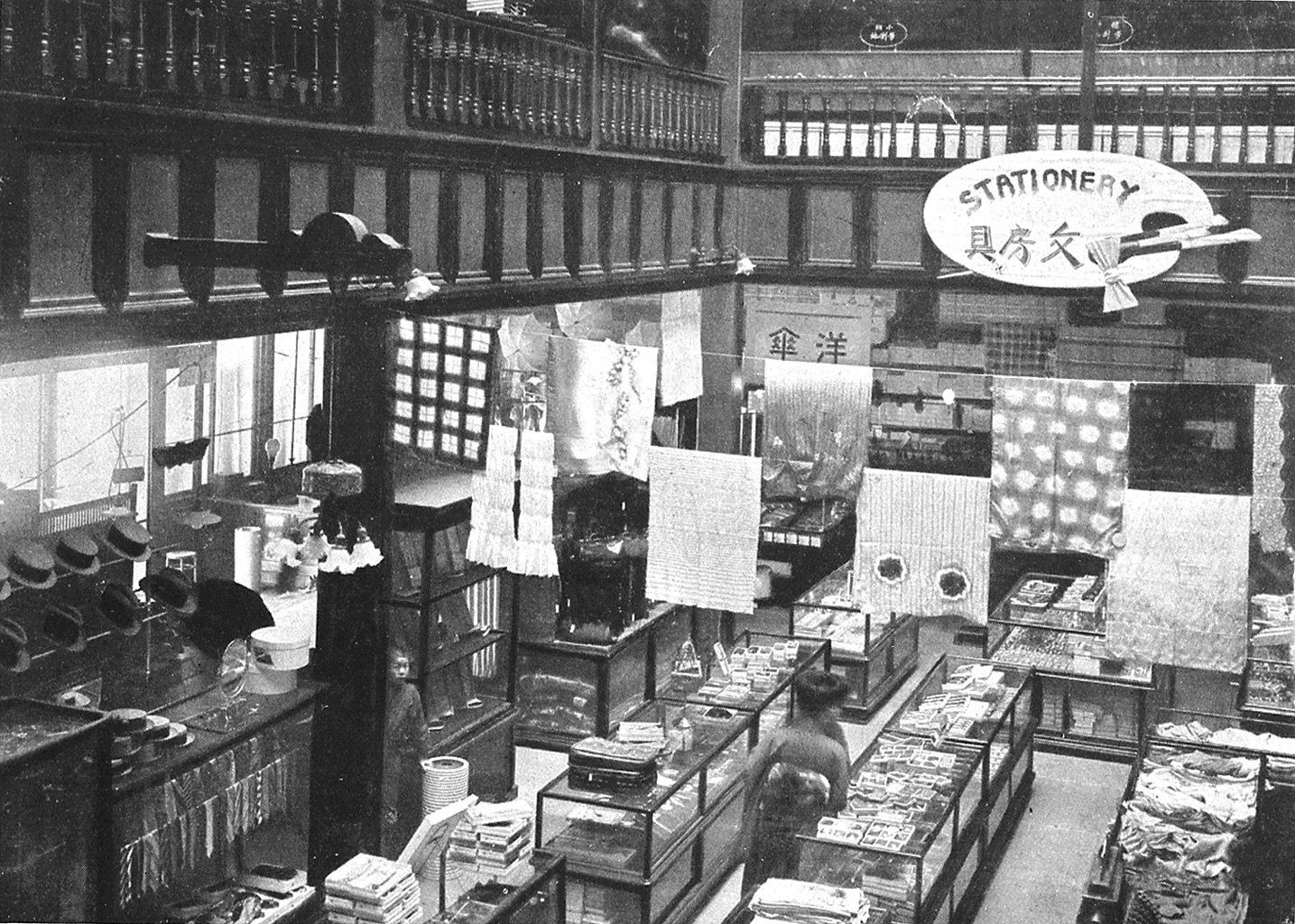
Shirokiya, Nihonbashi (1911) · Ogawa Kazumasa / Public domain · Wikimedia Commons - 1946 An office in Ginza, factories in Kichijoji and Mitakadai
The young company moved its office to Ginza and ran small factories out in Kichijoji and Mitakadai, west of central Tokyo.
Source: Sony History, Volume 1, Chapter 1
No free-to-use photo found yet.Have one? We’d love to add it. - 1947 Gotenyama, Shinagawa — a wooden barrack factory
In January 1947 everything was brought together in an old wooden factory on Gotenyama hill in Shinagawa. It became Sony's home for the next 60 years.
Source: Sony History, Volume 1, Chapter 1 · Sony Time Capsule vol.8
Gotenyama, Shinagawa · Syced / CC0 · Wikimedia Commons - 1949 The “factory on the hill”
By 1949 the Gotenyama site had grown into what Sony called its “factory on the hill”.
Source: Sony History, Volume 1, Chapter 1
No free-to-use photo found yet.Have one? We’d love to add it. - 1999–2006 6-7-35 Kitashinagawa — headquarters spread over many buildings
Through the 1990s and 2000s Sony's head office address stayed at 6-7-35 Kitashinagawa, Shinagawa-ku, with staff spread across more than a dozen buildings in the area.
Source: Sony IR releases (1999, 2006) · Plantec project page
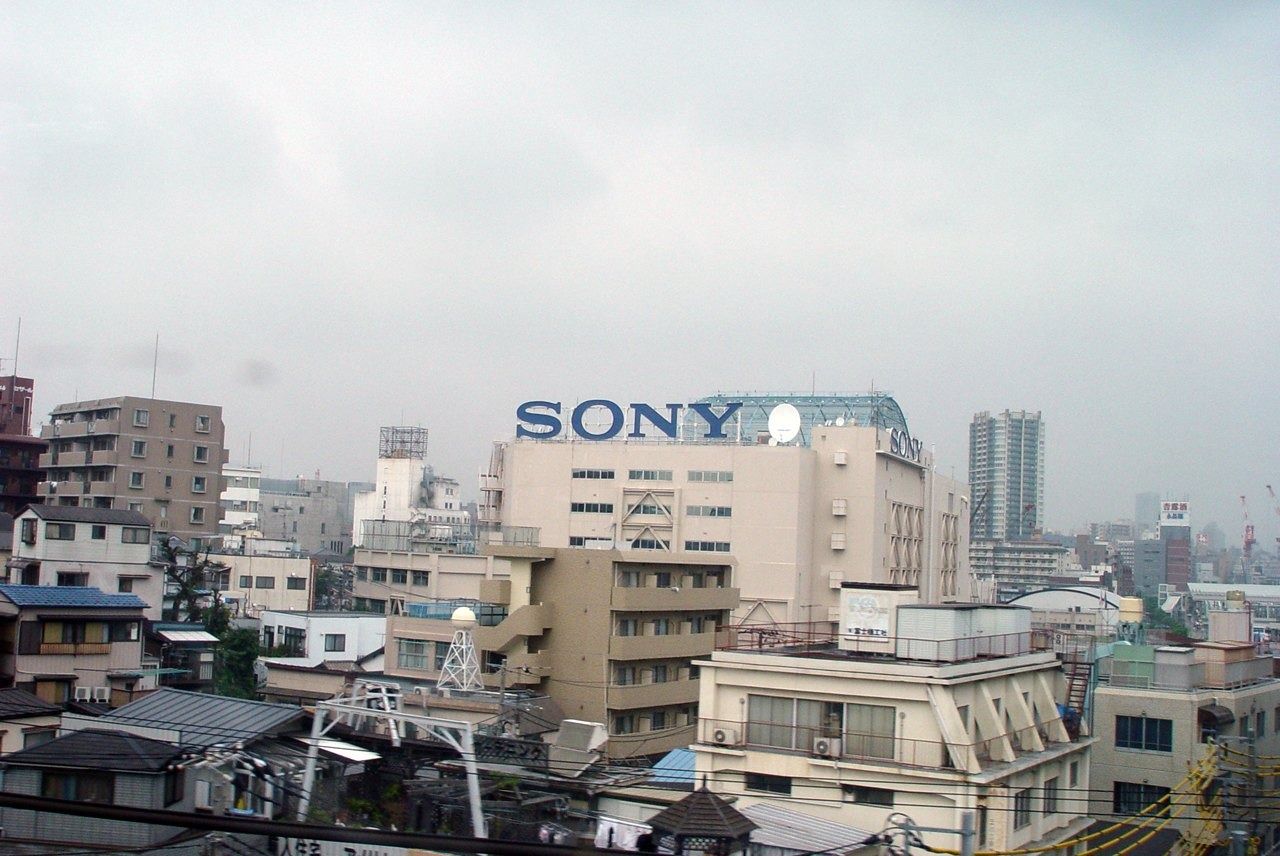
The old headquarters, 2005 · Brandon Daniel / CC BY-SA 2.0 · Wikimedia Commons - 2007 Sony City, Konan — one 20-storey building
Sony City was completed in October 2006 on the site of the former Shibaura Technology Center, and the move finished in February 2007: more than 6,000 employees in one building, across the tracks on the Konan side of Shinagawa Station.
Source: Sony Time Capsule vol.8 · Plantec project page
Sony City · Akonnchiroll / CC BY-SA 4.0 · Wikimedia Commons - 2026 A new entrance hall
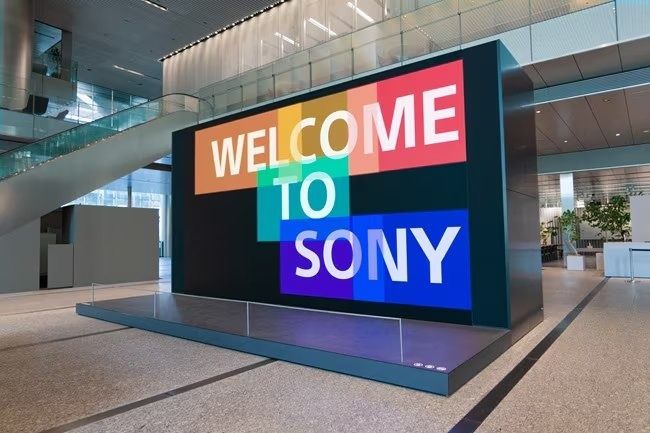
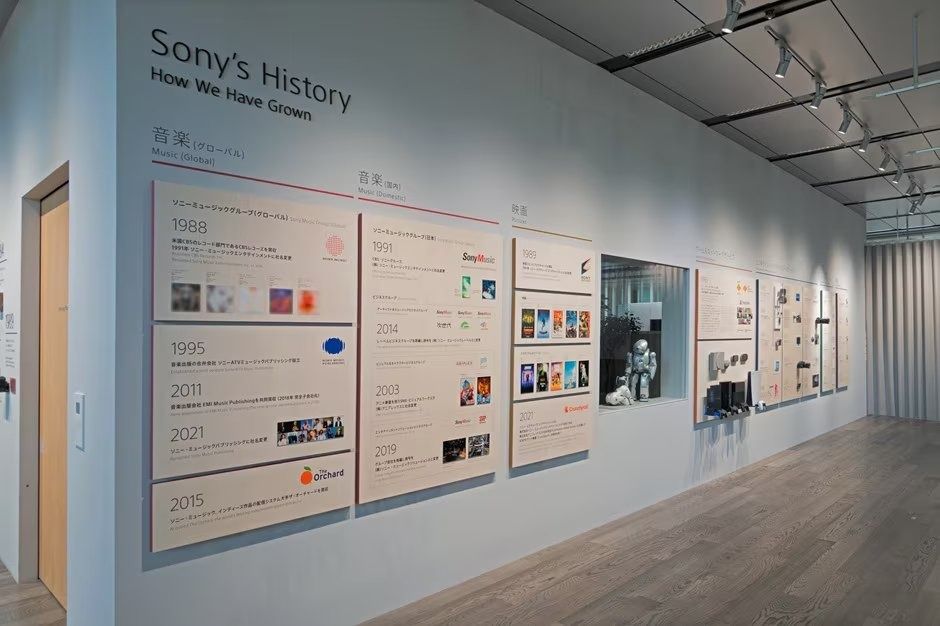
In March 2026 the first-floor entrance was renewed with a 6 m × 3.5 m Crystal LED display, a SONY sign about 6 m long and an updated history exhibit, “Where We Began” and “How We Have Grown”, first installed in 2019.
Source: Sony corporate blog, Apr 24, 2026
No free-to-use photo found yet.Have one? We’d love to add it.
Map: how the headquarters moved
From a department-store room in Nihonbashi to Gotenyama hill in Shinagawa, where Sony stayed for 60 years — and then about 1 km east, to the other side of Shinagawa Station.
- 1 · 1945Shirokiya department store, Nihonbashi — A rented room on the 3rd floor, where Sony's story began
- 2 · 1947Gotenyama, 6-7-35 Kitashinagawa — Wooden barrack factory, then the headquarters for 60 years
- 3 · 2007Sony City, 1-7-1 Konan — Today's headquarters, 5 minutes from Shinagawa Station
Places: Sony History Vol. 1 Ch. 1 · Sony IR releases (Kitashinagawa address) · Sony Corporate Data. Coordinates approximated by eciffo from the addresses.
What Sony Group does
Sony started out in 1946 as a small electronics maker in post-war Tokyo. Today its biggest business is PlayStation; the rest is music, films and anime, image sensors for phones and cars, and electronics such as TVs, cameras and headphones. In October 2025 it partially spun off its financial services arm.
Five main segments: Game & Network Services, Music, Pictures, Entertainment Technology & Services, and Imaging & Sensing Solutions, plus All Other.
Where the money came from · Sales by segment, FY2025 (incl. sales between segments)
Source: Form 20-F for the fiscal year ended March 31, 2026, segment information (Yen in millions)
Source: Form 20-F FY2025, Item 5 (fiscal year ended March 31, 2026; average rate ¥150.7 per US$ as stated there) · per-employee figure calculated by eciffo
Growth: revenue vs. people
¥7.33T → ¥12.48T
109,700 → 94,900
Fiscal years end March 31 (2026 = year ended March 31, 2026). Revenue = the “Sales” line under IFRS, which excludes financial services revenue, so the series stays comparable after the October 2025 spin-off of the financial business. Sales and employees (approximate, rounded by Sony): Form 20-F for fiscal 2022, 2024 and 2025. Multiples calculated by eciffo.
Chief executives
President and CEO since April 2025. Joined Sony in 1987; previously CFO, then President, COO and CFO from 2023.
President and CEO from April 2018, Chairman and CEO from 2023; Chairman since April 2025.
Founders: Masaru Ibuka and Akio Morita.
Source: Form 20-F FY2025, Item 6 (directors' personal histories) · Sony History
Sony Group: questions people ask
Where is Sony's headquarters?
At Sony City, 1-7-1 Konan, Minato-ku, Tokyo — a five-minute walk from the Konan exit of Shinagawa Station.
Source: Sony Corporate Data
How big is Sony City?
20 floors above ground and two below, with a total floor area of 162,887.57 m² (about 1.75 million sq ft) on an 18,165 m² site. It was built from August 2004 to October 2006.
Source: Plantec project page “Sony City”
Who designed Sony's headquarters?
Plantec. Its design gives Sony very wide single floors linked by escalators, column-free space through braces and base isolation, and a full double-skin facade. The building won a Good Design Award in 2007.
Source: Plantec project page “Sony City”
How many people work at Sony?
About 94,900 at March 31, 2026 — down from 112,300 a year earlier, mainly because the financial services business was partially spun off in October 2025. About 42,300 work in Japan.
Source: Sony Corporate Data · Form 20-F FY2025 · Data Book 2026
Where was Sony's headquarters before Sony City?
On Gotenyama hill in Shinagawa, at 6-7-35 Kitashinagawa. Sony moved there in January 1947 and stayed until the move to Sony City finished in February 2007.
Source: Sony History · Sony IR releases · Sony Time Capsule vol.8
How many vacation days do Sony employees get?
In Japan, annual paid leave starts at 17 days and rises to 24 with service, on top of weekends, national holidays and the New Year break (Dec 30 – Jan 4). Employees are encouraged to take 10 days in a row.
Source: Sony careers FAQ “Work-Life Balance at Sony”
Does Sony allow remote or flexible work?
Yes. At Sony Group Corporation all employees may work from home, a satellite office or elsewhere, workations were added in 2025, and the flextime system has had no core hours since 2020.
Source: Sustainability Report 2025, Employees
What is Sony's employee turnover rate?
4.3% voluntary turnover of regular employees across the Sony Group in fiscal 2025; 2.4% in Japan and 3.3% at Sony Group Corporation.
Source: Sustainability Report 2026 Data Book
How is Sony City air-conditioned?
Since October 2006 the building has dumped its air-conditioning heat into treated water from the neighbouring Shibaura Water Reclamation Center (about 60,000 m³ a day), so it needs no cooling towers. Reclaimed water is also used for toilets.
Source: Tokyo Metropolitan Sewerage Bureau, MLIT sewage-heat council material (2012)
Who is Sony's CEO?
Hiroki Totoki, President and CEO since April 2025. He joined Sony in 1987 and was previously its CFO.
Source: Sony Corporate Data · Form 20-F FY2025
You have seen the office, the benefits and the pay
Want to work at Sony Group?
See open jobs on Sony Group's careers site ↗Or keep exploring: compare these benefits and offices with other companies below.
Sony Group in our features
- Tokyo · 35 companies35 Company Headquarters in Tokyo
- History · 275 companiesThen and Now: 275 Companies’ Early Offices Next to Today’s Headquarters
- Japan · 46 companiesInside the Offices of 46 Japanese Companies
- Benefits · 319 companiesPerks at 319 Big Companies: What They Offer to Keep People
- History · 130 companiesWhere 130 Famous Companies Started: Garages, Shops and One-Room Offices
You may also like
Also making games and entertainment
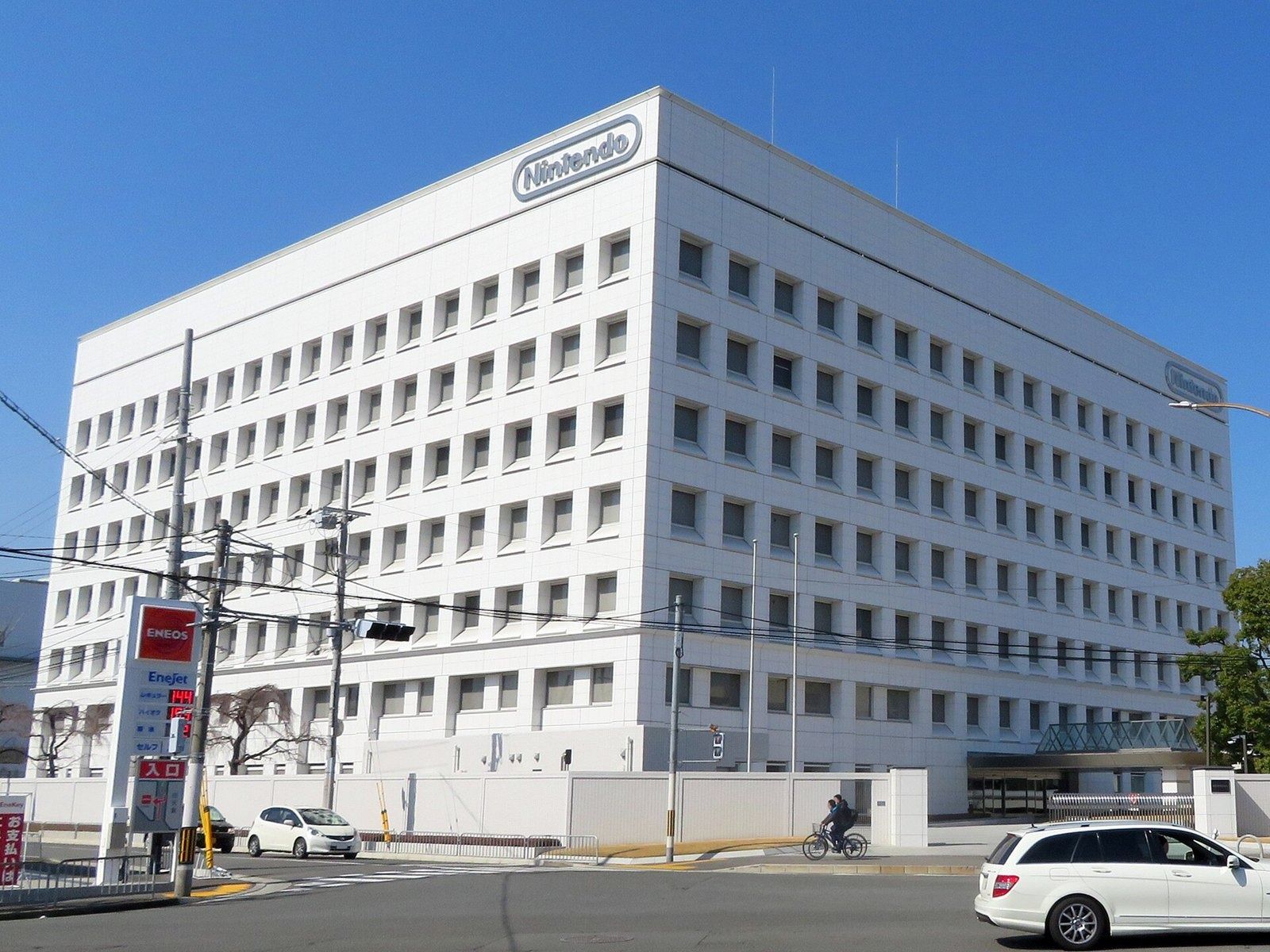 NintendoKyoto, JapanOffices, pay & benefits →
 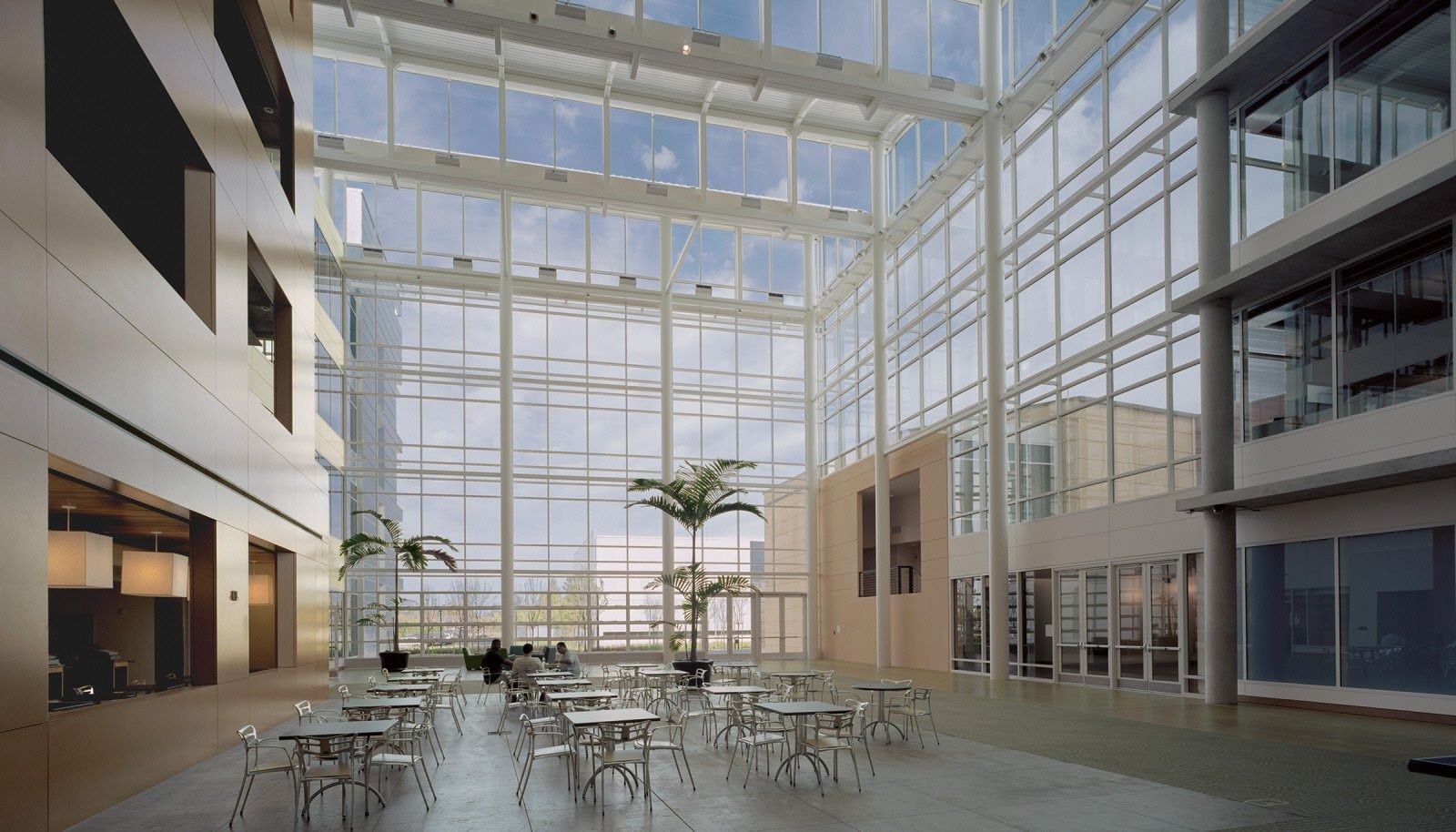 Electronic ArtsRedwood City, CaliforniaOffices, pay & benefits →
 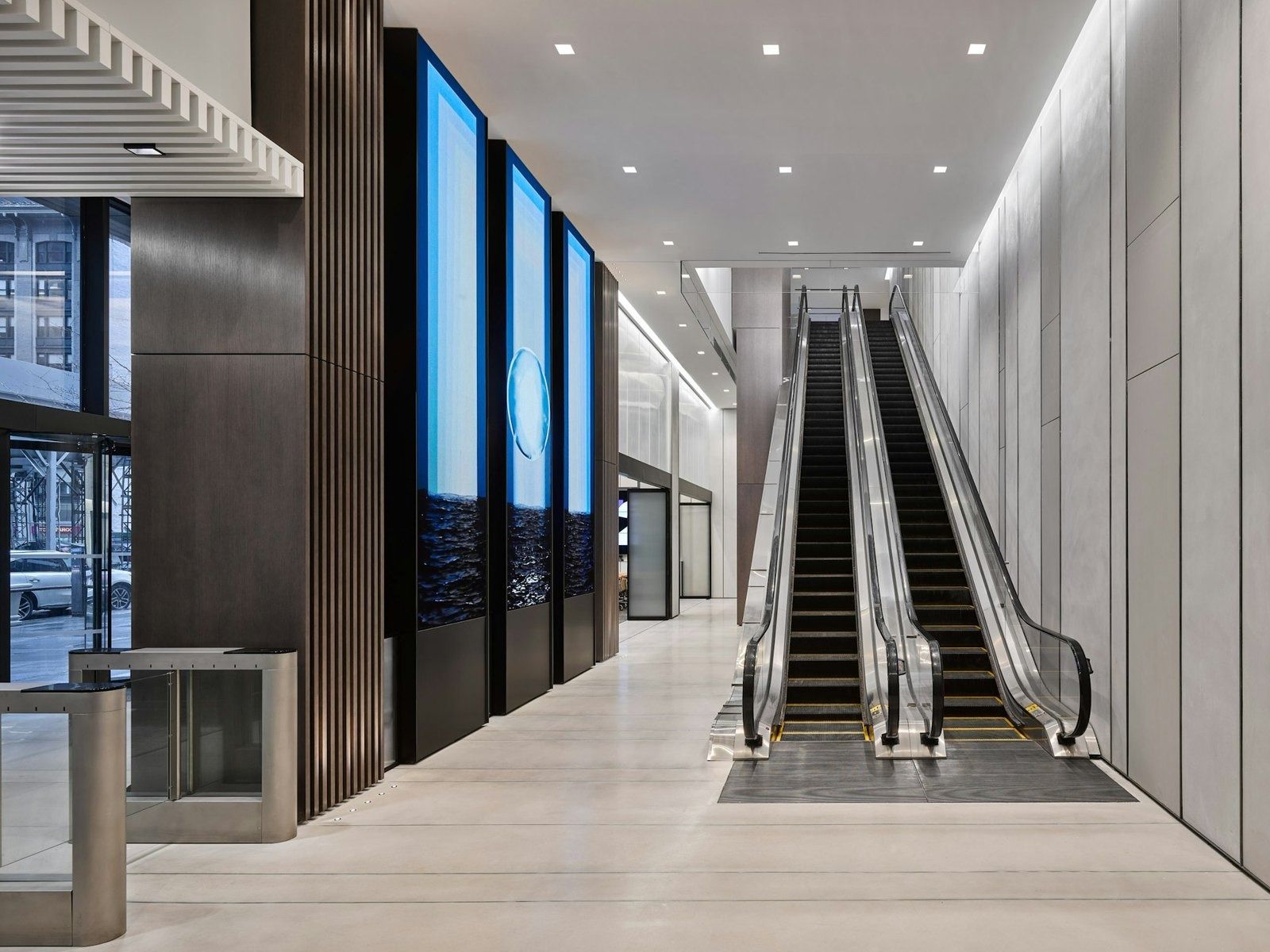 Take-Two InteractiveNew York, New YorkOffices, pay & benefits →
 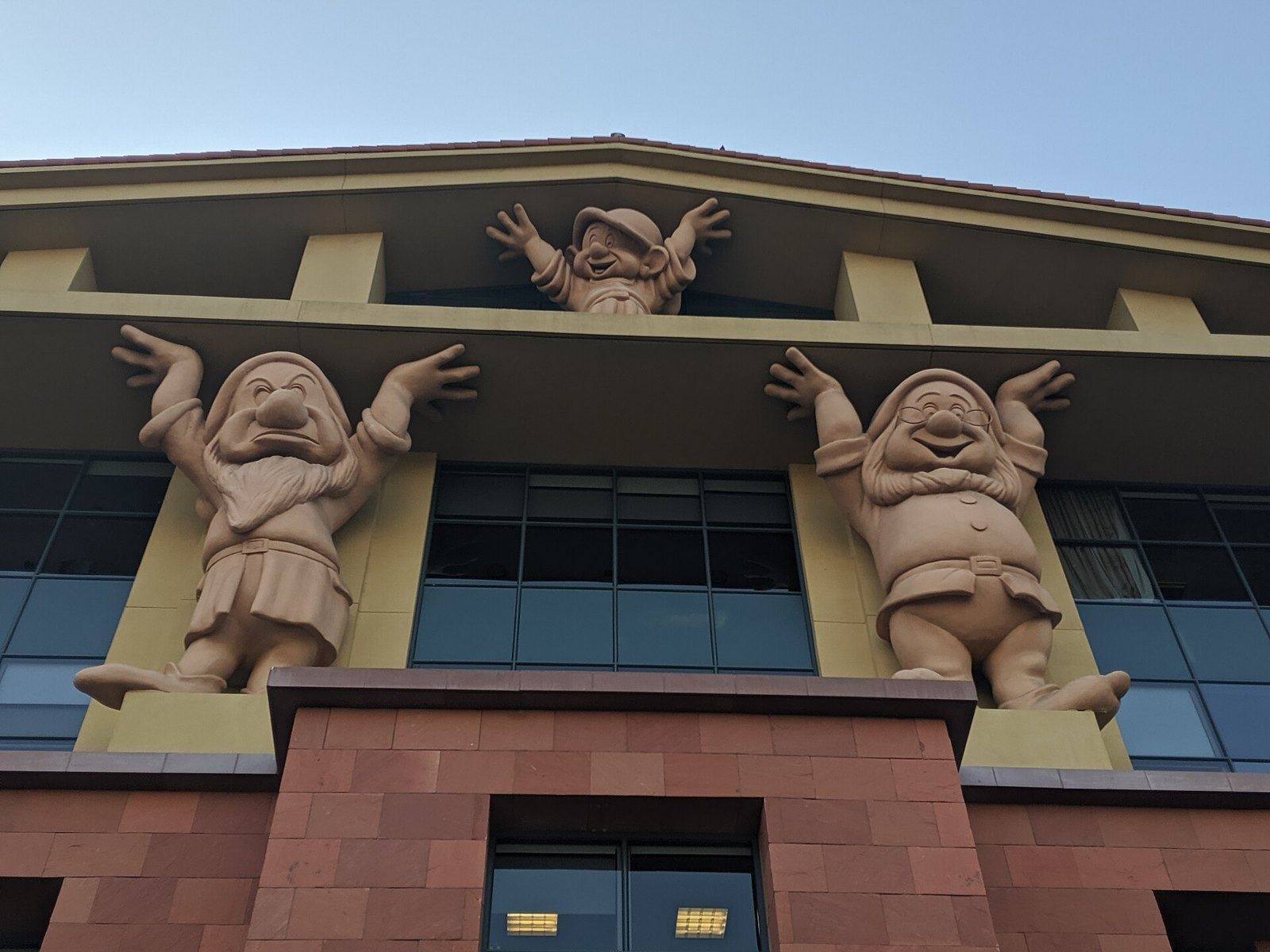 The Walt Disney CompanyBurbank, CaliforniaOffices, pay & benefits →
 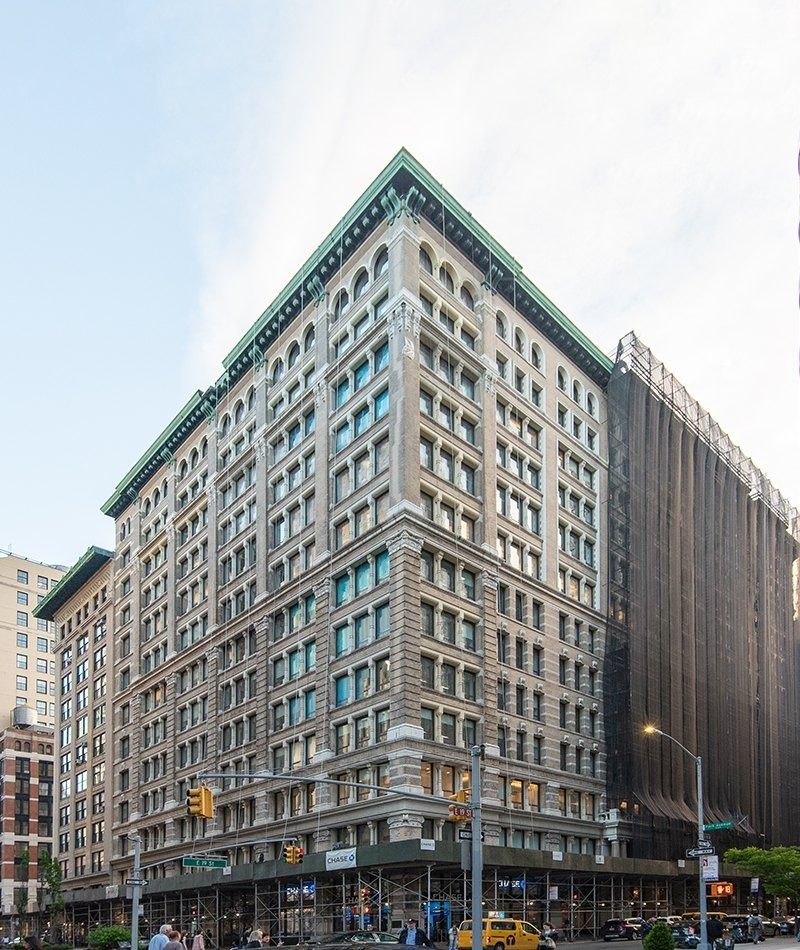 Warner Bros. DiscoveryNew York, New YorkOffices, pay & benefits →
 Headquartered in Tokyo
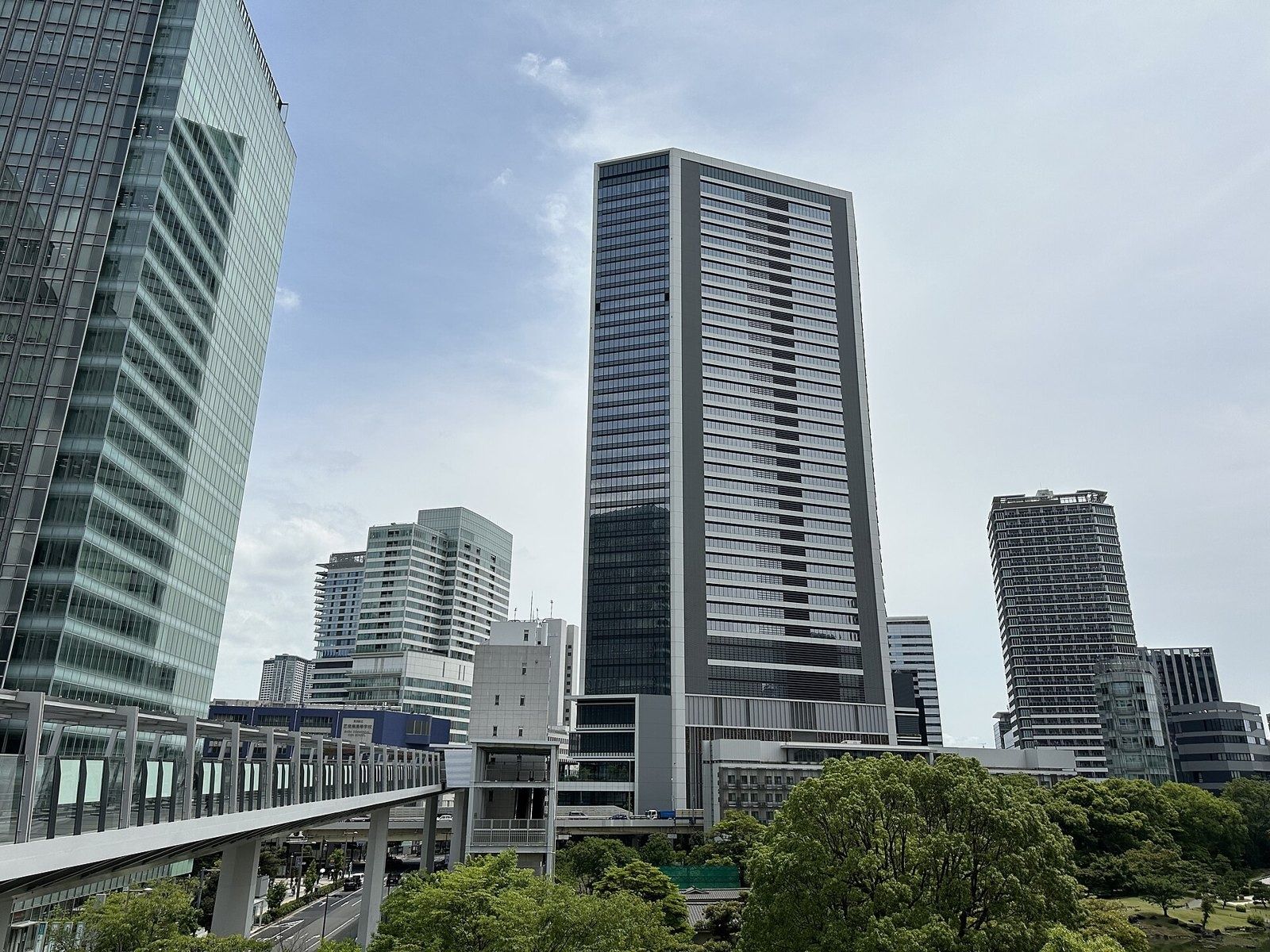
Electronics makers
More company profiles
 3MMaplewood, MinnesotaOffices, pay & benefits →
  ABN AMROAmsterdam, NetherlandsOffices, pay & benefits →
  AccentureDublin, IrelandOffices, pay & benefits →
  adidasHerzogenaurach, GermanyOffices, pay & benefits →
  AdobeSan Jose, CaliforniaOffices, pay & benefits →
  AdyenAmsterdam, NetherlandsOffices, pay & benefits →
 Photos are credited to their source. If you hold the rights or represent Sony Group and want a photo changed or removed, contact us. Updated 2026-10-10.
Sony Group's official social accounts
Accounts linked from the footer of sony.com (Sony Group Portal).