Office profile
Deutsche Bank Headquarters & offices · Frankfurt am Main, Germany
Deutsche Bank · Frankfurt am Main, Germany
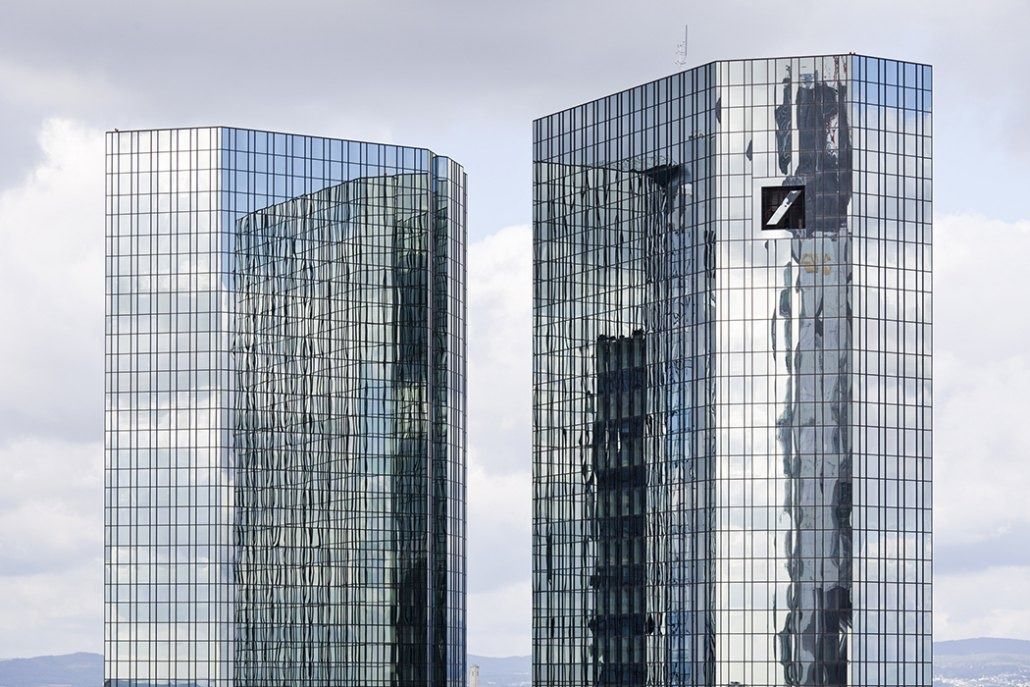
Two 155-metre towers where lifts make electricity, fresh air flows in through the logo and each floor is given to one artist.
The twin towers on the Taunusanlage, their 2011 green rebuild, the art inside and the benefits — then 150 years of head offices from Berlin to Frankfurt. Every number from Deutsche Bank's own reports, websites and the architects' project pages.
- 155 mheight of each tower
- ≈ 100artists on show, one per floor
- −50%energy use after the renovation
- 89,879employees (FTE), end of 2025
Sources: gmp project page “Deutsche Bank Towers” · db.com “Beyond beauty: buildings that work for the planet” · art.db.com “Art in the Towers” · Form 20-F 2025
Companies / Germany / Banking / Deutsche Bank
THE HEADQUARTERS · TAUNUSANLAGE 12 · RENEWED 2011
Twin towers rebuilt from the inside — with art on every floor
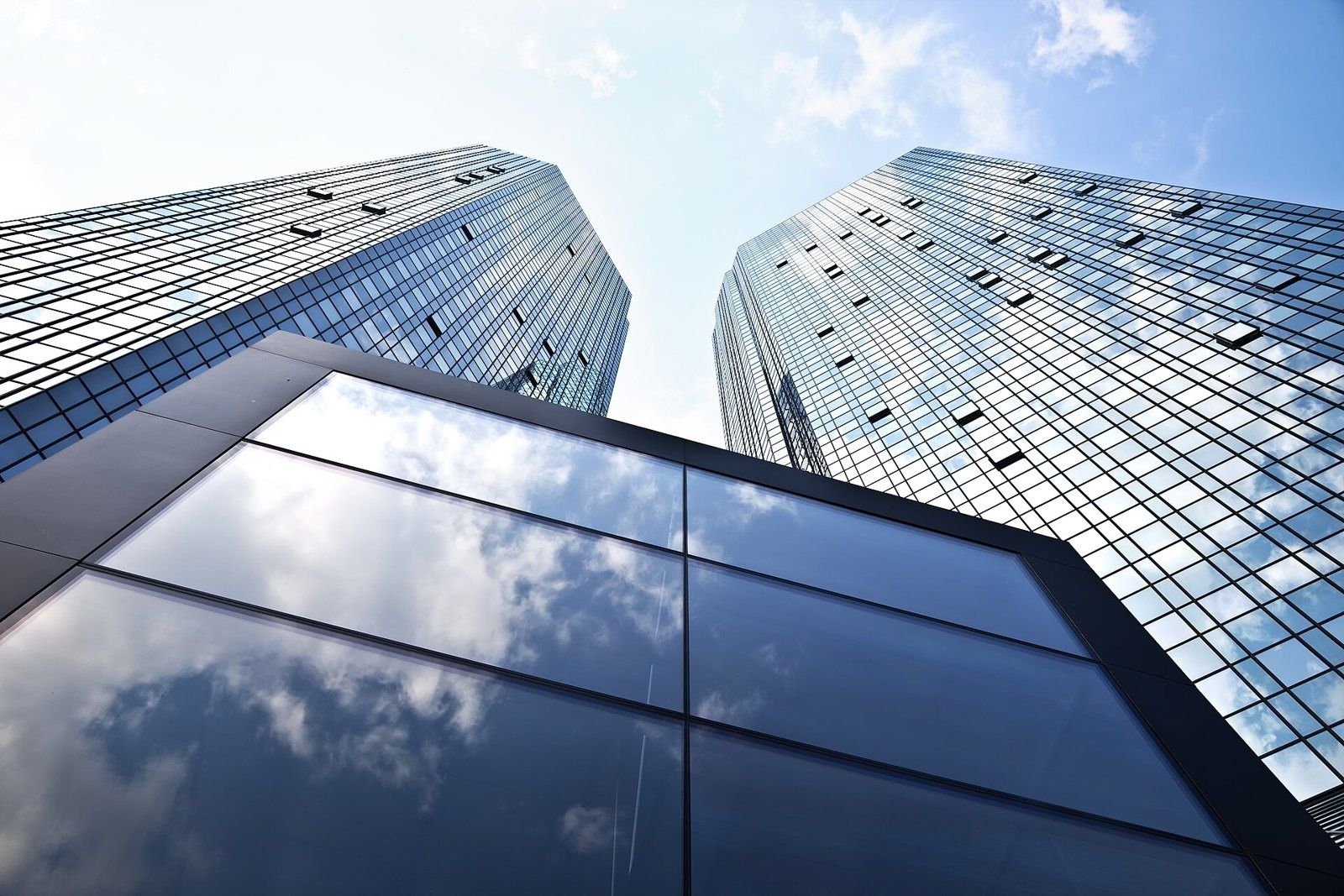
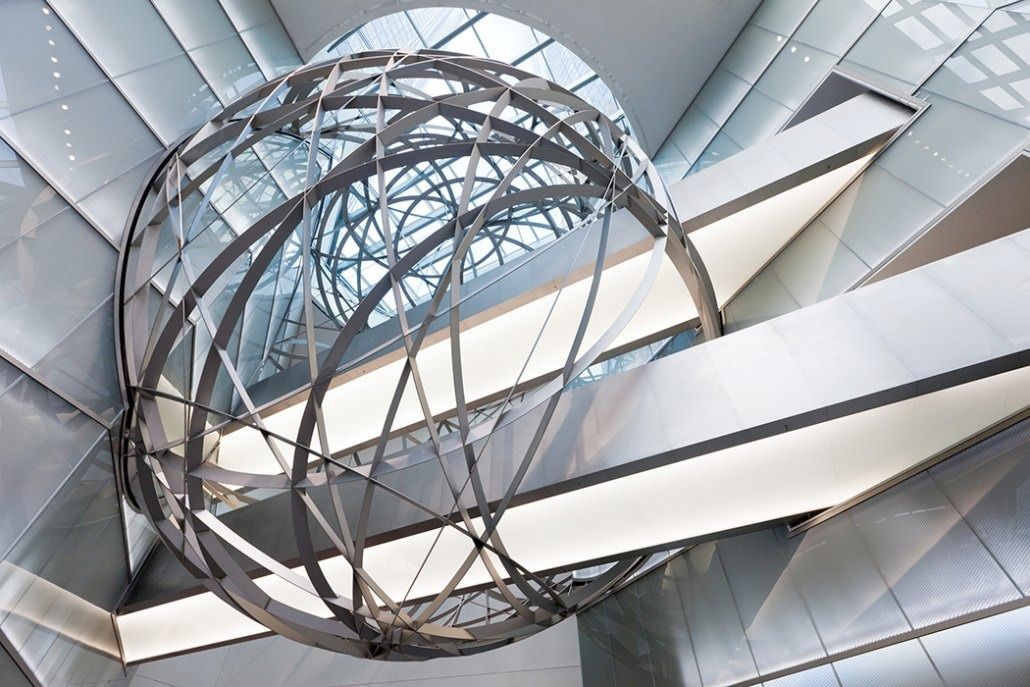
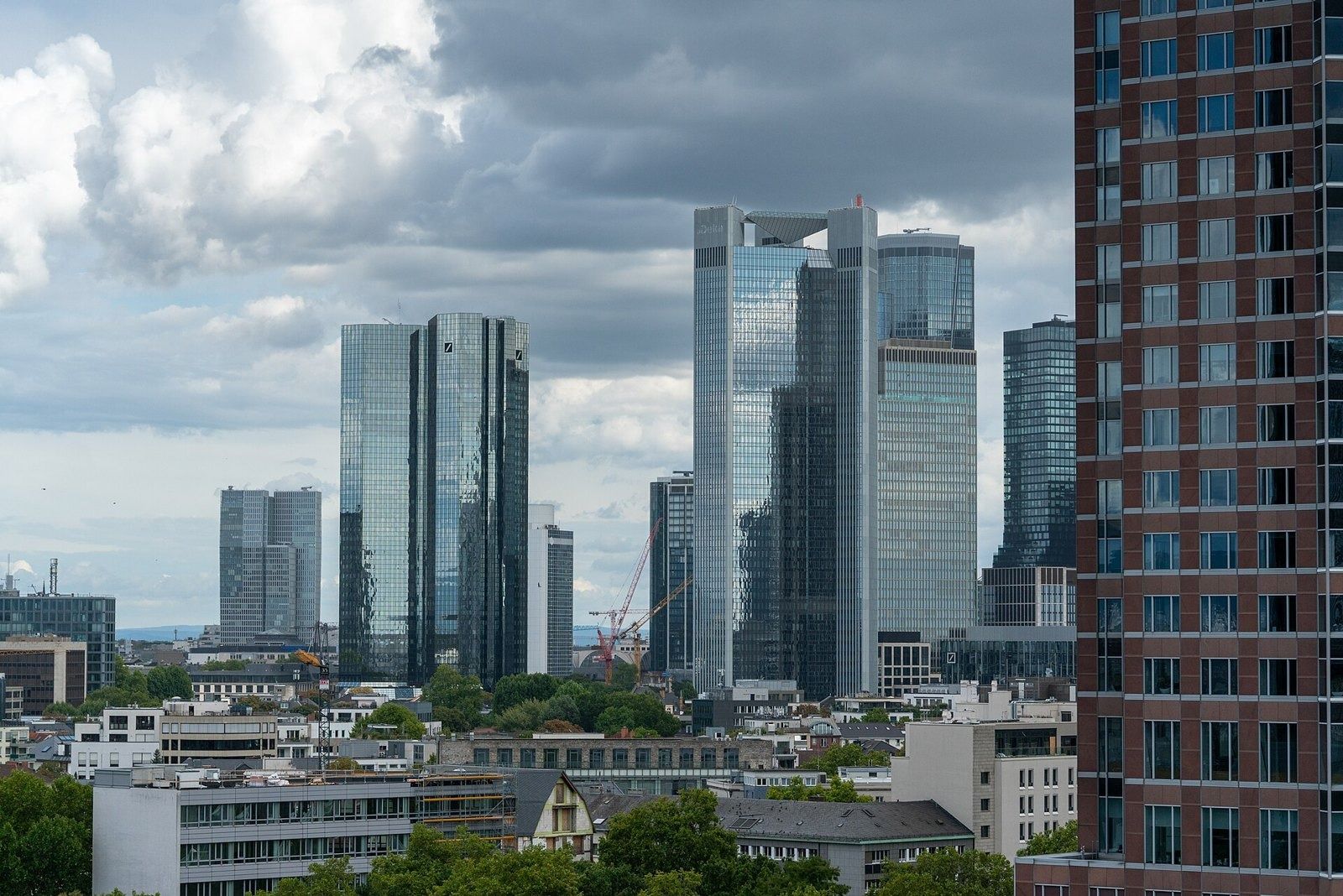
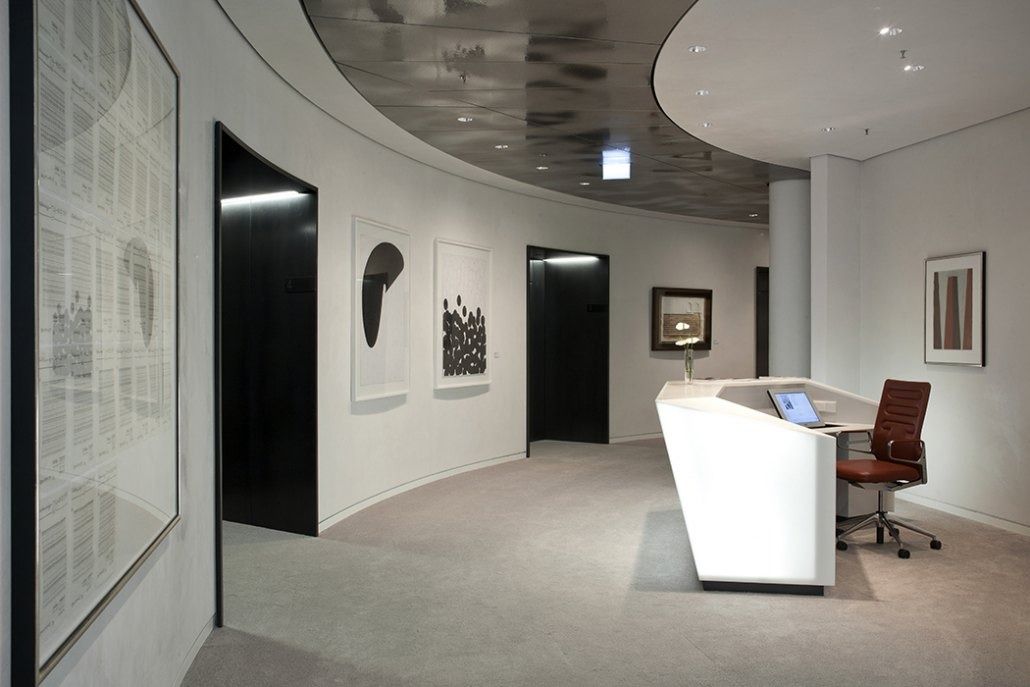
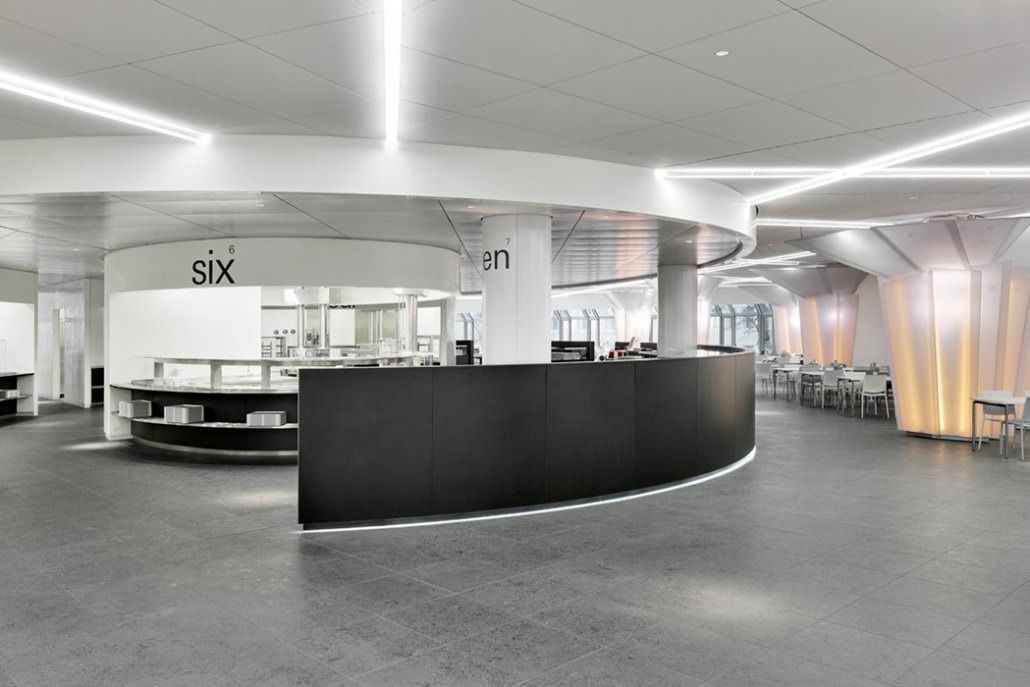
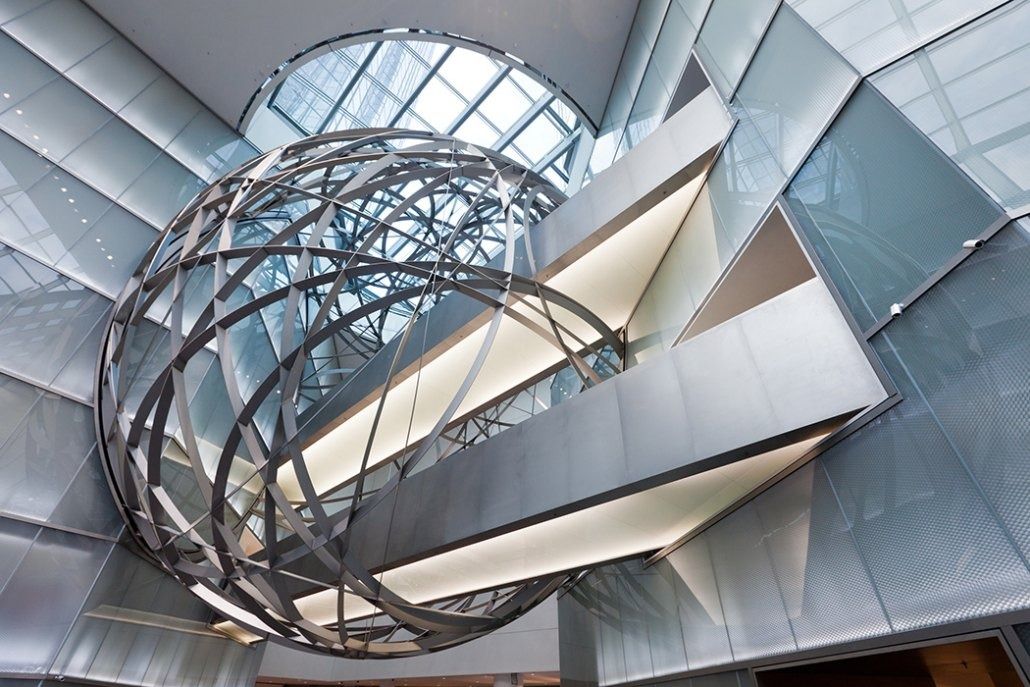
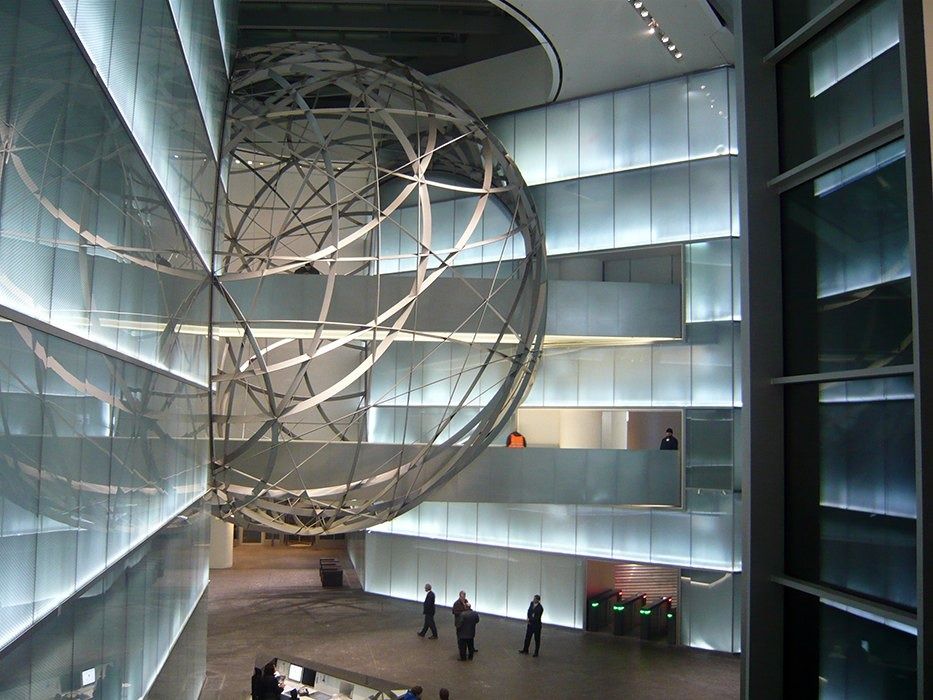
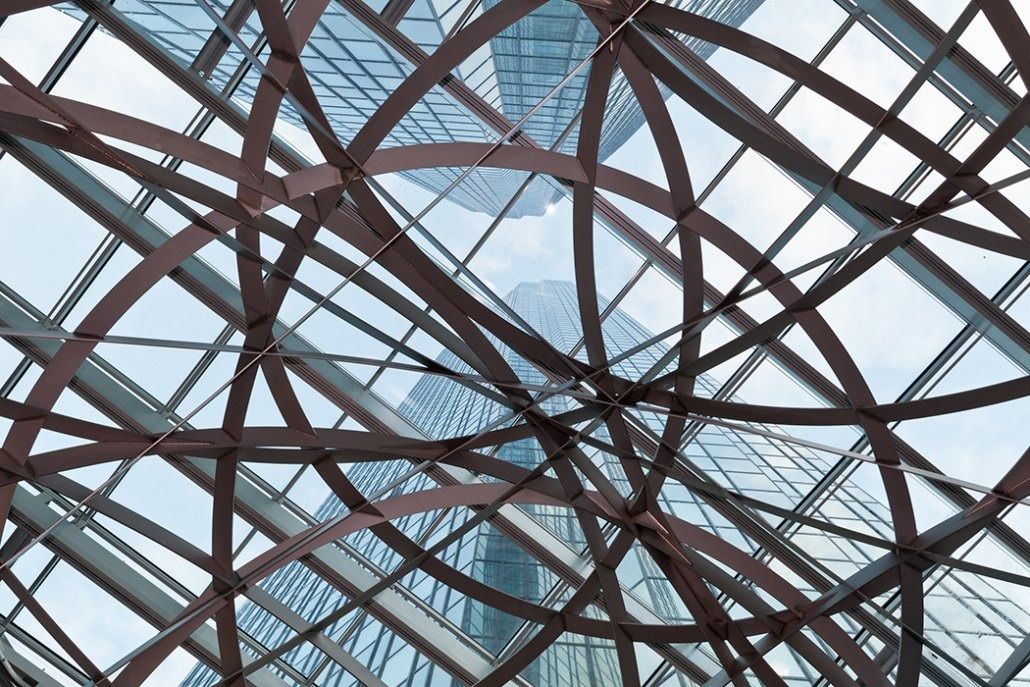
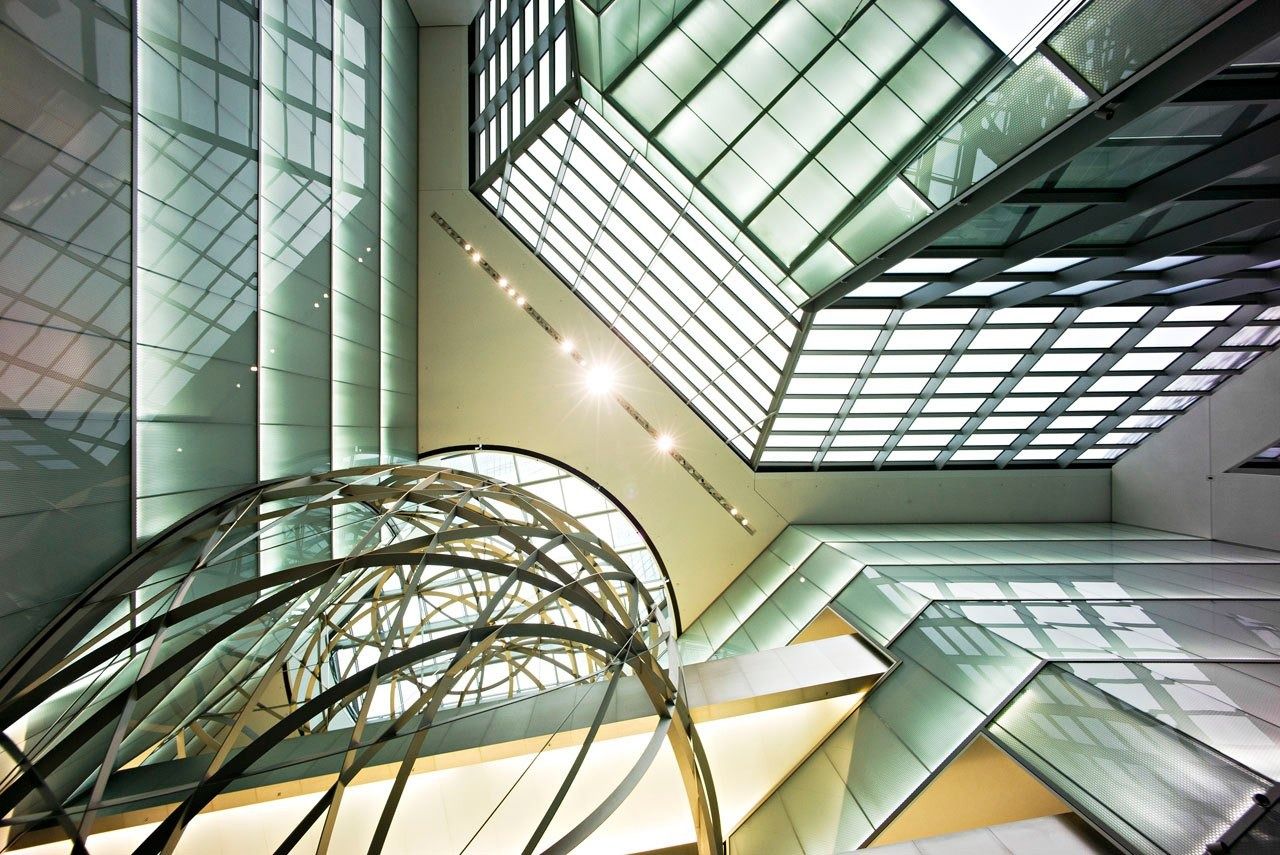
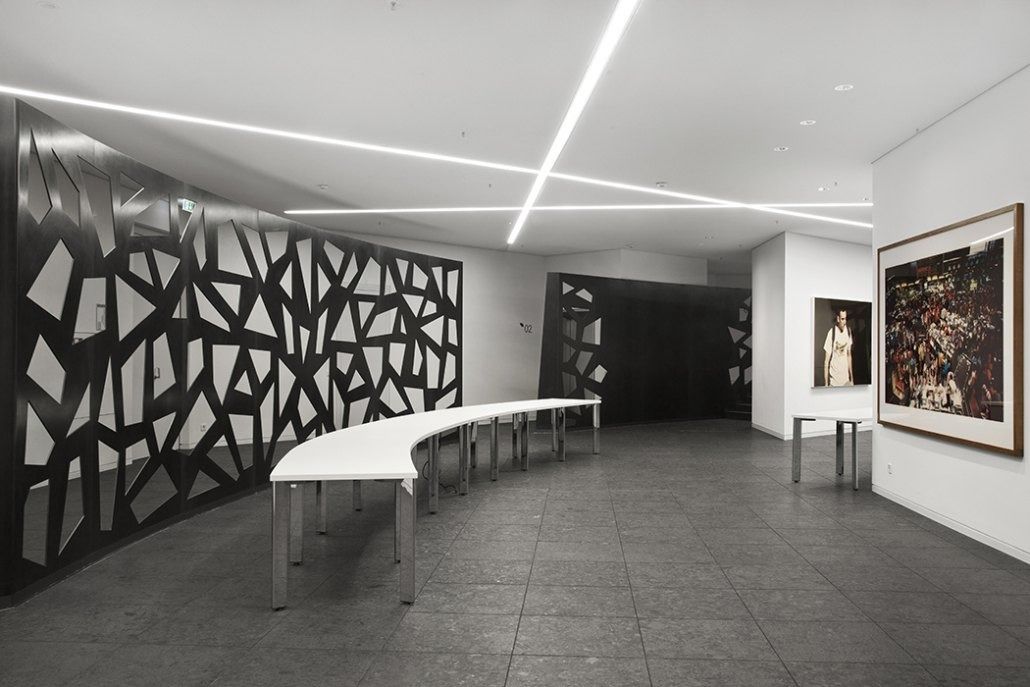
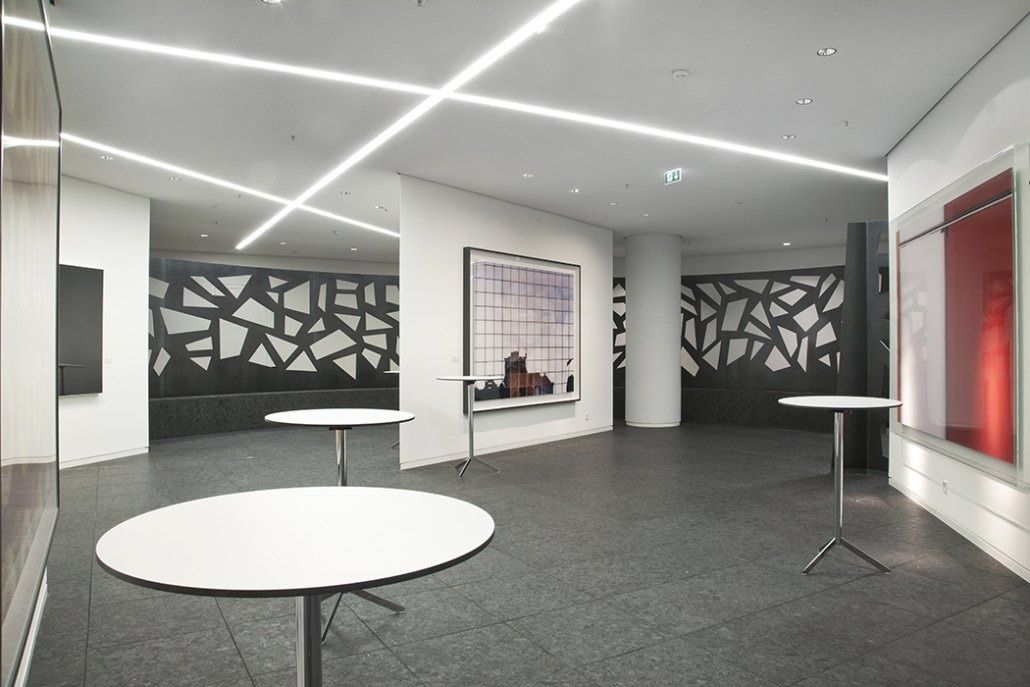
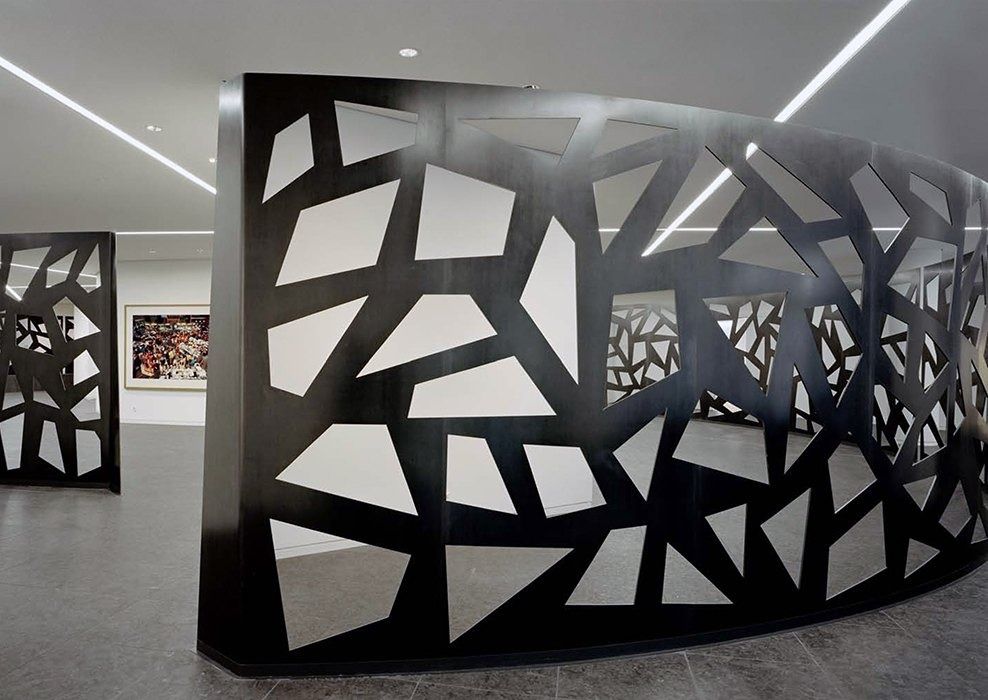
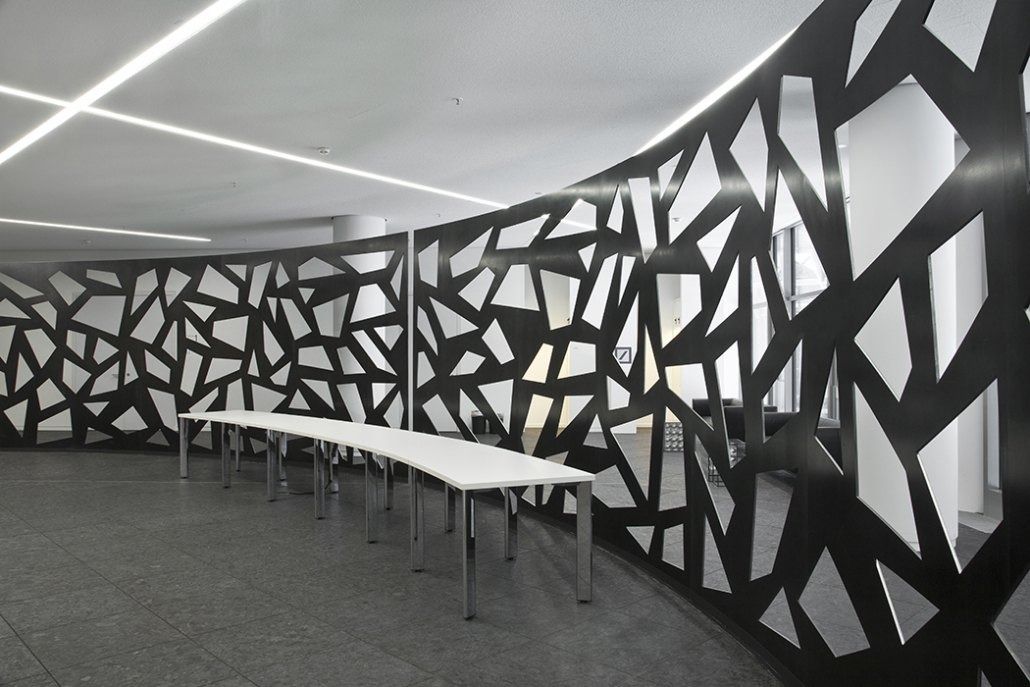
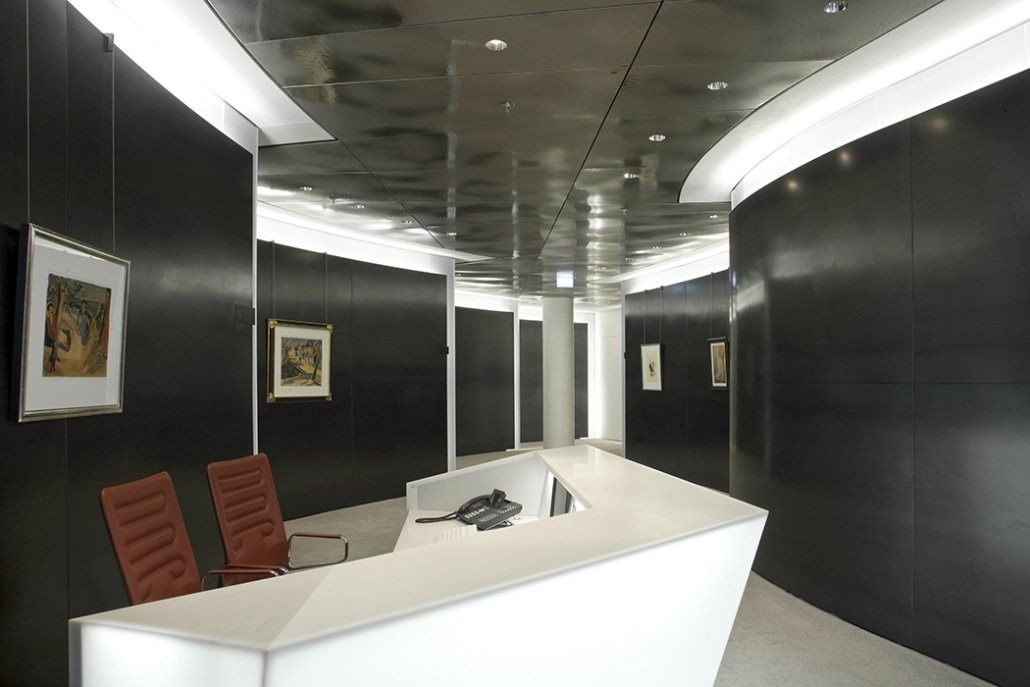
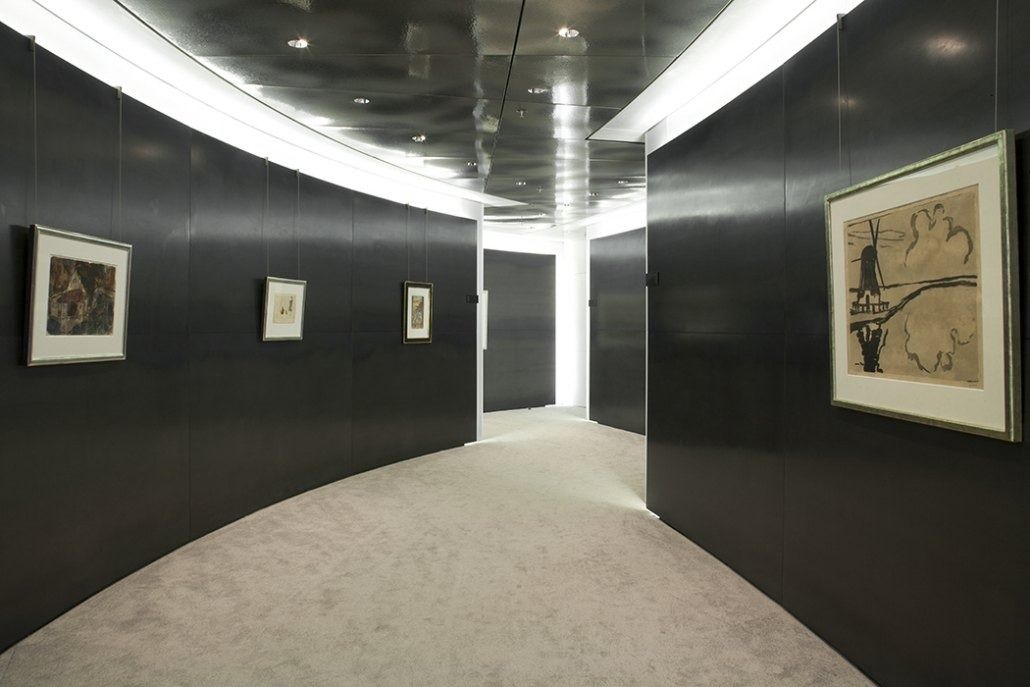
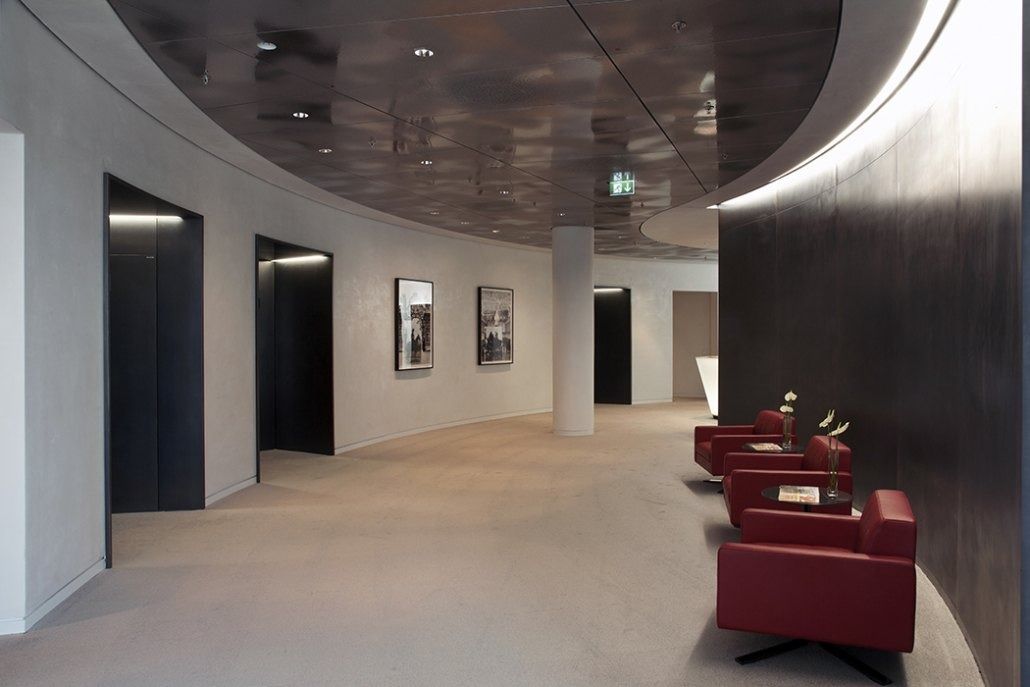
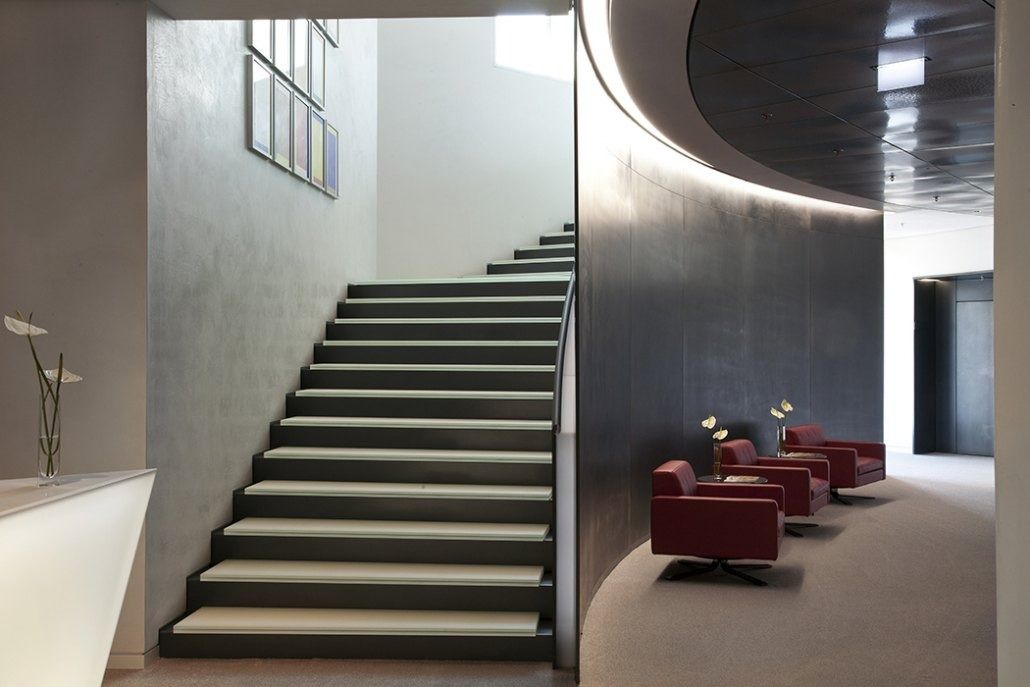
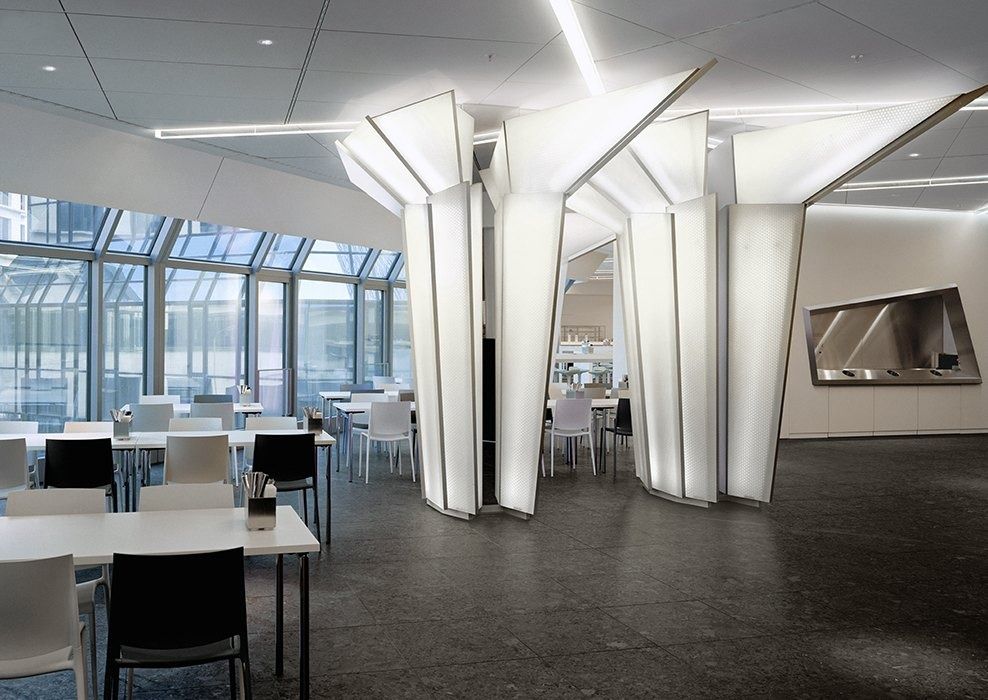
The towers opened in 1984 and were completely refurbished up to 2011: new glass facades and redesigned interiors by Mario Bellini Architects, with gmp as technical architects. Energy use halved, water use fell by more than 70% and CO₂ emissions by almost 90%. Lifts generate electricity, ice storage cools the offices, fresh air enters through the logo on the facade and windows can be opened. In the entrance stands “Sphere”, a large metal sculpture standing for the bank's global connections. Upstairs, each floor is devoted to one artist — around 100 artists from more than 40 countries, Germany and Europe in Tower A, Asia, the Americas, the Middle East and Africa in Tower B.
- 120,000 m² GFA (≈ 1.29 million sq ft)
- 2 × 155 m (≈ 509 ft)
- LEED Platinum · DGNB Gold
- Design: Mario Bellini Architects
- Technical architects: gmp
- ≈ 100 artists, one per floor
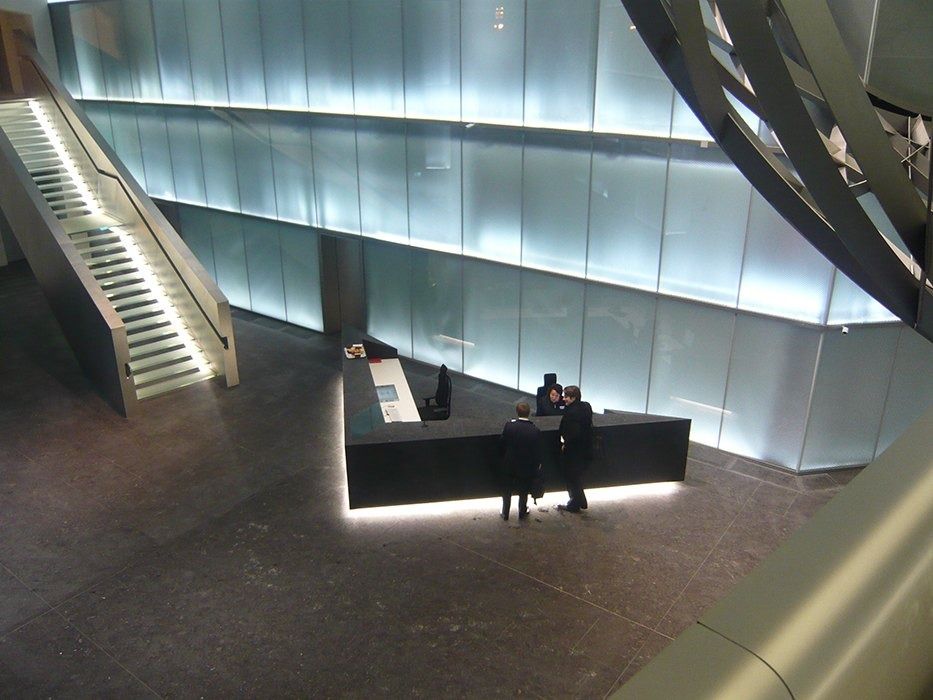
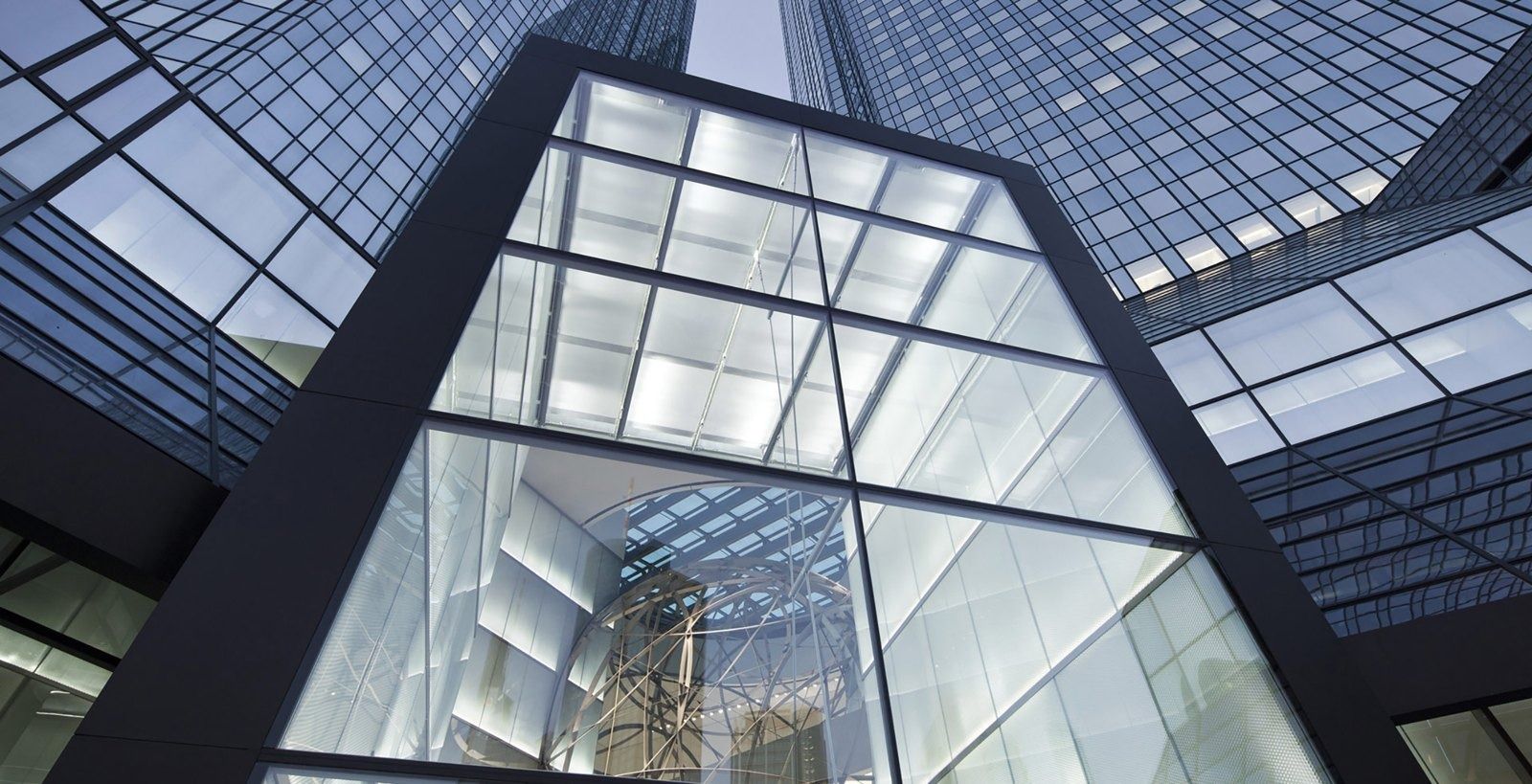
The foyer and the “Sphere” (Mario Bellini Architects)
In the entrance stands “Sphere”, a large metal sculpture standing for the bank's global connections.
Offices and meeting floors
Each floor is devoted to one artist — around 100 artists from more than 40 countries.
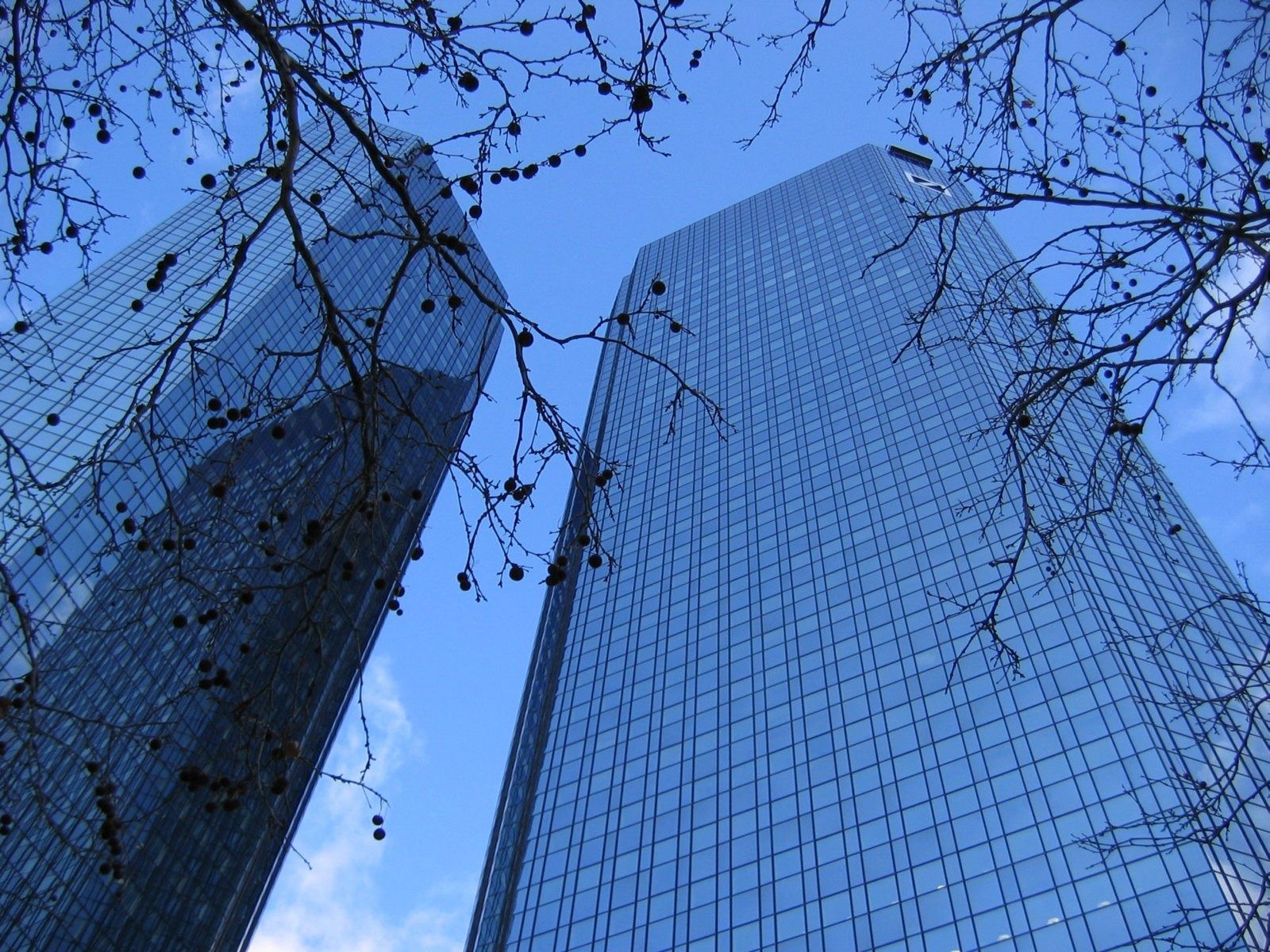
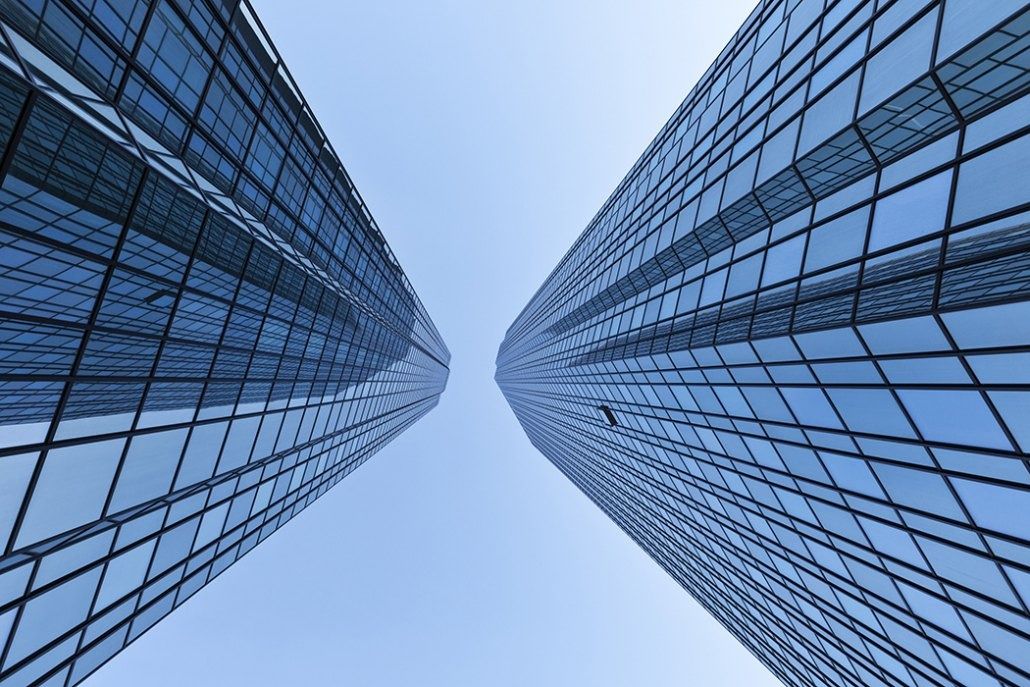
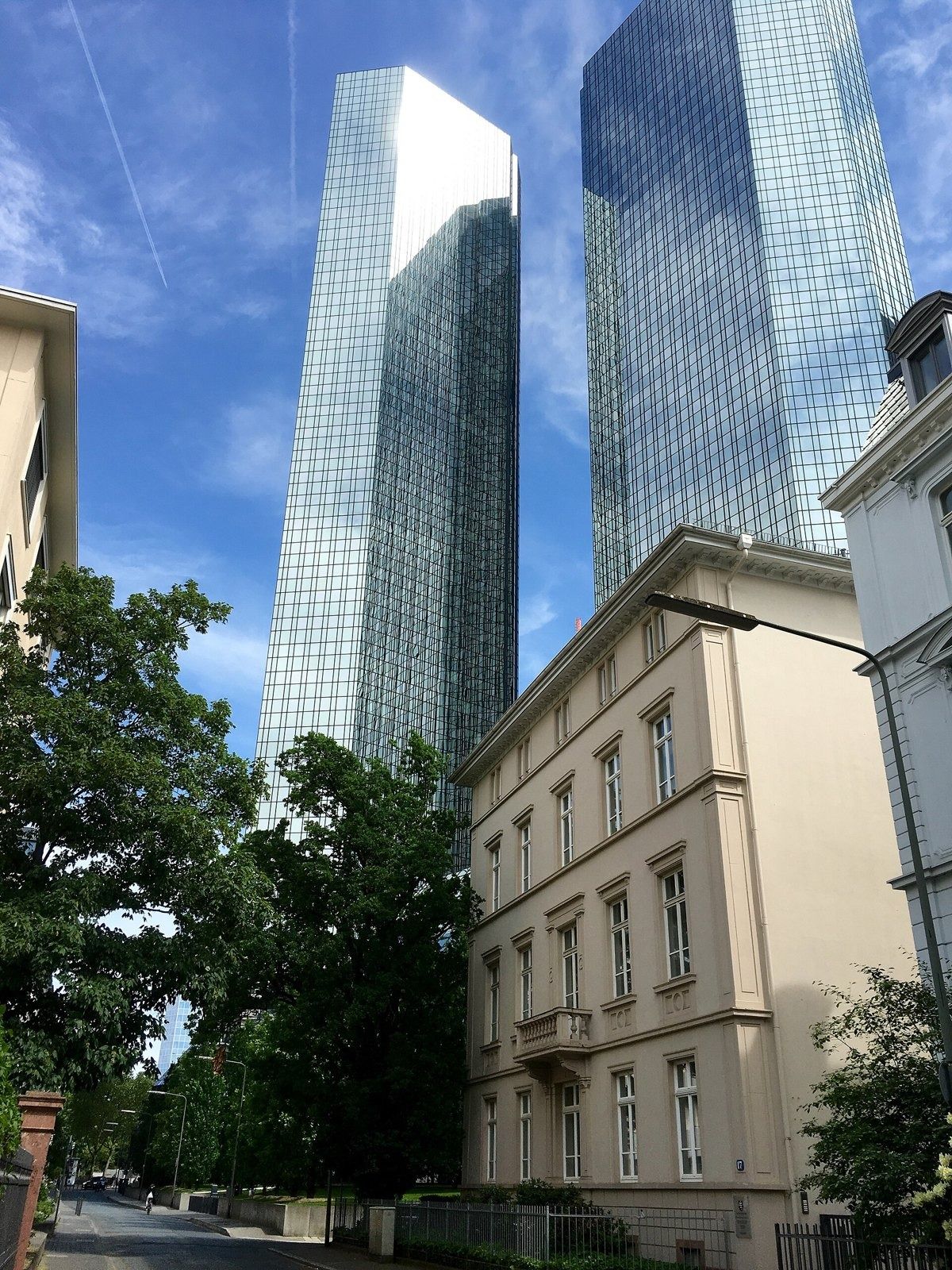
The towers from outside
The towers opened in 1984 and were completely refurbished up to 2011 with new glass facades.
Facts: gmp project page “Deutsche Bank Towers” · Mario Bellini Architects project page “Green Towers – Deutsche Bank” · db.com “Beyond beauty: buildings that work for the planet” (Nov 2025) · art.db.com “Art in the Towers”
The Taunusanlage towers
| Building | Address |
|---|---|
| Deutsche Bank Twin Towers (Towers A & B) — head office | Taunusanlage 12, 60325 Frankfurt am Main, Germany |
| Frankfurt branch (former head office, 1957–1984) | Roßmarkt 18, Frankfurt am Main, Germany |
Source: Form 20-F 2025 (registered address) · art.db.com · bankgeschichte.de (Historical Institute of Deutsche Bank), “Frankfurt am Main” · See them on the map ↓
Source: gmp project page · Mario Bellini Architects project page · Annual Report 2025, Note “Leases”
Benefits (group-wide, with regional examples)
More than 850 employee benefit plans across locations: health care, life and disability cover, parental leave, retirement plans, stock ownership, meals, transport and childcare, among others.
Share of employees entitled to family-related leave in 2025; 19.8% of them took at least one type of leave.
Fully paid for primary caregivers of newborn or adopted children, plus 2 weeks for non-primary caregivers, regardless of gender (since January 1, 2025).
Up to 16 weeks of paid parental leave for birth or adoption; birthing parents also get 2 weeks of antepartum leave (2025).
Of the internal workforce is in scope of the hybrid model, which is live in 41 countries; the number of remote days depends on role, activity and country.
Childcare near workplaces in the major global hubs, contributions to childcare costs and lactation rooms in many locations.
Pension contribution plans, banking services for employees, insurance, company bicycles or public-transport perks.
Average training hours per employee in 2025 (2.1 million hours in total); €483 of external training spend per FTE.
Source: Annual Report 2025, Sustainability Statement “Own workforce” · careers.db.com “Well-being & Benefits” and “Hybrid working and beyond” · Deutsche Bank media release, Mar 11, 2025 (Middle East & Africa) · 2025 DB Benefit Highlights (U.S.)
Why people stay: what Deutsche Bank itself reports
Unchanged from 2024. Voluntary turnover was 6.2%; in Germany total turnover was 7.8%.
More than a third of vacancies in 2025 went to internal candidates; openings are advertised internally for at least two weeks.
Share of employees who say the hybrid model has a positive impact on how they do their job.
Year-end result 72.05% against a Group target of 61.97%, measured through the People Survey.
Christian Sewing joined Deutsche Bank as an apprentice in 1989 and became CEO in 2018.
Source: Annual Report 2025, “Own workforce” · careers.db.com “Hybrid working and beyond” · db.com Management Board and message from Christian Sewing (Apr 9, 2018)
Who works here
nationalities in 55 countries
FTE in Germany, the largest country
women among Managing Directors, Directors and VPs
branches, 64% of them in Germany
Source: Annual Report 2025 (“Employees”, “Own workforce”) · Form 20-F 2025
Office history: from one rented floor in Berlin to the Frankfurt towers
- 1870 Französische Straße 21, Berlin
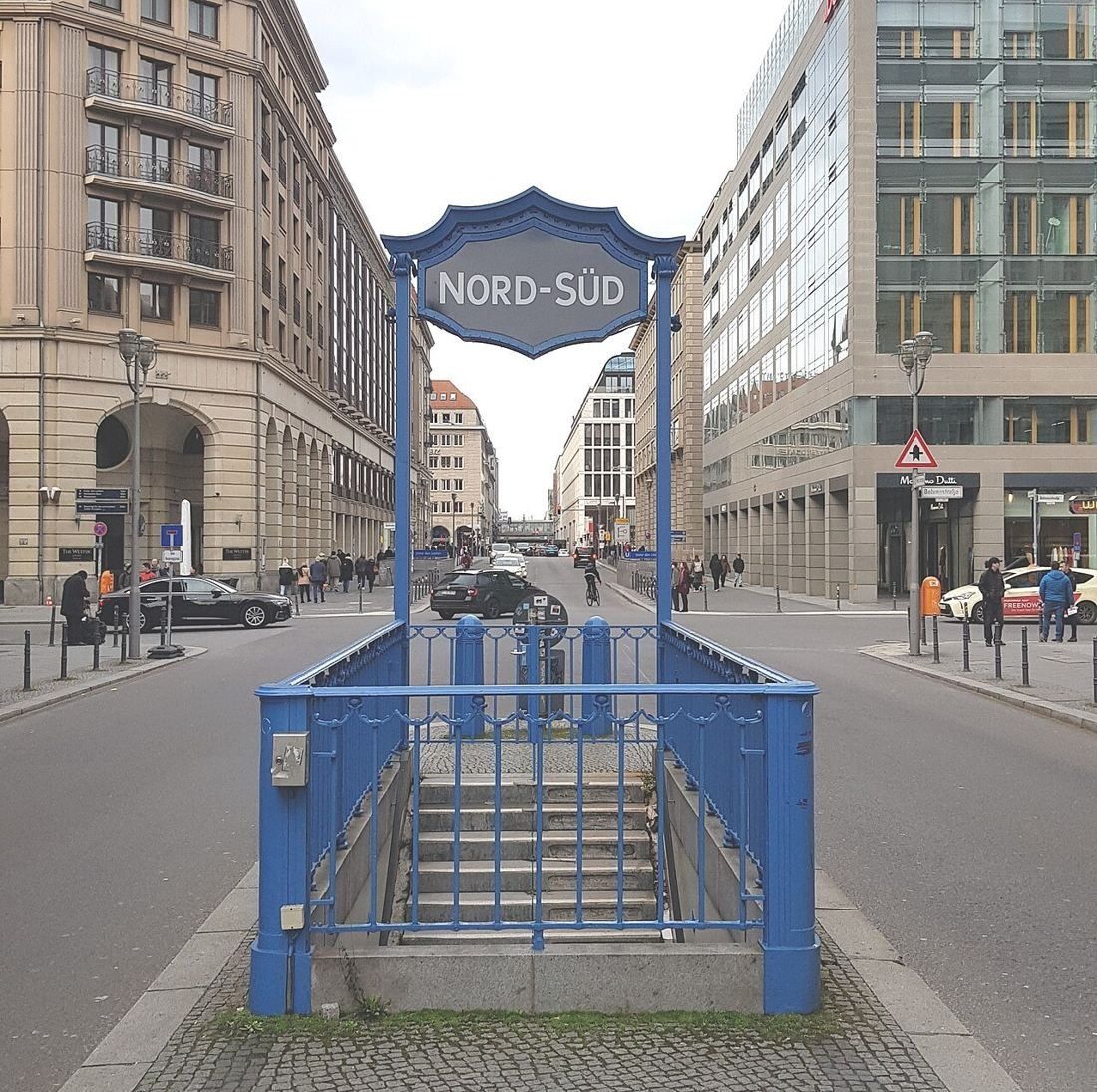
Deutsche Bank was founded on March 10, 1870 by 76 shareholders and opened for business on April 9, 1870 in rented rooms at Französische Straße 21, an ordinary-looking building near Unter den Linden.
Source: db.com History FAQ · country.db.com (Japan) history · bankgeschichte.de “Locations”
Französische Straße, Berlin, 2024 · Karsten Hoffmeyer / CC BY-SA 4.0 · Wikimedia Commons - 1871 Burgstraße, near the Berlin stock exchange
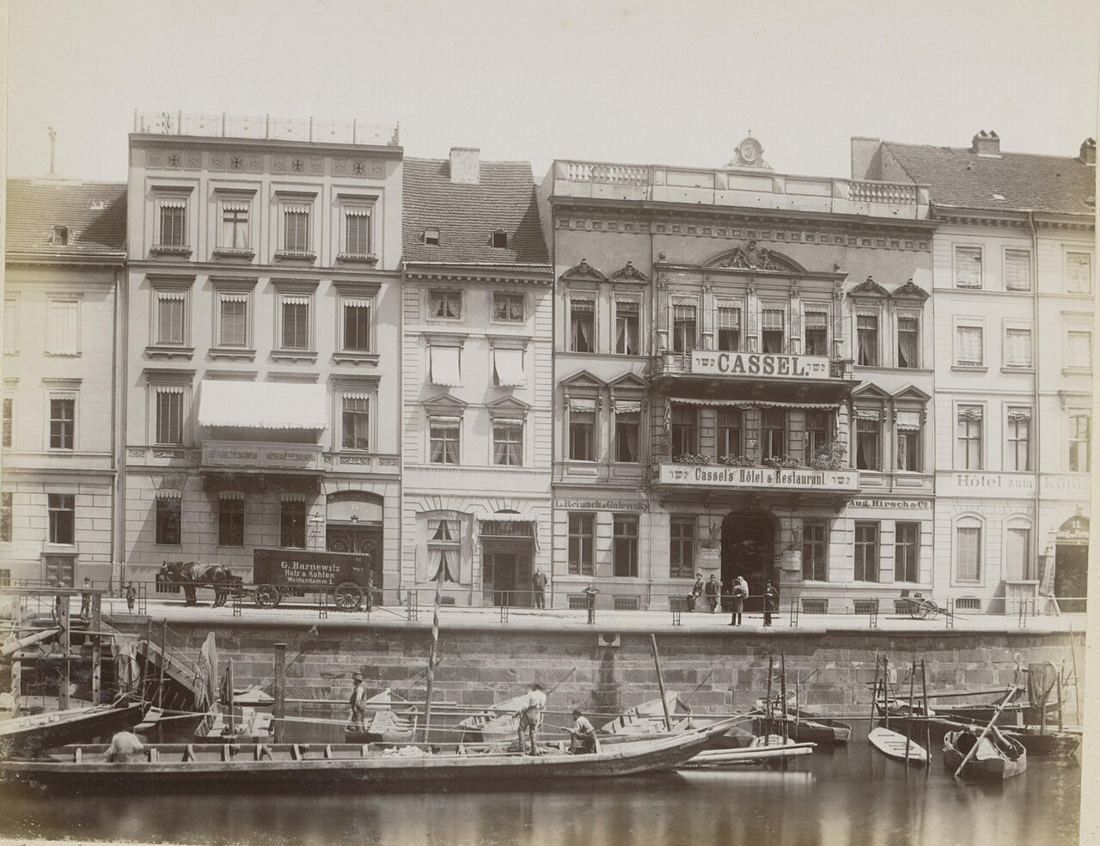
About a year later the staff of about 50 moved closer to the Berlin stock exchange. The bank's historians place this building on Burgstraße, where a city deposit office stayed after the head office moved on.
Source: country.db.com (Japan) history · bankgeschichte.de “Standorte”
Burgstraße 13–15, Berlin, 1886 · Friedrich Albert Schwartz / Public domain · Wikimedia Commons - 1876 Behrenstraße, Berlin — the palace-like head office
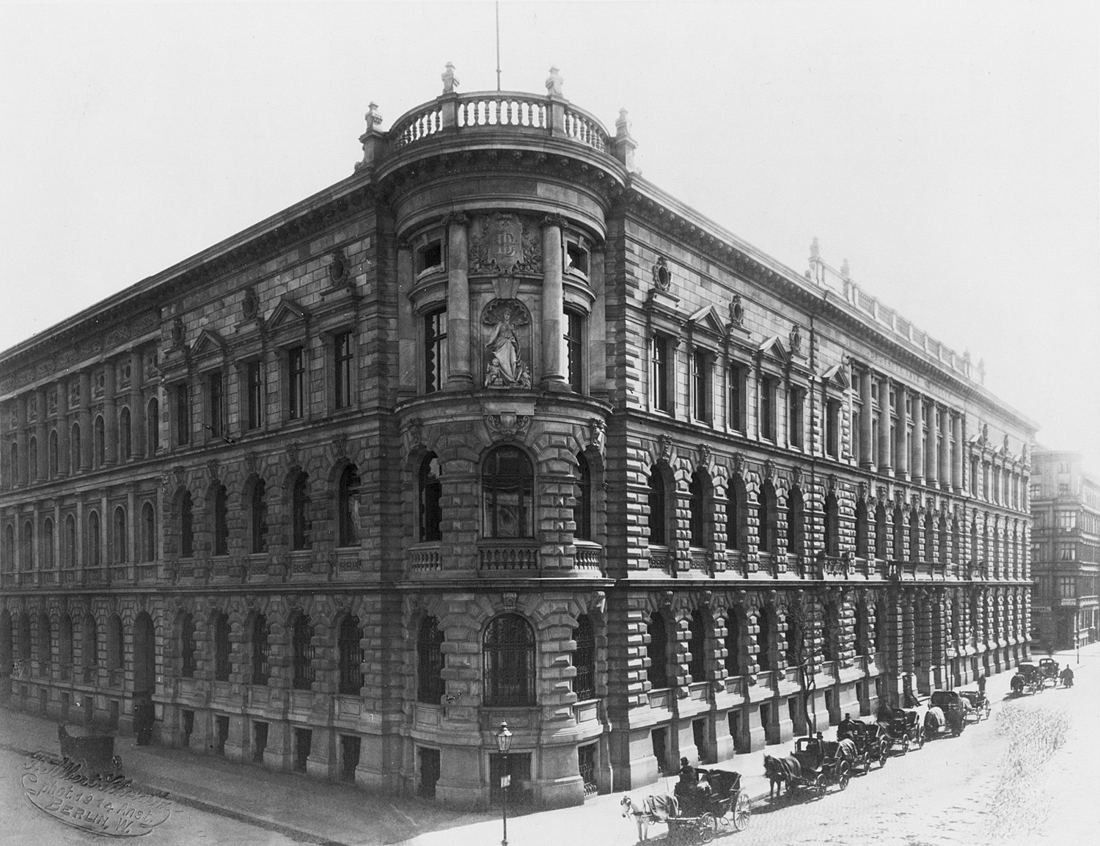
After taking over Deutsche Union-Bank, the bank moved into its building on Behrenstraße and in 1876 began a new head office on the block between Behrenstraße, Mauerstraße and Französische Straße, later extended by architect Wilhelm Martens into a palace-like head office of several blocks.
Source: country.db.com (Japan) history · bankgeschichte.de “Locations” and site-portrait book page
Deutsche Bank, Behrenstraße corner Mauerstraße, Berlin, 1895 · Friedrich Albert Schwartz / Public domain · Wikimedia Commons - 1947–1957 Roßmarkt 18, Frankfurt — successor banks
After the Second World War the Allies broke up the big banks. The Frankfurt building at Roßmarkt 18 (built 1903/04, rebuilt 1947) served as headquarters of Hessische Bank, from 1952 Süddeutsche Bank.
Source: bankgeschichte.de (Historical Institute of Deutsche Bank), “Frankfurt am Main”
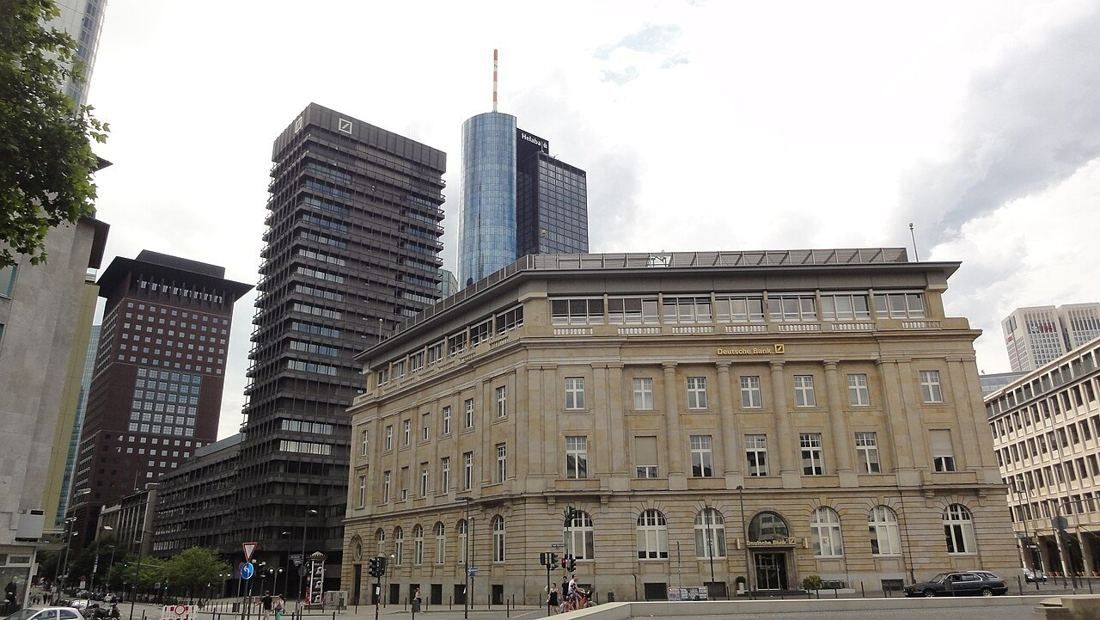
Roßmarkt 18, Frankfurt, 2014 · User:Mattes / CC BY 2.0 de · Wikimedia Commons - 1957 Reunited, with its head office in Frankfurt
In 1957 the successor banks merged and Deutsche Bank was re-established as one institution, now headquartered in Frankfurt. The head office and the Frankfurt branch shared Roßmarkt 18 and spread step by step toward Junghofstraße and Große Gallusstraße.
Source: bankgeschichte.de, “Frankfurt am Main”
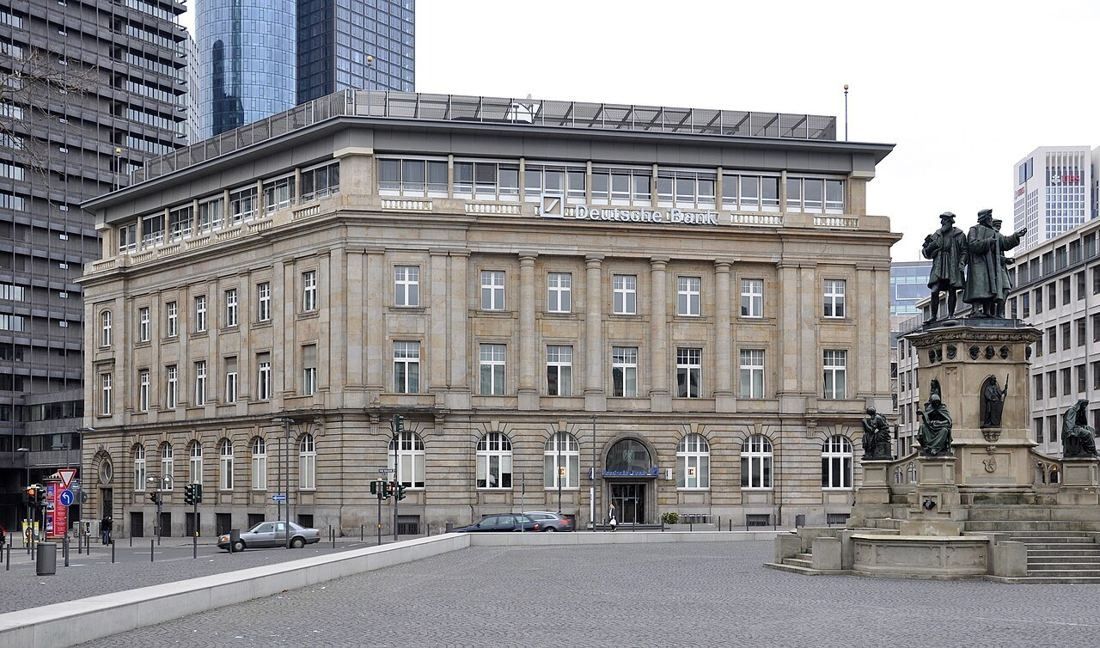
Deutsche Bank, Roßmarkt, Frankfurt, 2011 · Photo: Andreas Praefcke / CC BY 3.0 · Wikimedia Commons - 1984 The twin towers at the Taunusanlage
The head office moved into the two 155-metre towers at Taunusanlage 12. The Frankfurt branch stayed at Roßmarkt 18.
Source: bankgeschichte.de, “Frankfurt am Main” · gmp project page
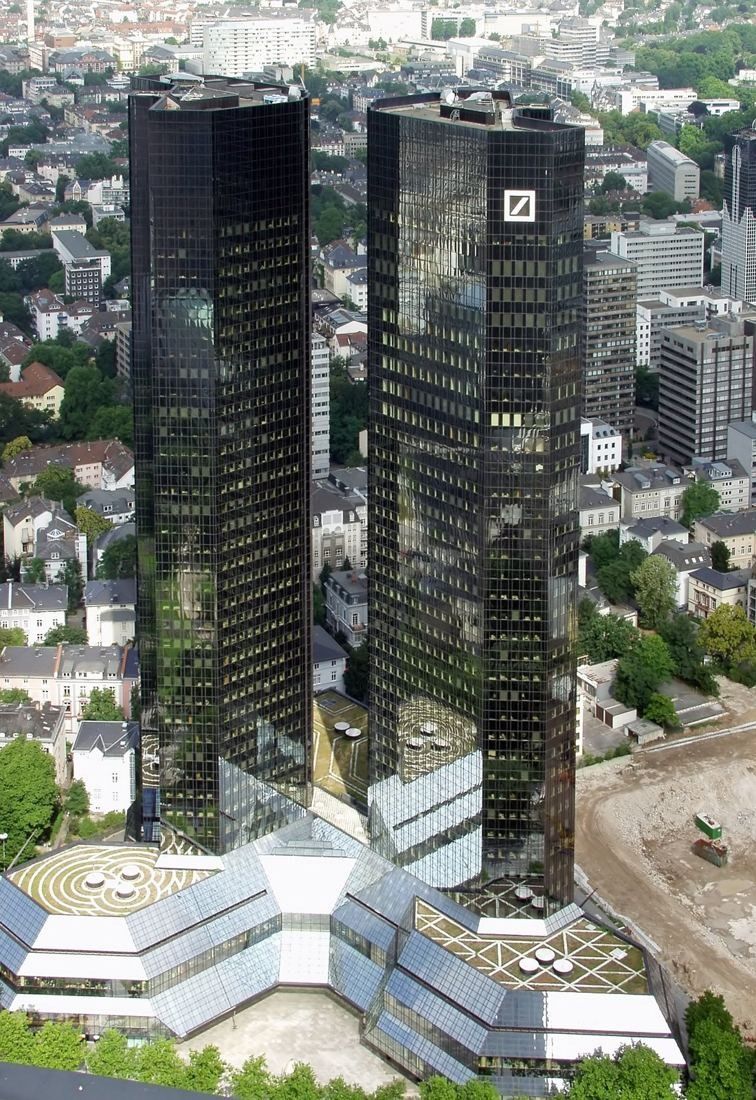
Twin towers, Taunusanlage 12, Frankfurt, 2003 · Raimond Spekking / CC BY-SA 4.0 · Wikimedia Commons - 2011 Rebuilt as the “Greentowers”
After a full refurbishment — new facades, new interiors, LEED Platinum and DGNB Gold — the towers reopened in 2011. On December 1, 2011 the bank sold the headquarters and leased it back.
Source: gmp project page · Mario Bellini Architects · db.com · Annual Report 2025, Note “Leases”
No free-to-use photo found yet.Have one? We’d love to add it.
Map: how the headquarters moved
Three Berlin addresses in six years, then a jump of about 420 km to Frankfurt after the war. Since 1957 the head office has stayed in Frankfurt's banking district — Roßmarkt and the Taunusanlage are a few hundred metres apart.
- 1 · 1870Französische Straße 21, Berlin — First rented office
- 2 · 1871Burgstraße, Berlin — Near the Berlin stock exchange
- 3 · 1876Behrenstraße / Mauerstraße, Berlin — Head office block until after the Second World War
- 4 · 1957Roßmarkt 18, Frankfurt am Main — Head office of the reunited bank
- 5 · 1984Taunusanlage 12, Frankfurt am Main — The twin towers — headquarters today
Addresses: bankgeschichte.de · country.db.com history · db.com History FAQ · Form 20-F 2025
What Deutsche Bank does
Founded in Berlin in 1870 to finance foreign trade, Deutsche Bank is today Germany's largest bank and calls itself the “Global Hausbank”: corporate banking, investment banking, private banking and asset management (DWS).
Four business divisions — Corporate Bank, Investment Bank, Private Bank and Asset Management — plus Corporate & Other.
Where the money came from · Net revenues by division, 2025
Source: Annual Report 2025, Operating and financial review (segment results)
Source: Annual Report 2025 (Group results) · per-employee figure calculated by eciffo
Growth: revenue vs. people
€24.3B → €32.1B
84,659 → 89,879
Net revenues and full-time-equivalent employees at December 31: Annual Report 2022 (2020–2022, as presented there) and Annual Report 2025 (2023–2025). Multiples calculated by eciffo.
Chief executives
Joined as an apprentice in 1989; Management Board member since January 2015; CEO since April 2018. His contract has been extended to 2029.
Sewing's predecessor; left the bank at the end of April 2018.
Founded on March 10, 1870 in Berlin by 76 founding shareholders; Ludwig Bamberger and Adelbert Delbrück were among the driving forces.
Source: db.com Management Board · db.com media release, Apr 8, 2018 · db.com History FAQ · Annual Report 2025
Deutsche Bank: questions people ask
Where is Deutsche Bank's headquarters?
At Taunusanlage 12, 60325 Frankfurt am Main, Germany — the twin towers next to the Taunusanlage park in Frankfurt's banking district. The head office moved there in 1984.
Source: Form 20-F 2025 · bankgeschichte.de
Who designed the Deutsche Bank towers renovation?
Mario Bellini Architects won the invited competition and designed the new exterior and interiors; gmp (Volkwin Marg and Hubert Nienhoff) were the technical architects. The renovation was finished in 2011.
Source: Mario Bellini Architects · gmp project page
How big is the Deutsche Bank headquarters?
The two towers are 155 metres (≈ 509 ft) tall each, with a gross floor area of 120,000 m² (≈ 1.29 million sq ft).
Source: gmp project page
Why are they called the “Greentowers”?
After the refurbishment, energy use halved, water use fell by more than 70% and CO₂ emissions by almost 90%. The towers hold LEED Platinum and DGNB Gold certificates; lifts generate electricity and windows can be opened.
Source: db.com · gmp project page · Mario Bellini Architects
Can you visit the Deutsche Bank towers?
Yes, through guided art tours of the Deutsche Bank Collection in the towers: “I Like Mondays” (first Monday of the month, 7.30 pm) and “Happy Weekend” (first Friday, 6 pm), each one hour for up to 30 people, with registration.
Source: art.db.com “Art in the Towers”
What art is inside the Deutsche Bank towers?
Each floor is devoted to one artist — around 100 artists from more than 40 countries. Tower A shows German and European artists; Tower B shows artists from Asia, the Americas, the Middle East and Africa.
Source: art.db.com “Art in the Towers”
Does Deutsche Bank allow hybrid or remote work?
Yes. Its hybrid model lets eligible staff work remotely for part of their time, depending on role, activity and country. It is live in 41 countries and covers 95% of the internal workforce.
Source: careers.db.com “Hybrid working and beyond”
What benefits does Deutsche Bank offer?
More than 850 benefit plans worldwide, from health care and pensions to childcare. Examples: up to 26 weeks of fully paid parental leave for primary caregivers in the Middle East and Africa, and up to 16 weeks of paid parental leave in the U.S.
Source: Annual Report 2025 · Deutsche Bank media release, Mar 11, 2025 · 2025 DB Benefit Highlights
How many people work at Deutsche Bank?
89,879 full-time-equivalent employees at the end of 2025, from 160 nationalities in 55 countries. About 33,400 FTE work in Germany.
Source: Annual Report 2025 · Form 20-F 2025
Who is Deutsche Bank's CEO?
Christian Sewing, CEO since April 2018. He joined the bank as an apprentice in 1989.
Source: db.com Management Board
You have seen the office, the benefits and the pay
Want to work at Deutsche Bank?
See open jobs on Deutsche Bank's careers site ↗Or keep exploring: compare these benefits and offices with other companies below.
Deutsche Bank in our features
- Germany · 19 companies19 German Company Headquarters, From Munich to Wolfsburg
- History · 97 companies97 Companies Founded Before 1900: Where They Started and Where They Work Now
- Banking · 32 companiesInside 32 Bank and Insurance Headquarters
- History · 275 companiesThen and Now: 275 Companies’ Early Offices Next to Today’s Headquarters
- Europe · 92 companies92 European Company Headquarters, From Munich to Stockholm
- Benefits · 319 companiesPerks at 319 Big Companies: What They Offer to Keep People
- History · 130 companiesWhere 130 Famous Companies Started: Garages, Shops and One-Room Offices
- Inside the office · 194 companiesInside 194 Company Cafeterias and Office Cafés
- Architecture · 216 companies216 Company Headquarters Designed by Famous Architects
You may also like
Other global banks
 HSBCLondon, United KingdomOffices, pay & benefits →
  BarclaysLondon, United KingdomOffices, pay & benefits →
  JPMorganChaseNew York, New YorkOffices, pay & benefits →
  Goldman SachsNew York, New YorkOffices, pay & benefits →
  Morgan StanleyNew York, New YorkOffices, pay & benefits →
  CitigroupNew York, New YorkOffices, pay & benefits →
 Also headquartered in Germany
More company profiles
 3MMaplewood, MinnesotaOffices, pay & benefits →
  ABN AMROAmsterdam, NetherlandsOffices, pay & benefits →
  AccentureDublin, IrelandOffices, pay & benefits →
  adidasHerzogenaurach, GermanyOffices, pay & benefits →
  AdobeSan Jose, CaliforniaOffices, pay & benefits →
  AdyenAmsterdam, NetherlandsOffices, pay & benefits →
 Photos are credited to their source. If you hold the rights or represent Deutsche Bank and want a photo changed or removed, contact us. Updated 2026-10-10.
Deutsche Bank's official social accounts
Accounts linked from careers.db.com.