Office profile
Telefónica Headquarters & offices · Madrid, Spain
Telefónica · Madrid, Spain
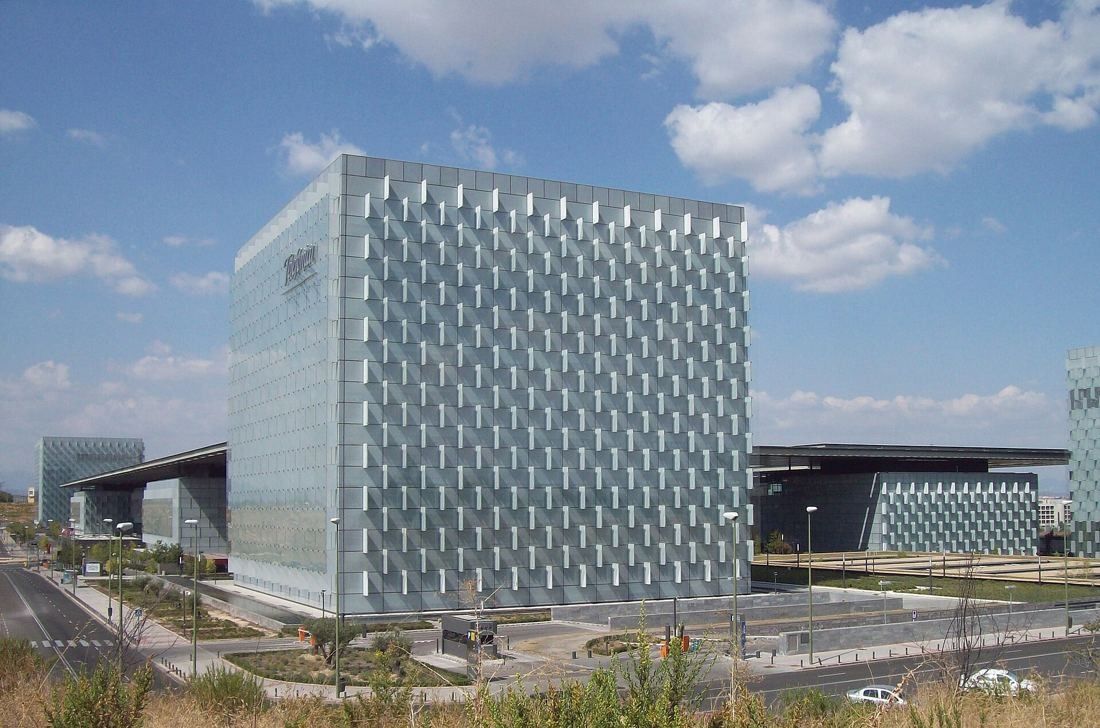
A walled campus for 14,000 people around a lake, four themed garden squares and 16,000 solar panels on the roofs.
Distrito Telefónica, the campus in Las Tablas that replaced the 1929 Gran Vía skyscraper as headquarters in 2008 — then the people, the perks and 100 years of office history. Every number from Telefónica's own website, its SEC filings and the architect.
- 390,000 m²built area at Distrito Telefónica
- 168,500 m²of land, 60,900 m² of it green
- 2 daystelework a week in Spain
- 100,870employees, end of 2024
Sources: Rafael de La-Hoz project page · telefonica.com blog (Feb 2024) · jobs.telefonica.com (Telefónica España) · Form 20-F FY2024
Companies / Spain / Telecommunications / Telefónica
THE HEADQUARTERS · DISTRITO TELEFÓNICA · 2008
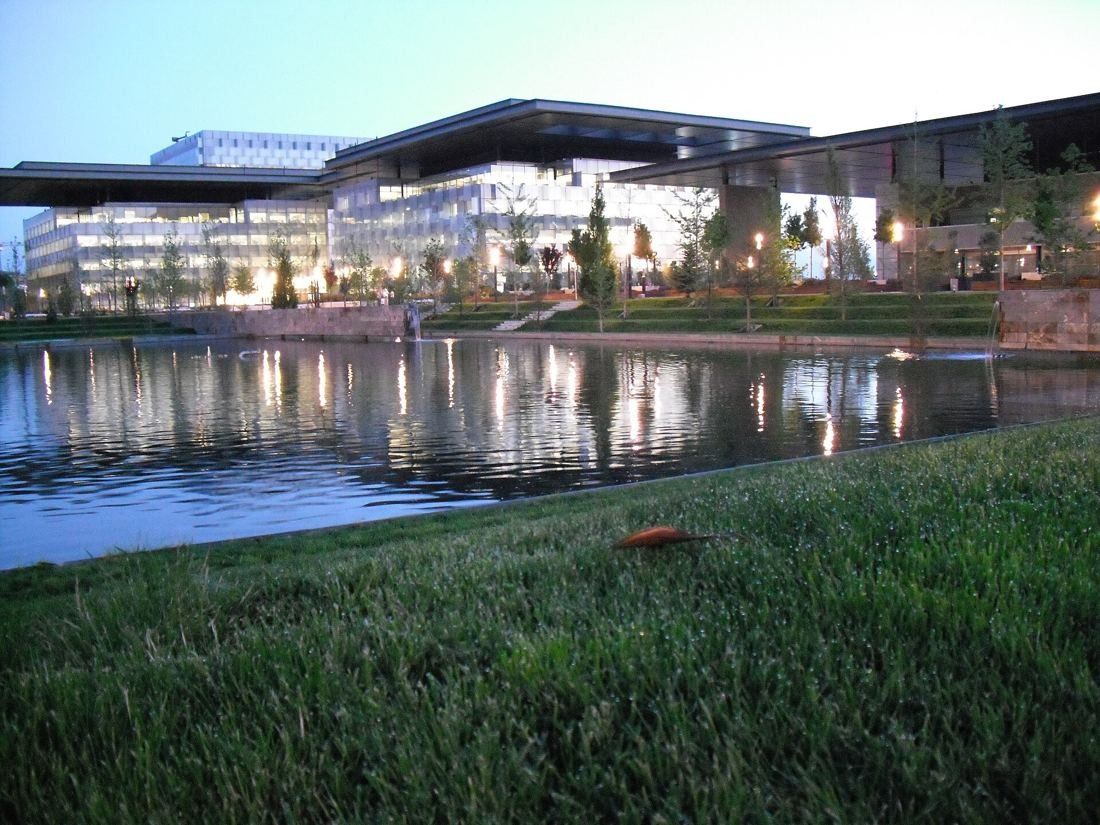
A campus built like a village around a lake
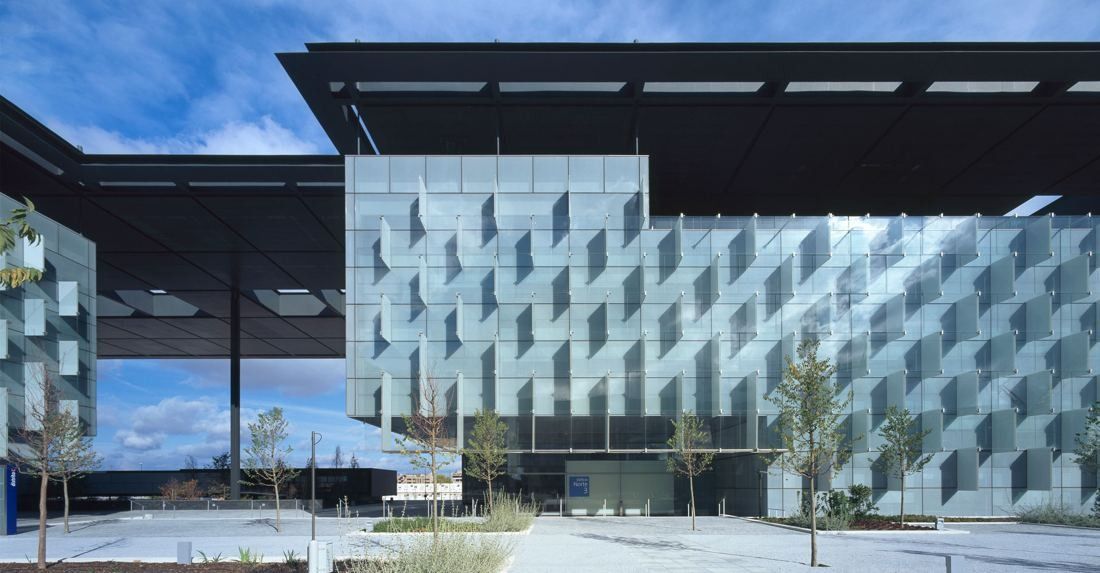
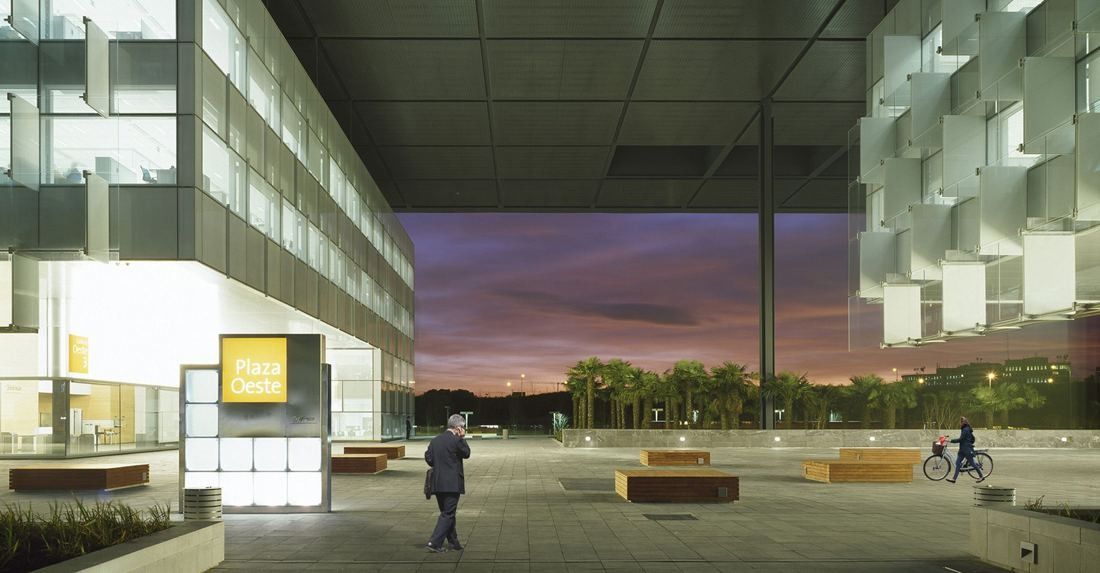
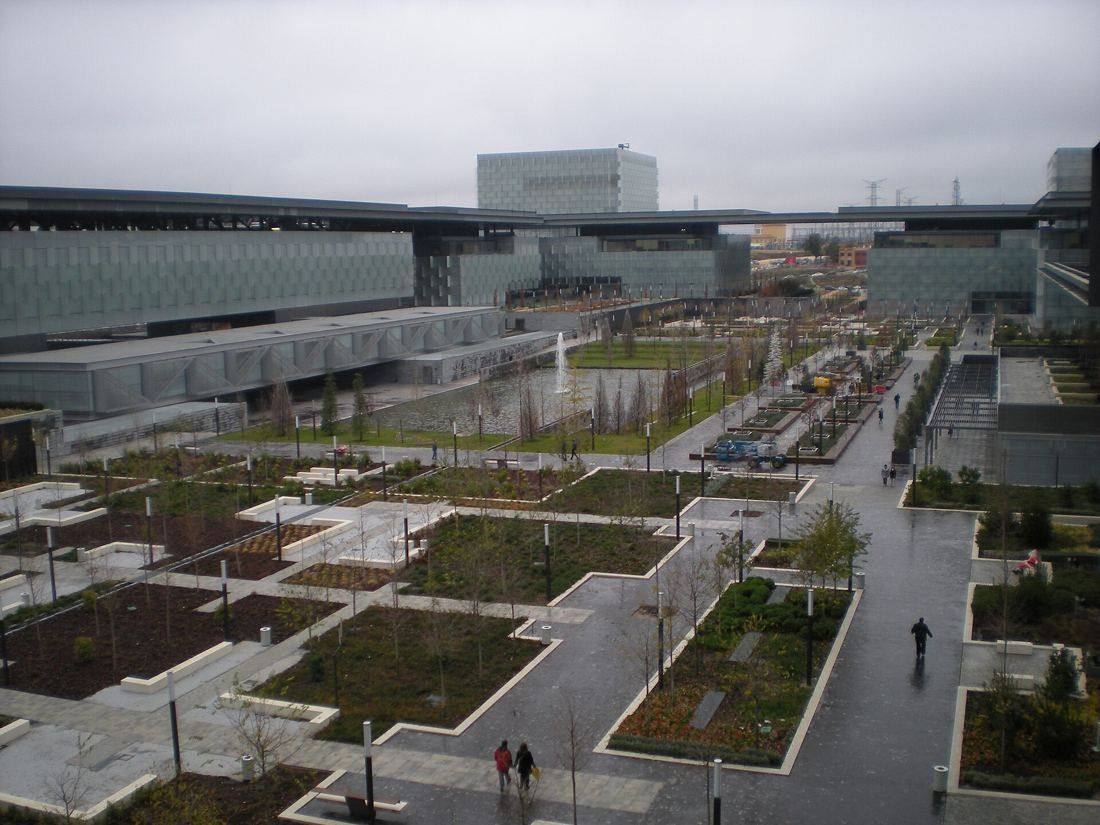
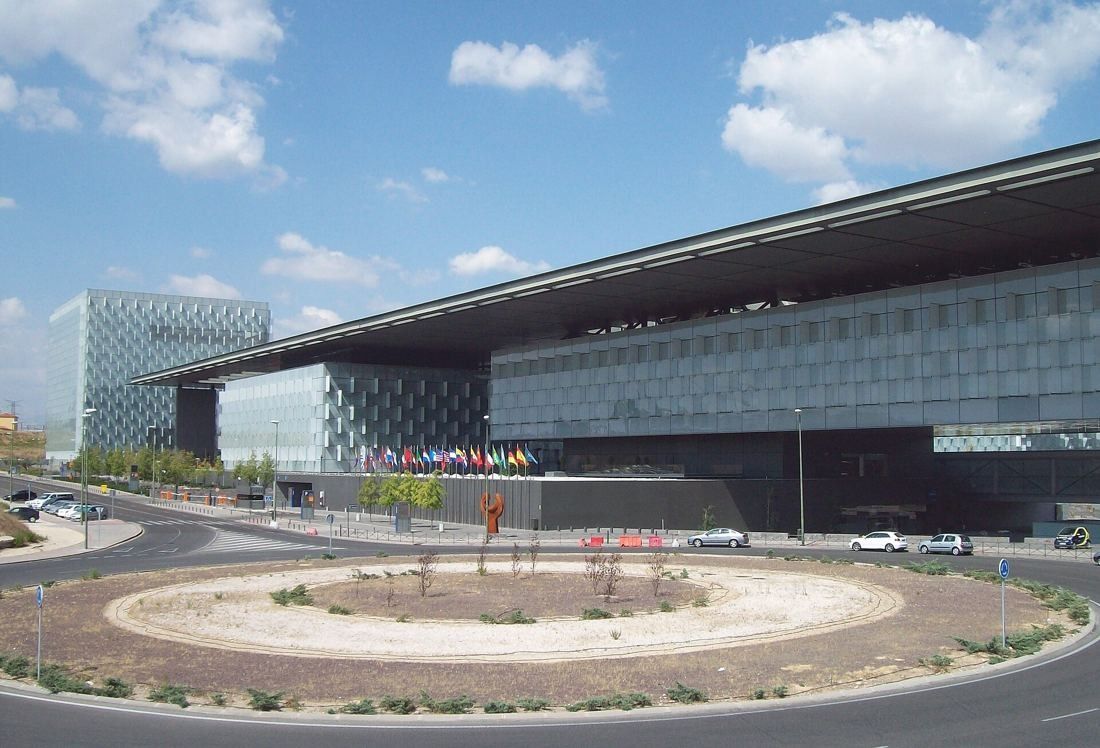
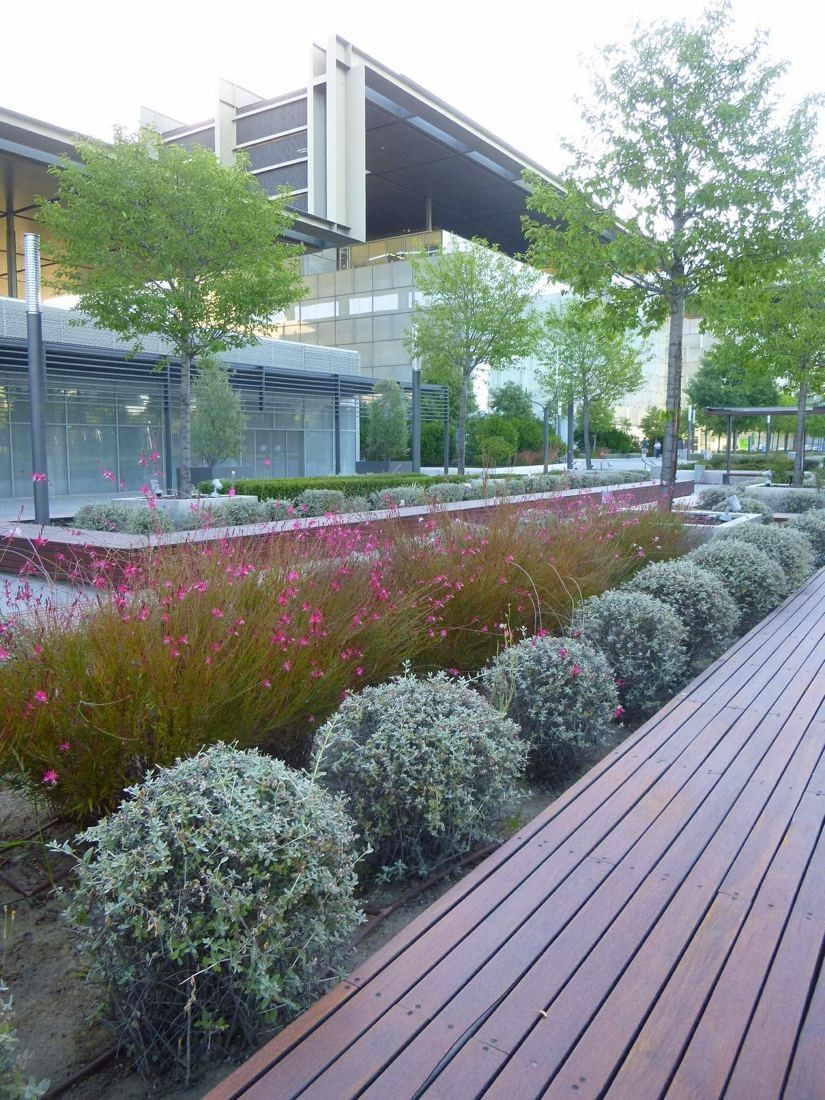
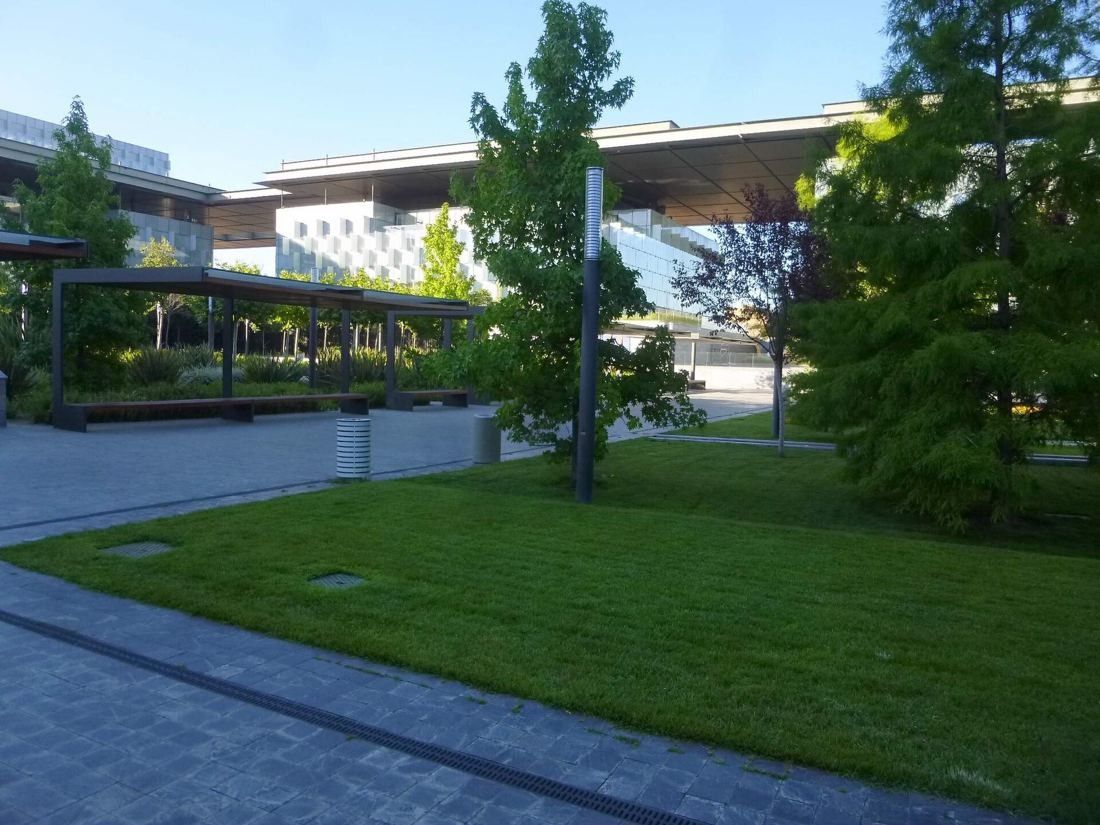
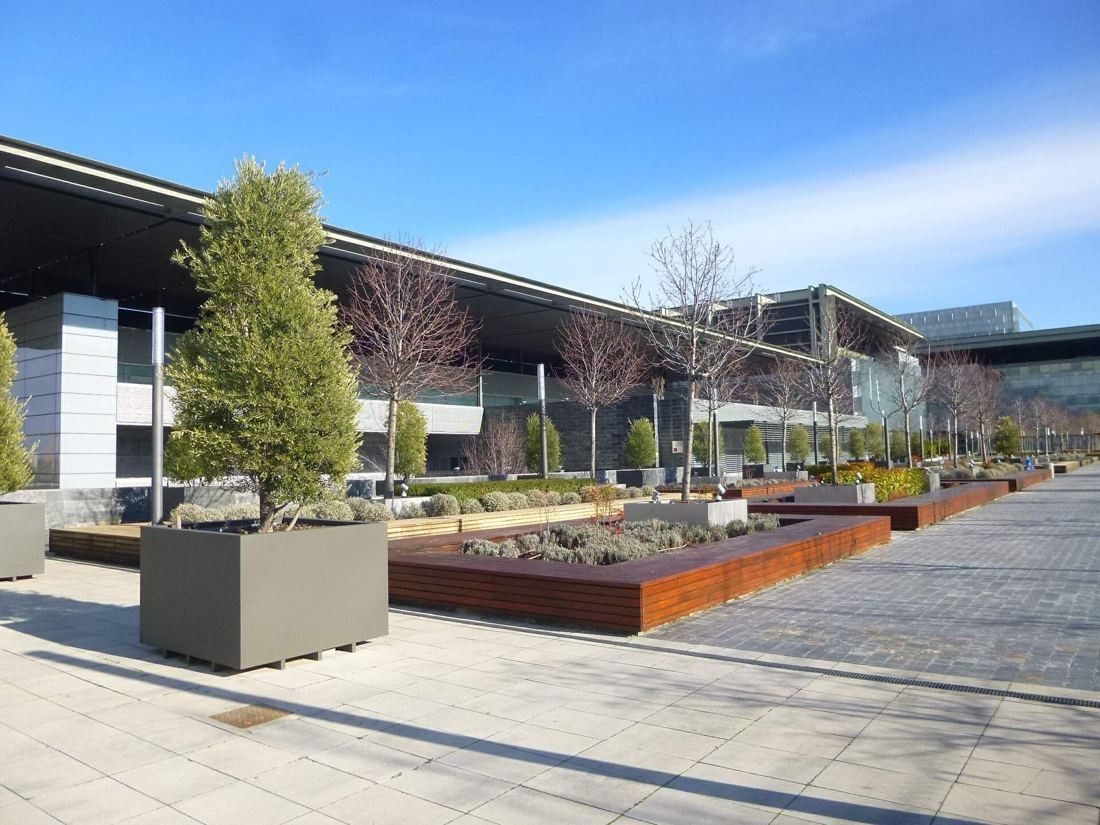
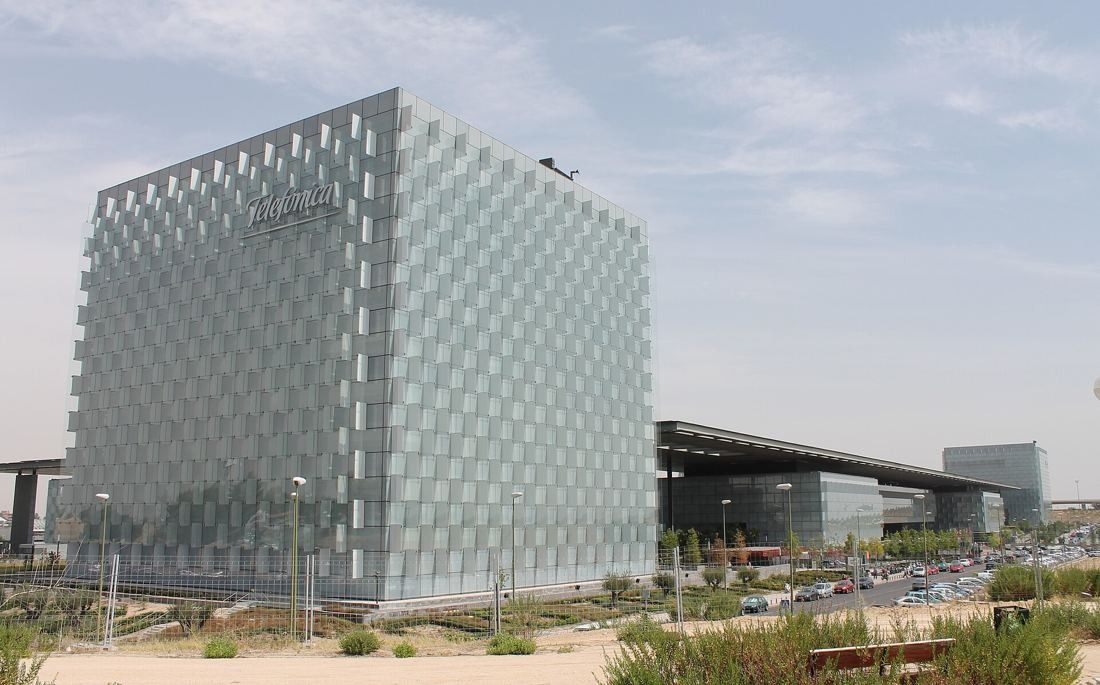
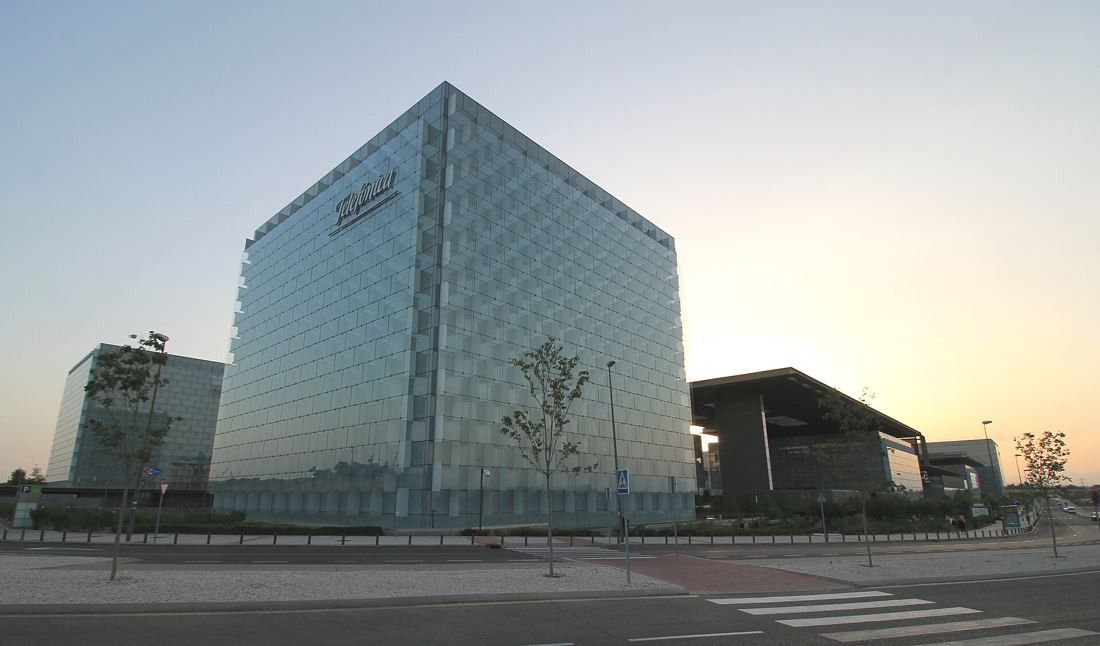
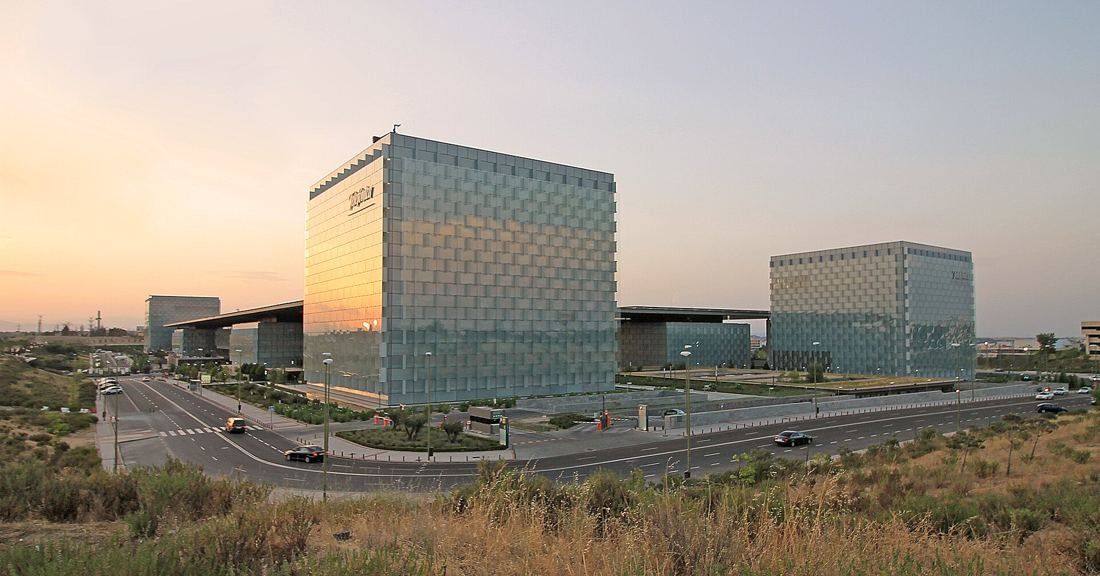
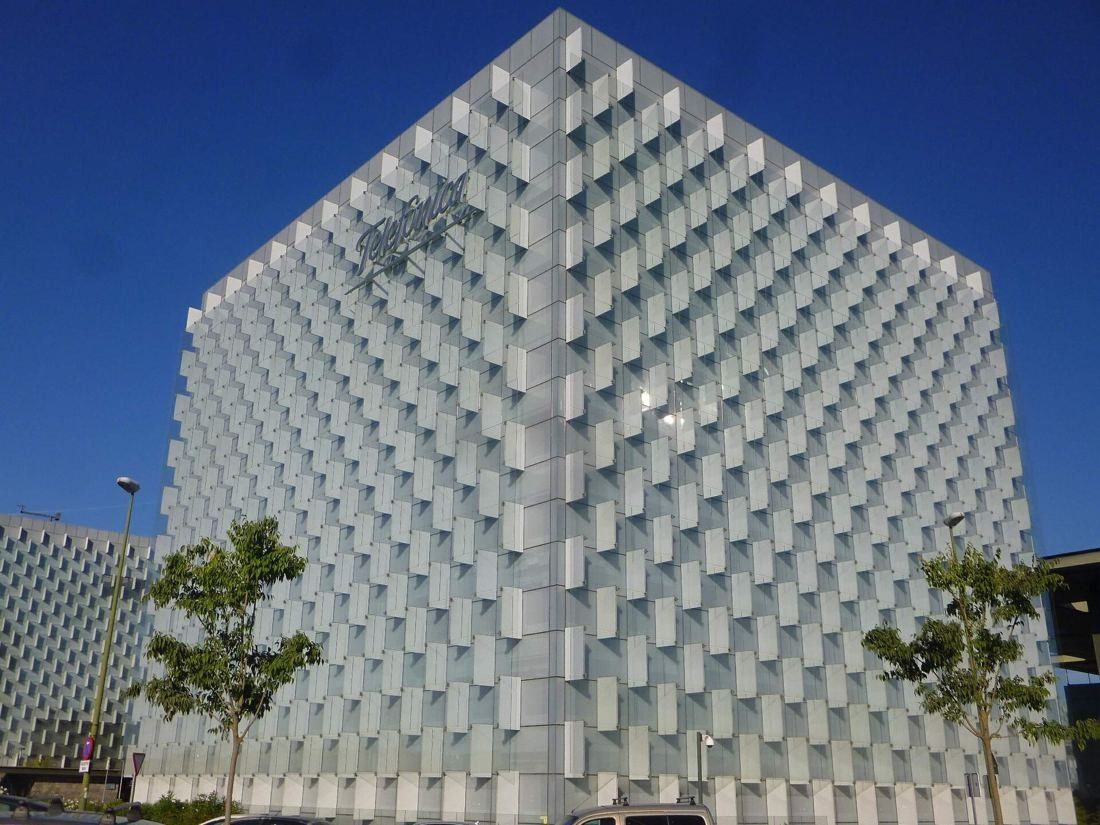
Rafael de La-Hoz designed one campus to bring 14,000 employees together. Four identical groups of three buildings stand at the corners like watchtowers; the management buildings, restaurants, clinic and gyms sit in the middle. One type of glass, made for the project, and a large solar roof tie it together. Inside, the company describes open, light-filled, paperless work floors, and a central lake framed by four garden squares, each planted differently for its sun and shade.
- 390,000 m² (≈ 4.2M sq ft)
- Design: Rafael de La-Hoz
- Gardens: James Braybrook
- 16,000 solar panels
- 9,500 m² of water
- Built 2004–2008
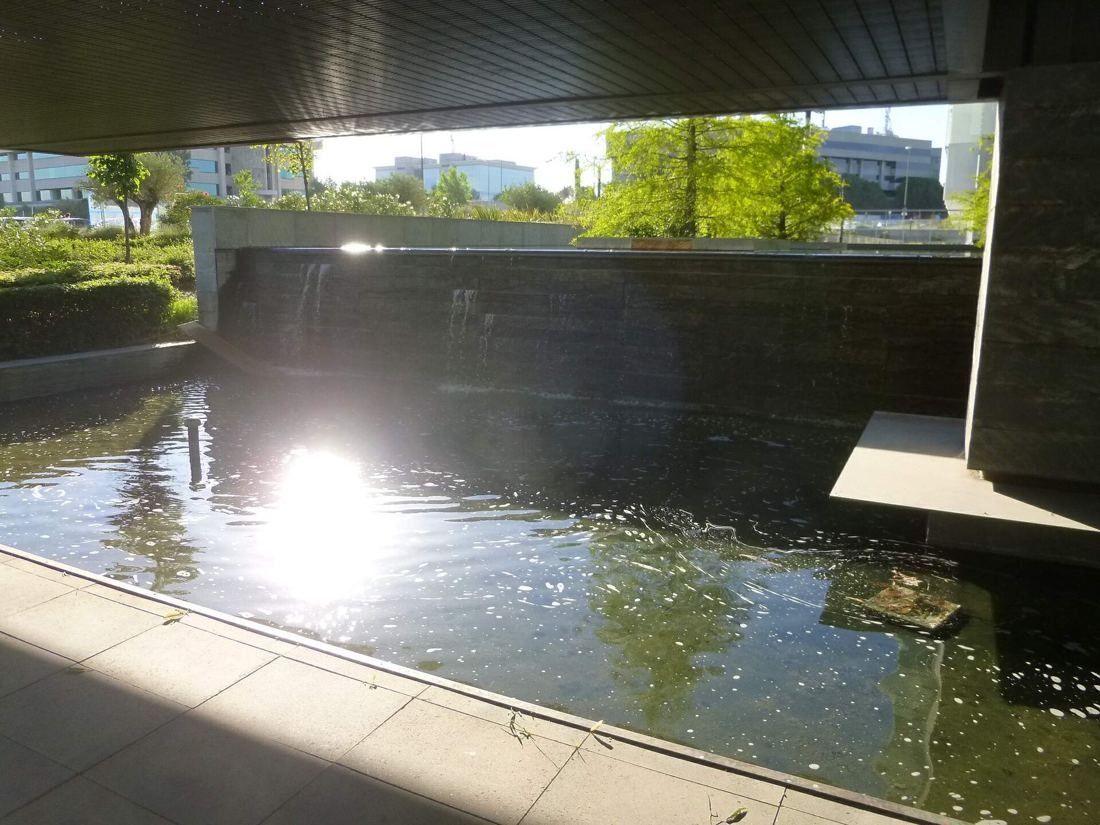
The lake and the Parque de las Comunicaciones
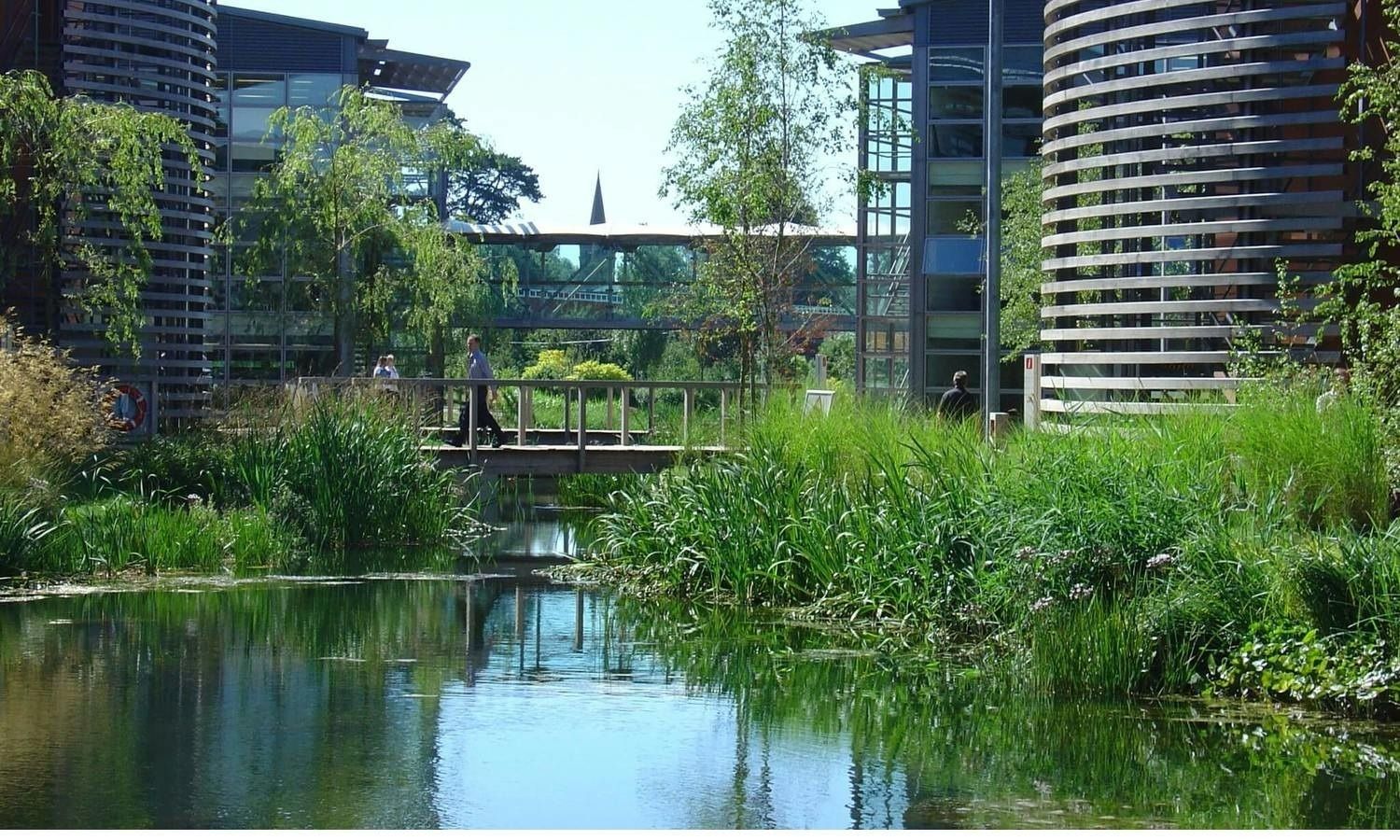
A central lake frames the campus, with 9,500 m² of water among 60,900 m² of green areas.
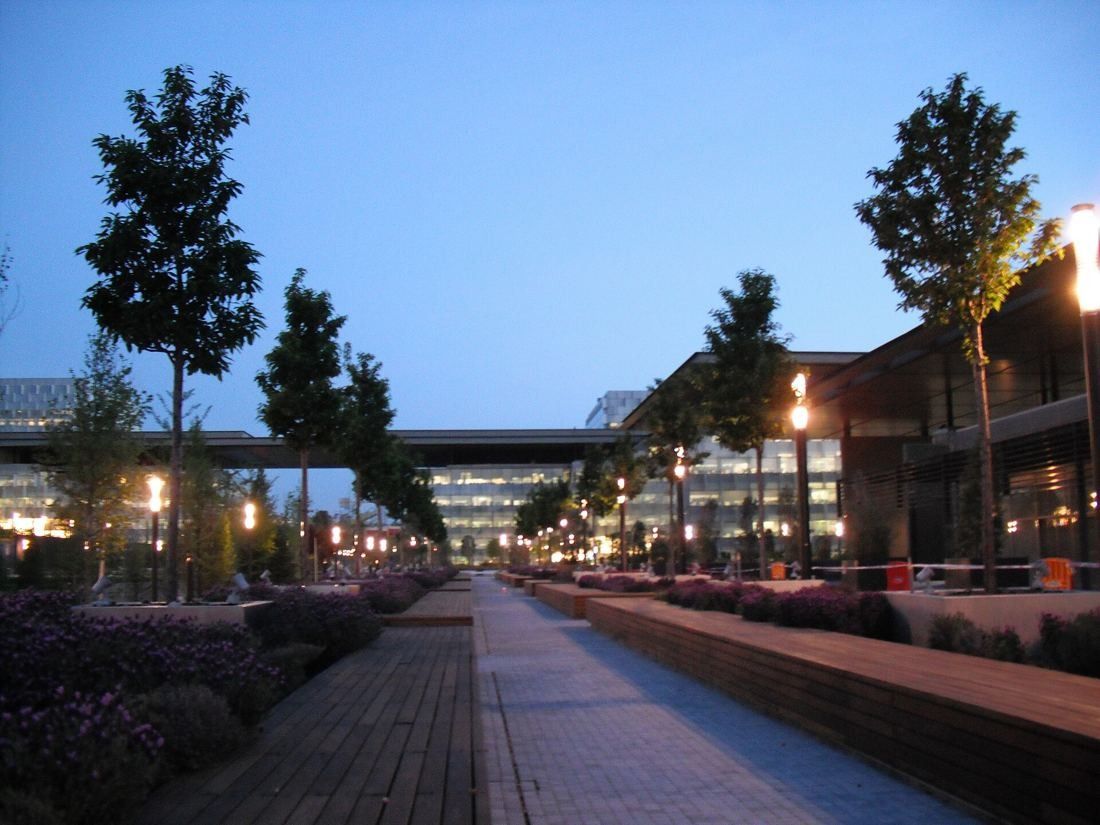
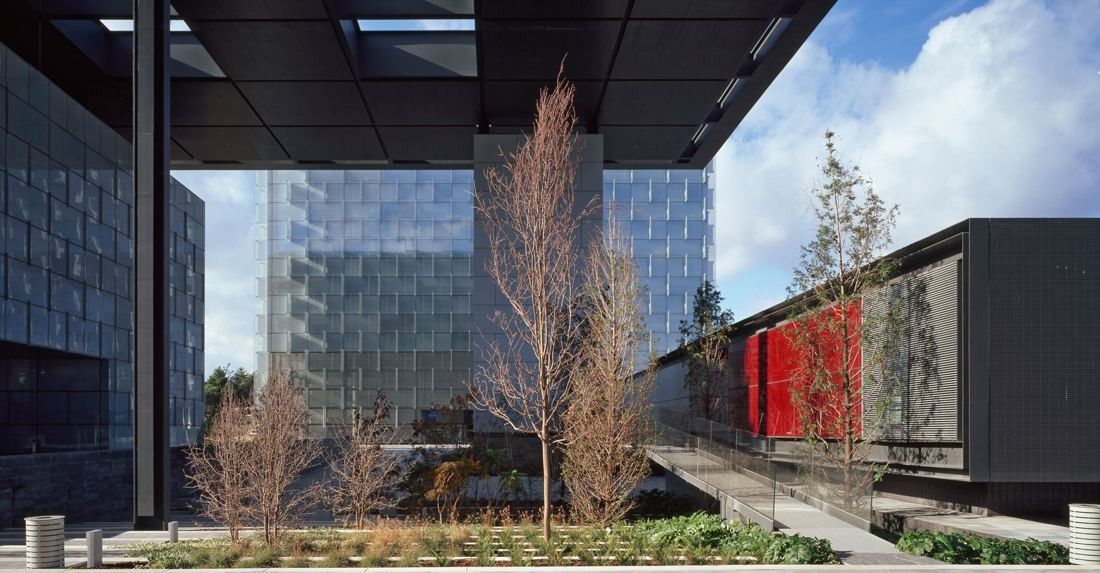
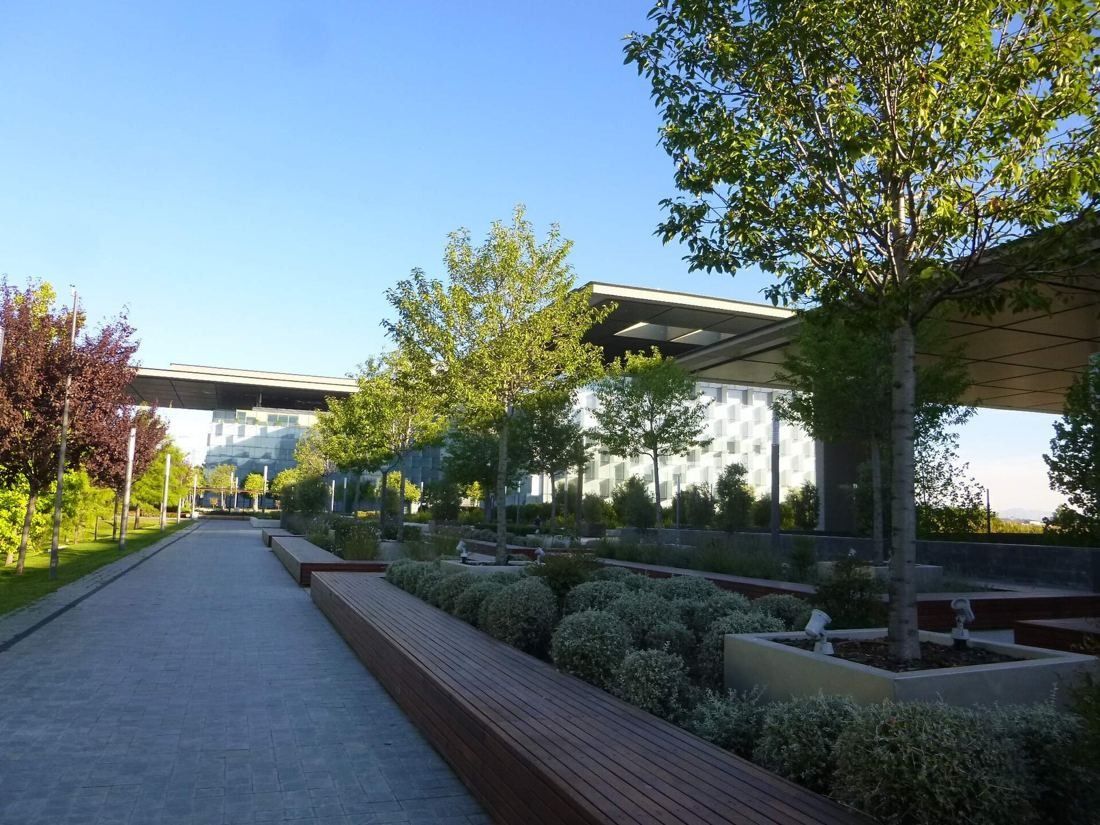
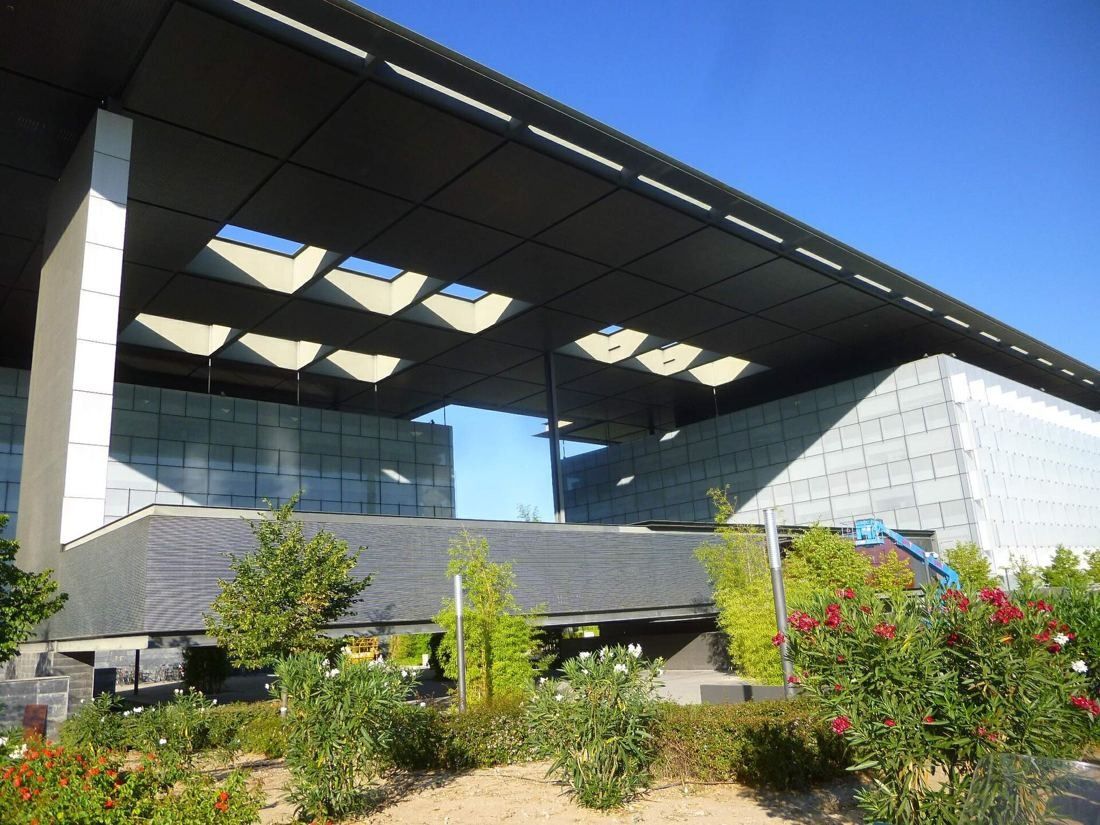
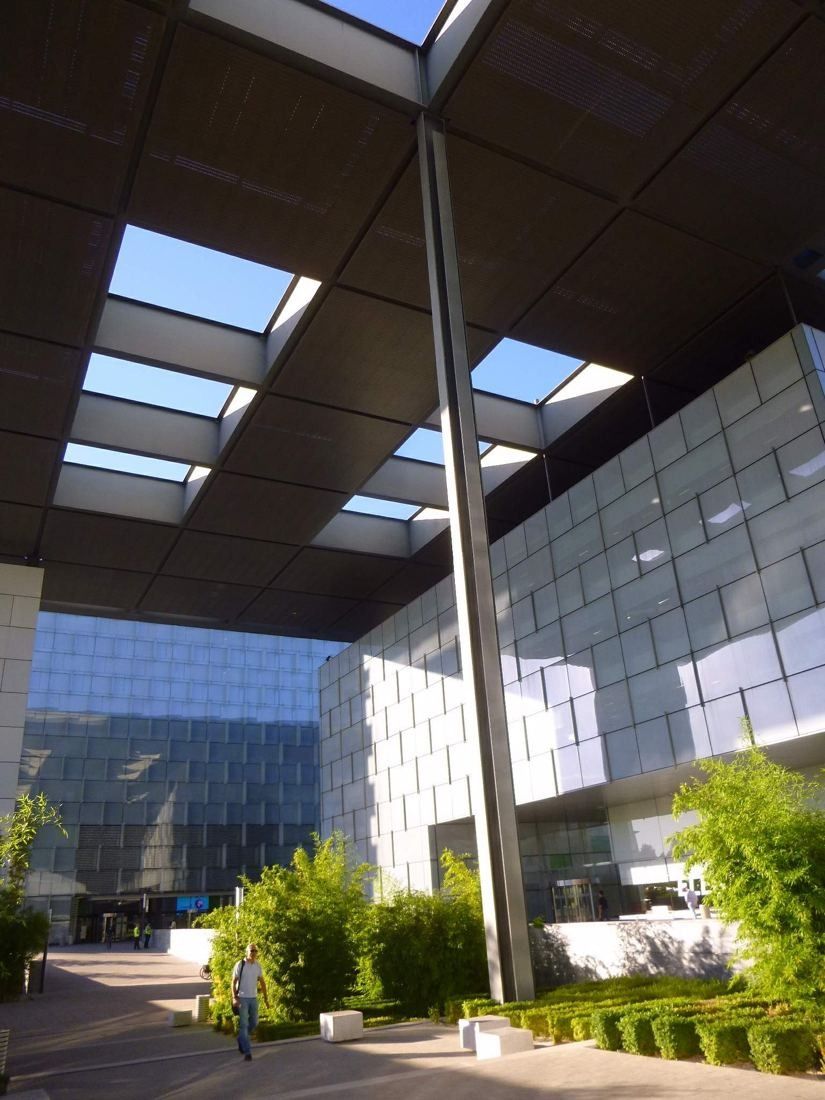
Four garden squares and the solar roof
Gardens by James Braybrook fill four squares, each planted differently for its sun and shade, under a large solar roof with 16,000 panels.
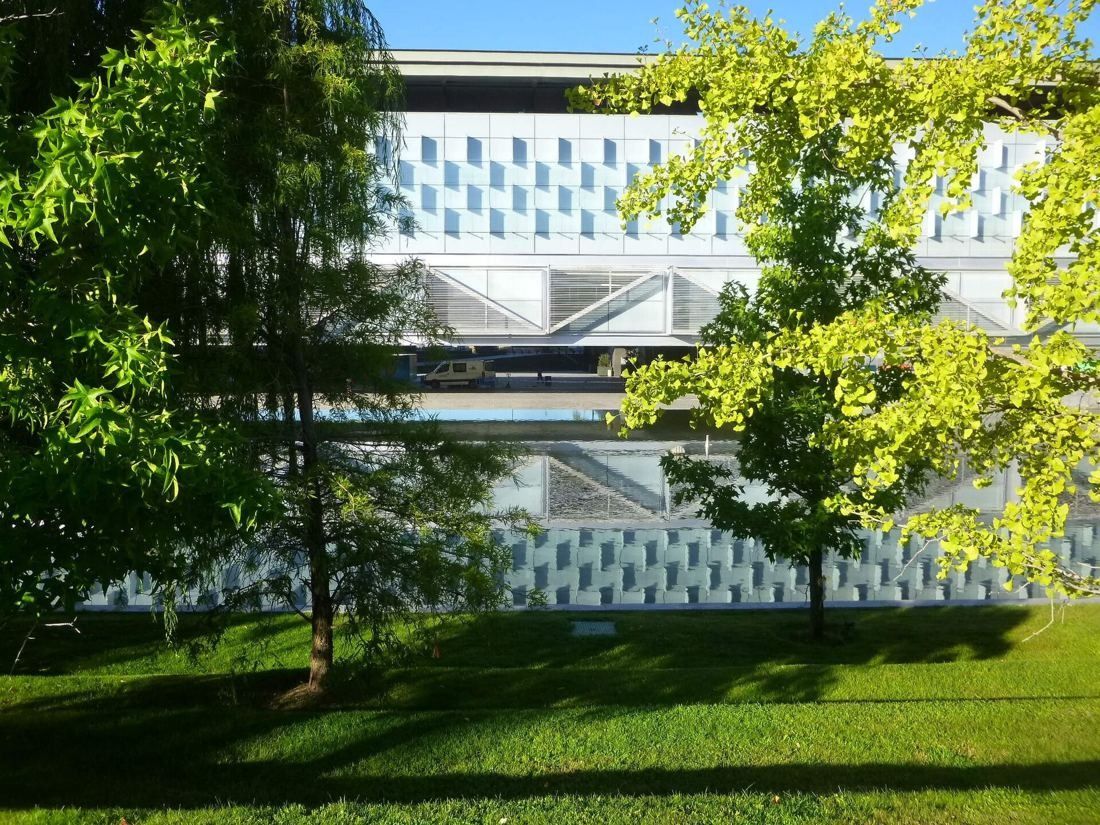
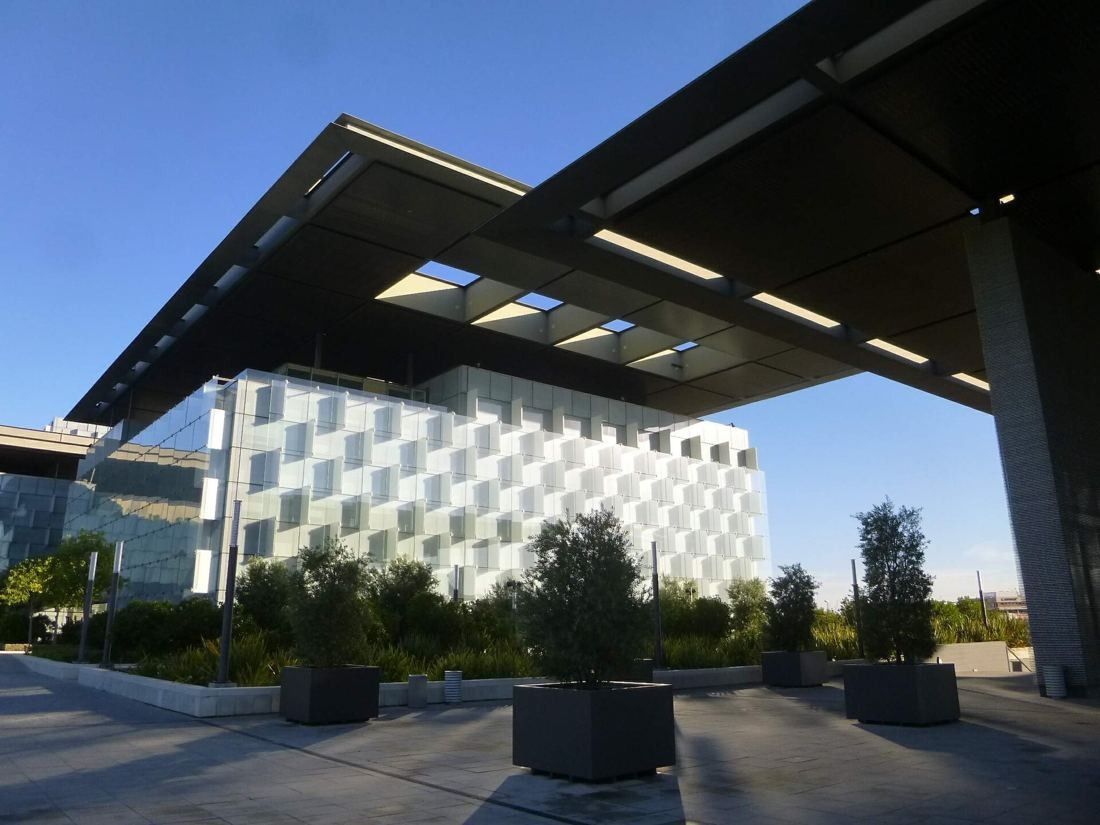
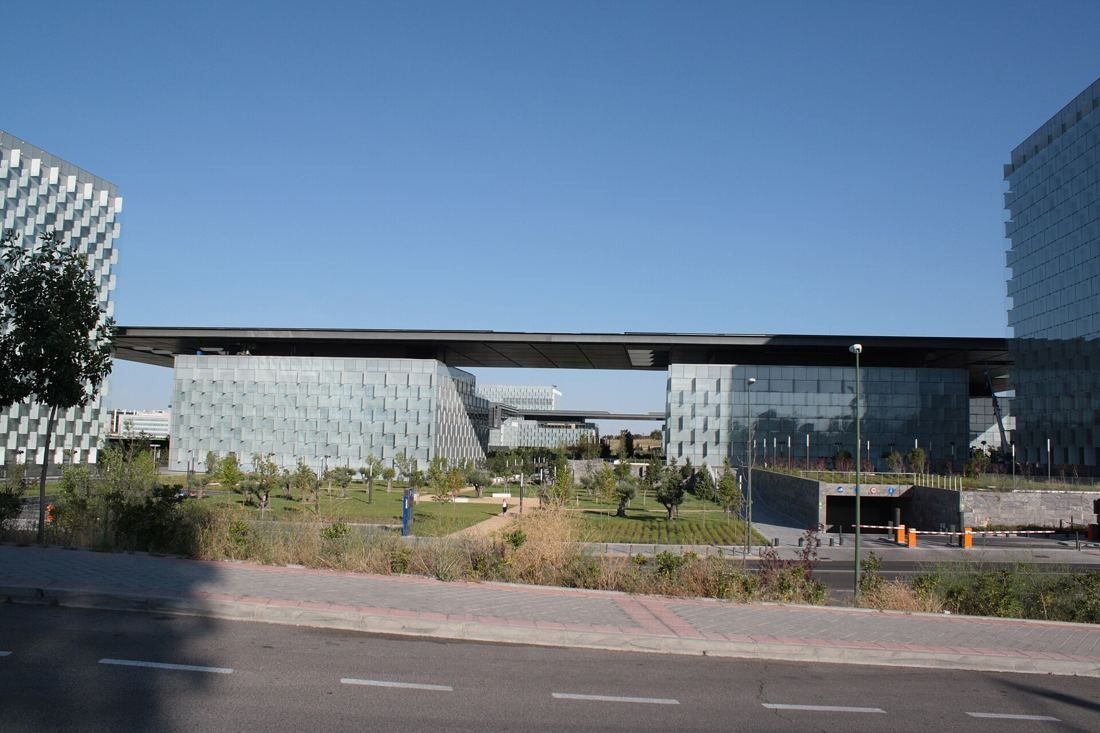
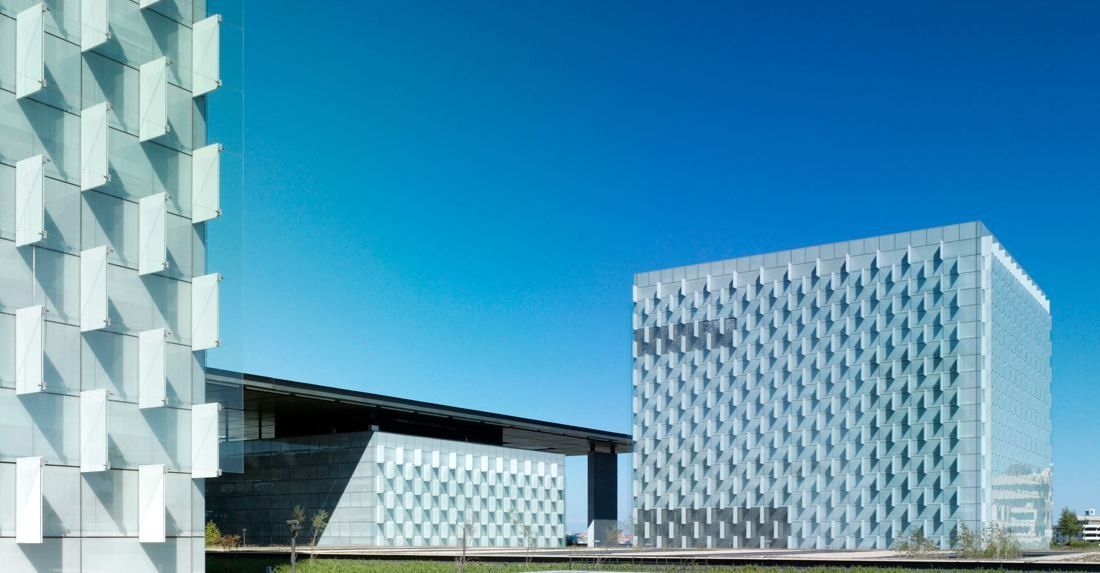
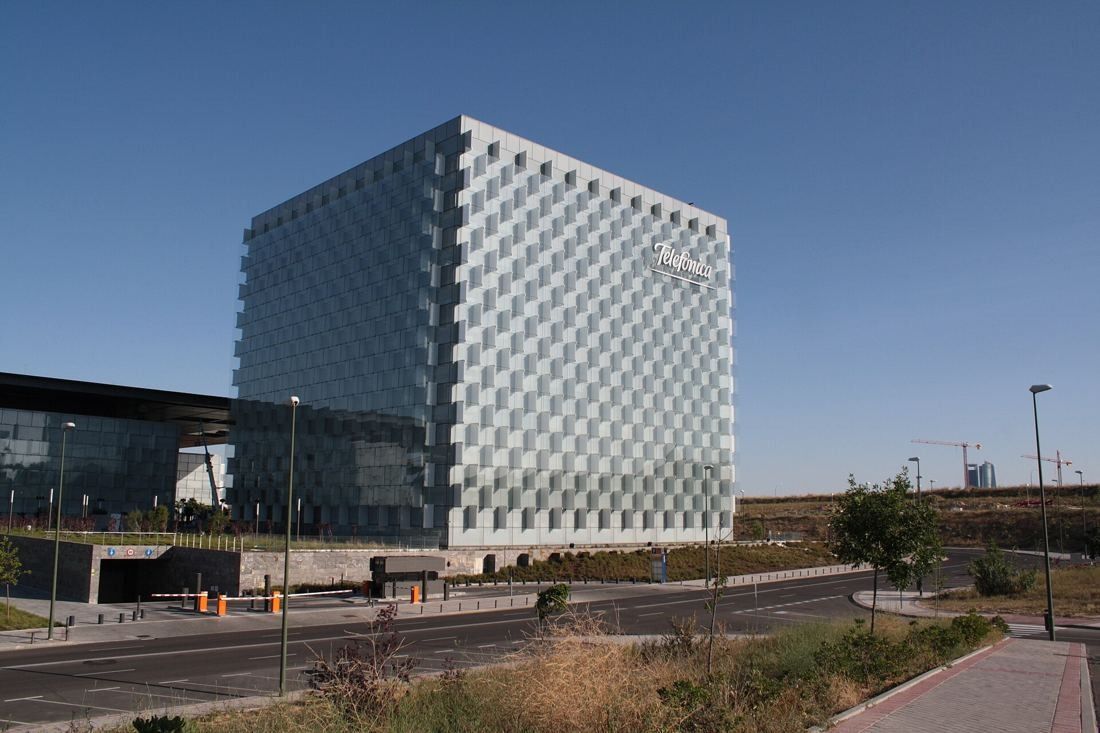
Glass towers at the corners
Rafael de La-Hoz placed four identical groups of three buildings at the corners like watchtowers, all clad in one type of glass made for the project.
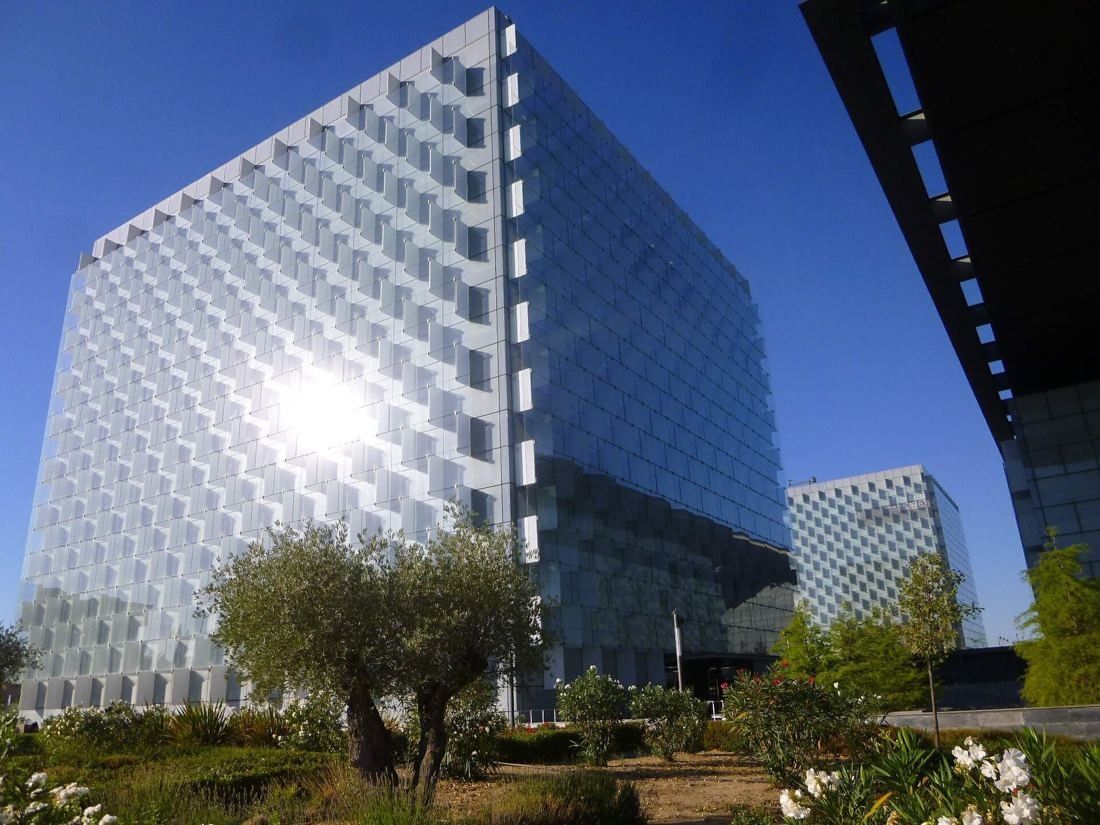
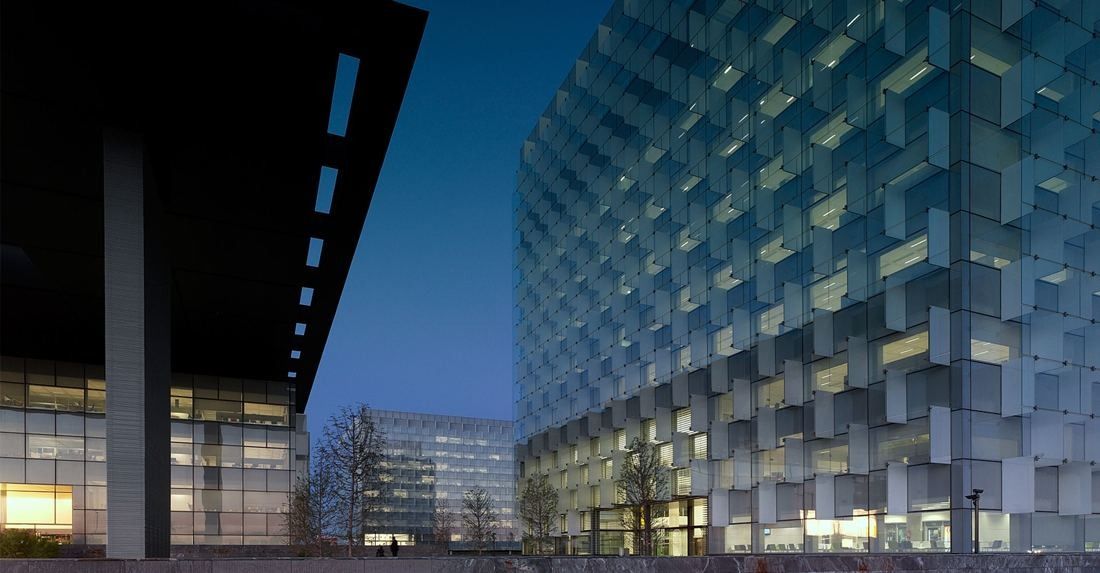

Facts: Rafael de La-Hoz project page “Distrito C. Sede Central Telefónica” · telefonica.com blog posts “Biodiversity in the Telefónica District” and “The privilege of being a ‘telefónica’ and working in Distrito” (Feb 2024)
Distrito Telefónica, Las Tablas
| Building | Address |
|---|---|
| Distrito Telefónica (headquarters) | Ronda de la Comunicación, s/n, 28050 Madrid, Spain |
| Gran Vía 28 (former HQ; sold in 2026) | Gran Vía, 28, 28013 Madrid, Spain |
Source: Form 20-F FY2024 (principal executive offices; registered office at Gran Vía 28) · telefonica.com press release, Sep 3, 2026 · See them on the map ↓
Source: Rafael de La-Hoz project page · telefonica.com blog “Biodiversity in the Telefónica District” (Feb 9, 2024). Metro: Ronda de la Comunicación, line 10.
Benefits (Spain)
Universal for everyone whose work can be done remotely, under the telework agreement at Telefónica España.
Remote work is possible from a second residence, as long as health-and-safety rules are met.
Equipment for teleworking is provided and connectivity costs are compensated.
Some groups, by role, work without having to come to the office on a recurring, structured basis.
Work Monday to Thursday; the company covers 20% of the fixed-pay reduction for the time not worked.
A Global Employee Incentive Share Purchase Plan approved in 2022 delivered Telefónica shares to participants in 2024.
Restaurants, cafeterias, medical centres, nurseries, banks, pharmacies and travel agencies at Distrito Telefónica.
Source: jobs.telefonica.com, Telefónica España “Nuestra Empresa” · Form 20-F FY2024 (share plan) · telefonica.com blog, Feb 20, 2024 (on-campus services)
Why people stay: what Telefónica itself describes
The Universitas campus opened in 2022 on the fourth floor of North Building 3, with four training rooms, a recording room and a cafeteria.
Universitas offers its full learning catalogue to every Telefónica employee, without any limitation.
Telefónica says it encourages internal mobility so people can grow by taking on new challenges.
A hybrid model that combines remote work with collaborative spaces in the offices.
One of the first three companies certified by the University-Business Foundation for training young talent.
At the end of 2024, 487 of them in Spain.
Source: telefonica.com press release (Universitas campus, Mar 31, 2022) · telefonica.com/en/employment · Form 20-F FY2024, Note 26
Who works here
employees at the end of 2024
of the workforce are women
employees with disabilities
people the HQ campus was planned for
Source: Form 20-F FY2024, Note 26 (headcount by segment, women, disabilities) · Rafael de La-Hoz project page (14,000)
Office history: from Europe's first skyscraper to a garden campus
- 1924 Founded in Madrid
Compañía Telefónica Nacional de España (CTNE) was founded with a capital of one million pesetas. By 1927 almost 3,000 employees ran 1,505 exchanges.
Source: telefonica.com blog “1920s: Telefónica is born”
No free-to-use photo found yet.Have one? We’d love to add it. - 1929 Gran Vía 28 — Europe's first skyscraper
Built from 1926 to 1929 to a design by Ignacio de Cárdenas with the American Louis S. Weeks: 89 metres, 13 floors and about 32,000 m² on a metal frame, then unprecedented in Spain. It housed Madrid's first automatic exchange and opened in July 1929; it was CTNE's headquarters from late 1929.
Source: telefonica.com press releases (Dec 10, 2019; Sep 3, 2026) · blog “1920s: Telefónica is born”
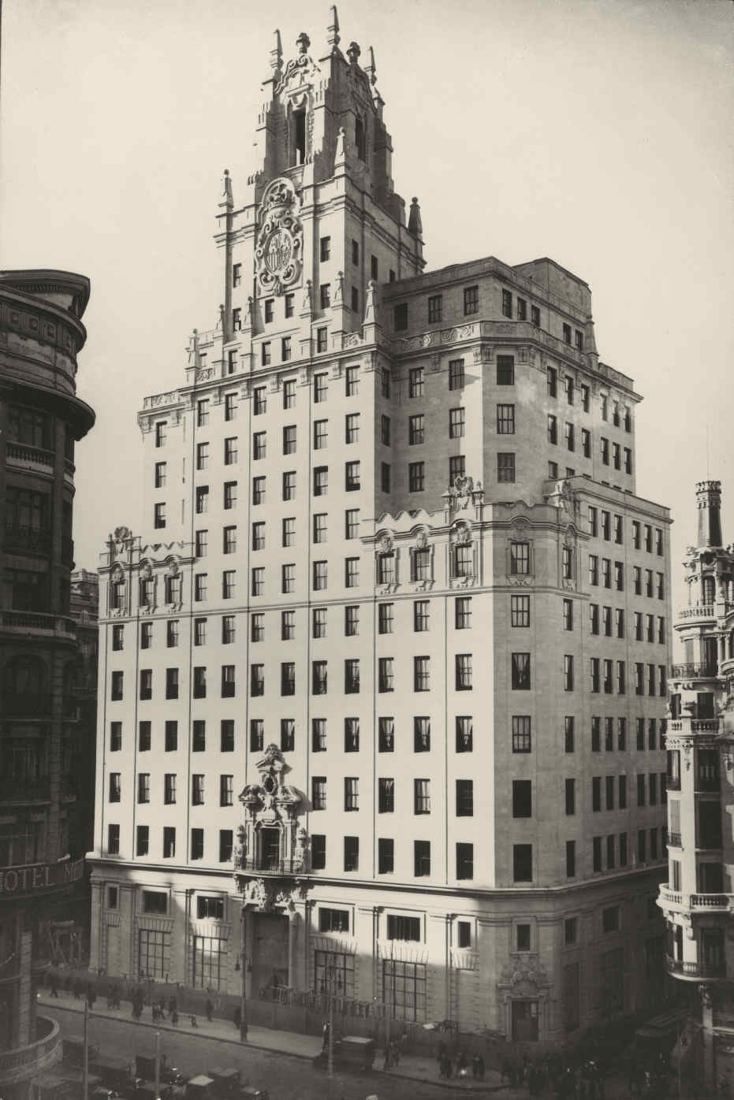
Gran Vía 28, 1929 · © Fundación Telefónica Archive - 2005 The first teams move north to Las Tablas
Distrito Telefónica was built between 2004 and 2008. Employees began arriving in 2005, leaving the centre of Madrid where most of Telefónica's buildings had been.
Source: telefonica.com blog posts (Feb 9 and Feb 20, 2024)
No free-to-use photo found yet.Have one? We’d love to add it. - 2008 Distrito Telefónica becomes the headquarters
The company moved its headquarters to Distrito Telefónica, Rafael de La-Hoz's 390,000 m² campus at Ronda de la Comunicación, planned to bring 14,000 employees together.
Source: telefonica.com press release, Sep 3, 2026 · Rafael de La-Hoz project page
No free-to-use photo found yet.Have one? We’d love to add it. - 2012 Gran Vía 28 opens to the public
Espacio Fundación Telefónica opened in the old headquarters, next to the Espacio Movistar flagship store.
Source: telefonica.com press release, Sep 3, 2026
No free-to-use photo found yet.Have one? We’d love to add it. - 2022 An Innovation and Talent Hub on campus
After launching the Innovation and Talent Hub at Distrito in October 2021, Telefónica opened the 2,000 m² Universitas campus for its corporate university in North Building 3.
Source: telefonica.com press release, Mar 31, 2022
No free-to-use photo found yet.Have one? We’d love to add it. - 2024 A centenary sculpture
For its 100th year the campus received Jaume Plensa's ‘Iris’, a six-metre, four-tonne face made of letters from eight alphabets. A 1983 Eduardo Chillida sculpture already stood in the gardens.
Source: telefonica.com blog “Arte y naturaleza en Distrito Telefónica”
No free-to-use photo found yet.Have one? We’d love to add it. - 2026 Gran Vía 28 is sold
Telefónica completed the sale of the Gran Vía building to General de Galerías Comerciales in September 2026. Espacio Fundación Telefónica and Espacio Movistar stay open there.
Source: telefonica.com press release, Sep 3, 2026
No free-to-use photo found yet.Have one? We’d love to add it.
Map: how the headquarters moved
For almost 80 years Telefónica was run from its skyscraper on Gran Vía in central Madrid. In 2008 it moved about 11 km north to Distrito Telefónica in Las Tablas.
- 1 · 1929Gran Vía 28 — Europe's first skyscraper, headquarters from late 1929 to 2008
- 2 · 2008Distrito Telefónica — Ronda de la Comunicación, Las Tablas — today's headquarters
Addresses: Form 20-F FY2024 · telefonica.com press release, Sep 3, 2026
What Telefónica does
Telefónica began in 1924 as Spain's national telephone company. Today it sells mobile, fixed broadband and TV under brands such as Movistar, O2 and Vivo, and in 2025 served more than 326 million accesses.
Reporting segments: Telefónica Spain, Telefónica Germany, Telefónica Brazil and Telefónica Hispam; in the UK, VMO2 is a 50:50 joint venture with Liberty Global.
Where the money came from · Revenue by segment, 2024
Source: Form 20-F FY2024, operating results by segment
Source: Telefónica Q4 2025 results press release (Feb 24, 2026) · Form 20-F FY2024
Growth: revenue vs. people
€52.0B → €41.3B
127,323 → 100,870
Revenue 2016–2024 and year-end employees: SEC XBRL data from Telefónica's Form 20-F filings (latest restated figures). 2025 revenue: Q4 2025 results press release (continuing operations, after Hispam divestments; not comparable with earlier years). 2025 headcount is published only in PDF reports. Multiples calculated by eciffo.
Chief executives
Chairman & CEO of Telefónica S.A. since January 2025; previously Chairman of Indra (2021–2025).
Chairman of Telefónica, as named in the company's 2019 and 2022 press releases about Gran Vía 28 and the Universitas campus.
The company's first president.
Founded in 1924 as Compañía Telefónica Nacional de España; first president Estanislao de Urquijo y Ussía. Emilio Gayo is Chief Operating Officer.
Source: telefonica.com executive team (Marc Murtra, Emilio Gayo) · blog “1920s: Telefónica is born” · press releases 2019 and 2022
Telefónica: questions people ask
Where is Telefónica's headquarters?
At Distrito Telefónica, Ronda de la Comunicación s/n, 28050 Madrid, in the Las Tablas district in the north of the city. The nearest metro stop is Ronda de la Comunicación on line 10.
Source: Form 20-F FY2024 · telefonica.com blog (Feb 9, 2024)
Who designed Distrito Telefónica?
The architect Rafael de La-Hoz. The gardens were designed by James Braybrook.
Source: Rafael de La-Hoz project page · telefonica.com blog (Feb 9, 2024)
How big is Telefónica's headquarters?
The architect gives a built area of 390,000 m² (about 4.2 million sq ft). The site covers 168,500 m² of land, with 60,900 m² of green areas and 9,500 m² of water.
Source: Rafael de La-Hoz project page · telefonica.com blog (Feb 9, 2024)
Can you visit Distrito Telefónica?
Telefónica says the complex is accessible to anyone who wants to visit it. The former headquarters at Gran Vía 28 houses Espacio Fundación Telefónica, which runs exhibitions and events.
Source: telefonica.com blog (Feb 9, 2024) · press release, Sep 3, 2026
When did Telefónica move out of the Gran Vía building?
Gran Vía 28 was the headquarters from late 1929. Teams began moving to Distrito Telefónica in 2005 and the headquarters moved there in 2008. Telefónica sold the Gran Vía building in September 2026.
Source: telefonica.com press release, Sep 3, 2026 · blog (Feb 20, 2024)
Does Telefónica allow remote work?
Telefónica describes a hybrid model. At Telefónica España, everyone whose work can be done remotely can telework 2 days a week, also from a second home, and some roles work under ‘Smart Work’ without fixed office days.
Source: telefonica.com/en/employment · jobs.telefonica.com (Telefónica España)
What benefits does Telefónica offer in Spain?
Two telework days a week with equipment and connectivity costs covered, a pilot four-day week in which the company pays 20% of the pay reduction, a group-wide employee share purchase plan, and on-campus restaurants, medical centres and nurseries.
Source: jobs.telefonica.com · Form 20-F FY2024 · telefonica.com blog
How many people work at Telefónica?
100,870 at the end of 2024, of whom 35,818 were at Telefónica Brazil and 18,305 at Telefónica Spain. About 40% were women.
Source: Form 20-F FY2024, Note 26
Who is Telefónica's CEO?
Marc Murtra, Chairman & CEO since January 2025. Emilio Gayo is Chief Operating Officer.
Source: telefonica.com executive team
You have seen the office, the benefits and the pay
Want to work at Telefónica?
See open jobs on Telefónica's careers site ↗Or keep exploring: compare these benefits and offices with other companies below.
Telefónica in our features
- Telecom · 14 companies14 Telecom Company Headquarters
- History · 275 companiesThen and Now: 275 Companies’ Early Offices Next to Today’s Headquarters
- Europe · 92 companies92 European Company Headquarters, From Munich to Stockholm
- Benefits · 319 companiesPerks at 319 Big Companies: What They Offer to Keep People
- Architecture · 216 companies216 Company Headquarters Designed by Famous Architects
You may also like
Other European telecom operators
Telecoms around the world
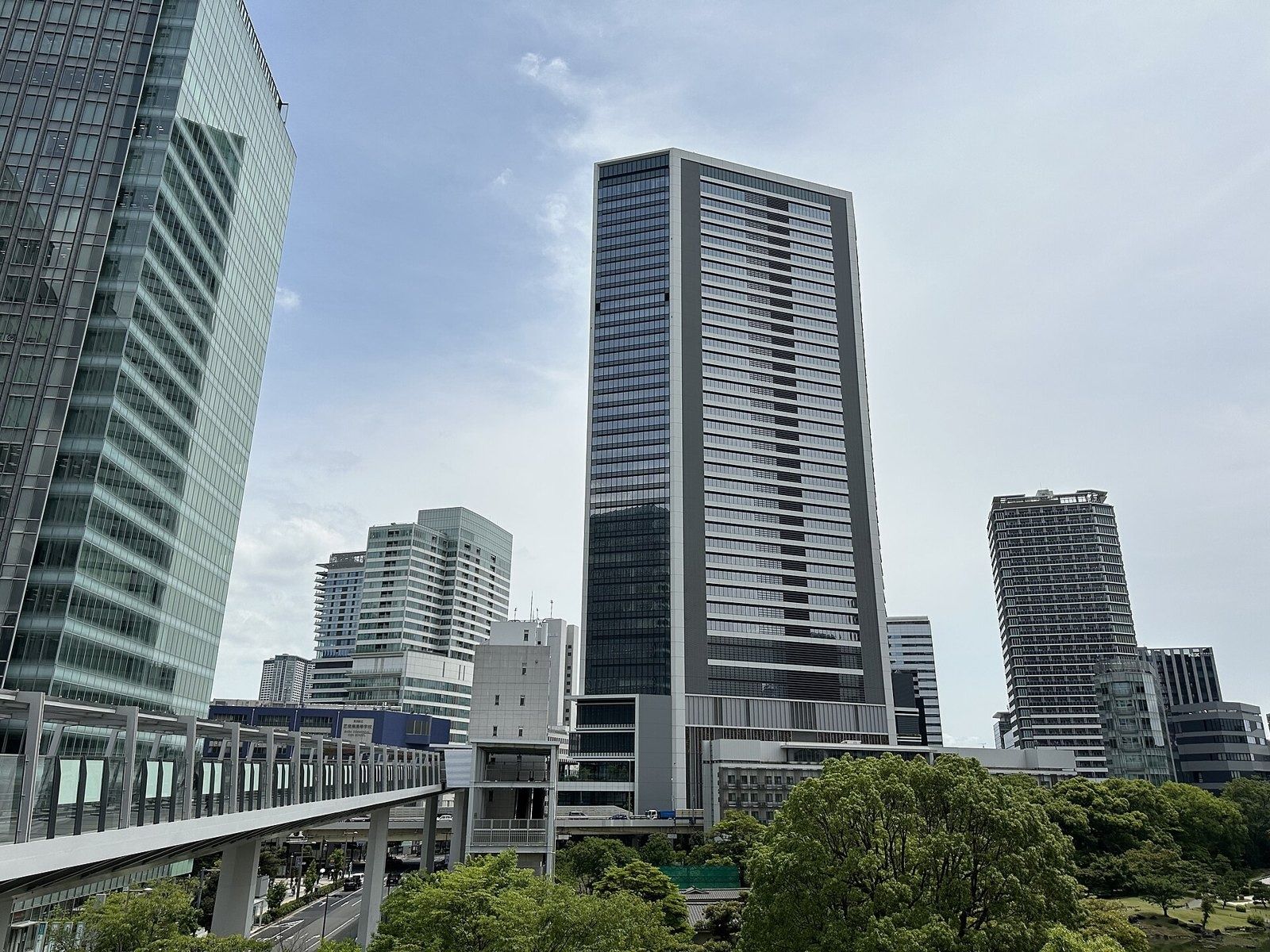
Big headquarters campuses in Europe
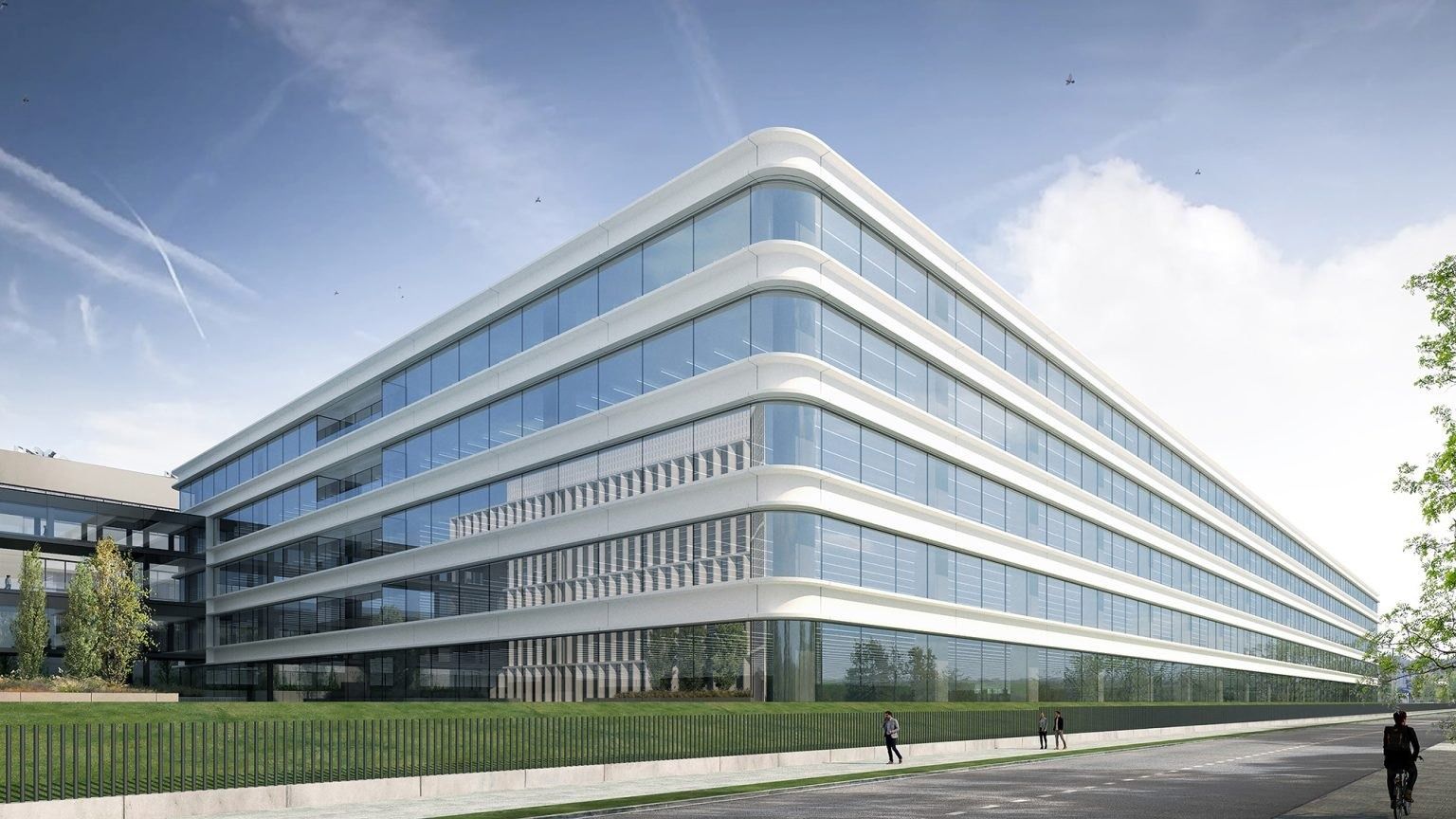
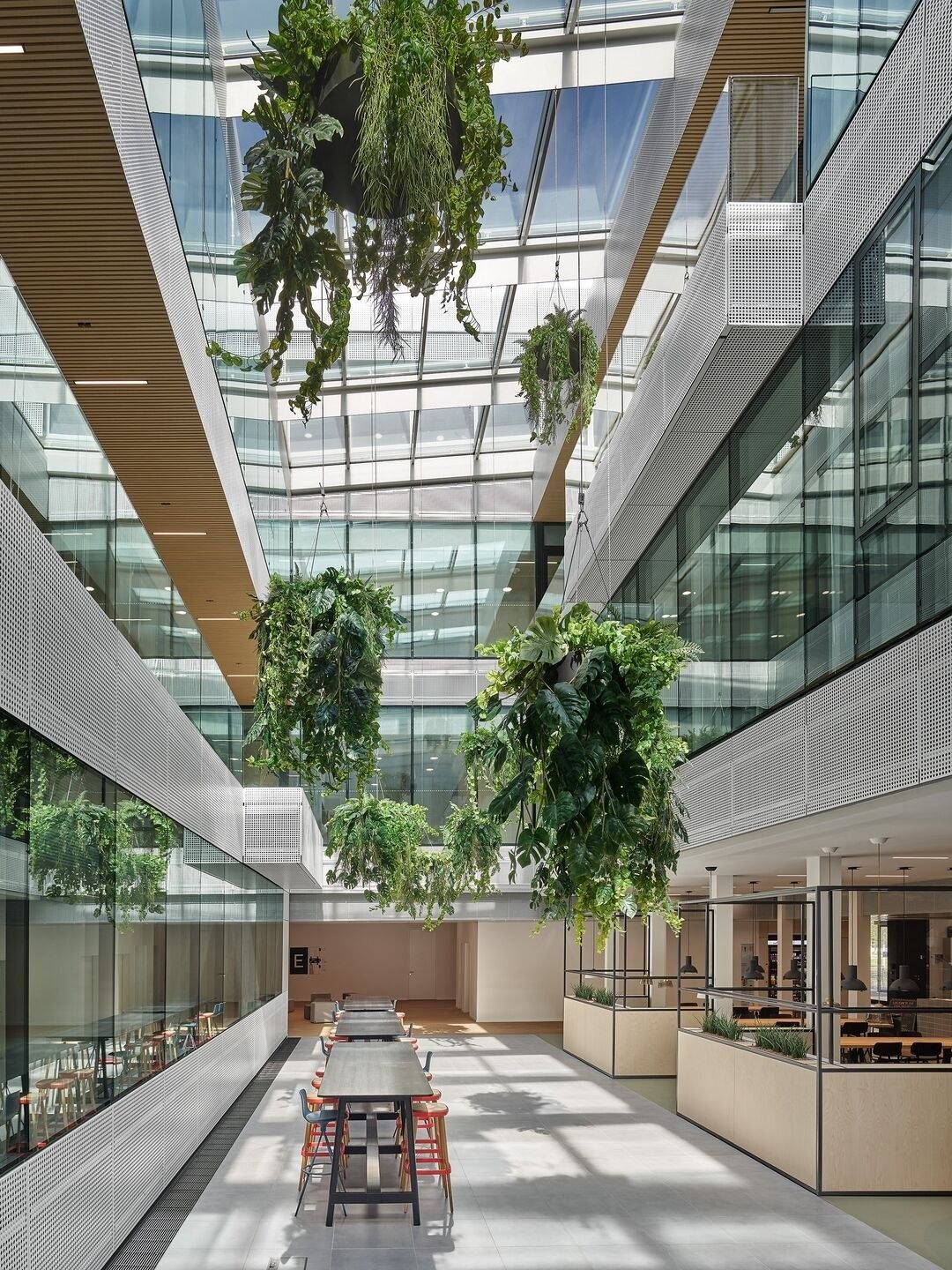
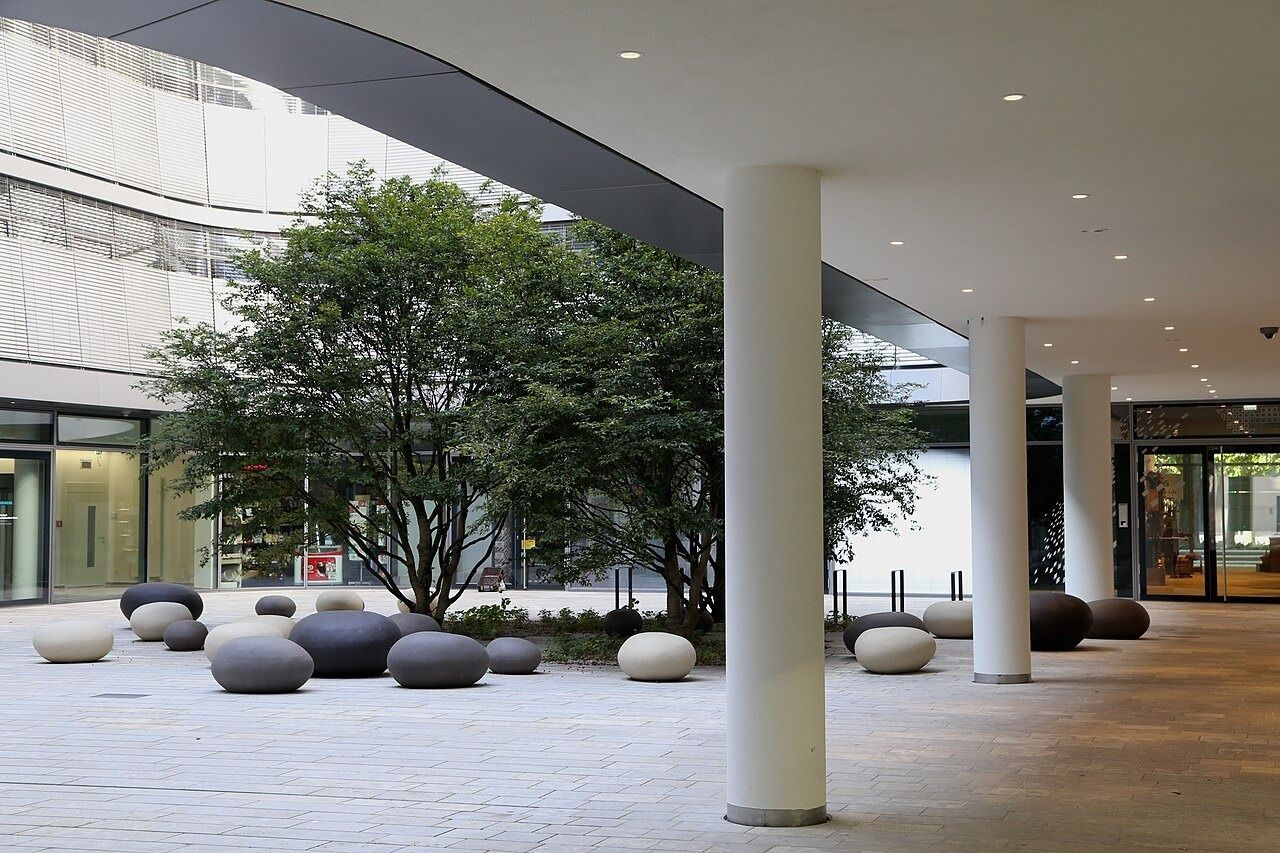
More company profiles
 3MMaplewood, MinnesotaOffices, pay & benefits →
  ABN AMROAmsterdam, NetherlandsOffices, pay & benefits →
  AccentureDublin, IrelandOffices, pay & benefits →
  adidasHerzogenaurach, GermanyOffices, pay & benefits →
  AdobeSan Jose, CaliforniaOffices, pay & benefits →
  AdyenAmsterdam, NetherlandsOffices, pay & benefits →
 Photos are credited to their source. If you hold the rights or represent Telefónica and want a photo changed or removed, contact us. Updated 2026-10-10.
Telefónica's official social accounts
Accounts linked from the footer of telefonica.com.